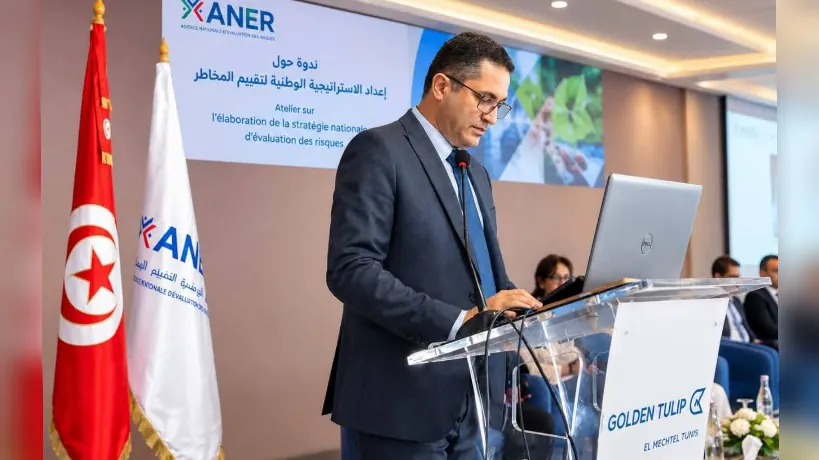
On October 7, 2026, Tunisia's Ministry of Health and the National Risk Assessment Agency presented a new guide aimed at enhancing indoor air quality in institutions that cater to children. This initiative was unveiled during a national meeting. The guide provides simple and cost-effective measures for nurseries, kindergartens, and schools to protect children's health and improve learning conditions.
The guide outlines several key steps for institutions to follow, including regular ventilation of spaces and monitoring of humidity levels. It also recommends selecting cleaning materials and furniture that produce less air pollution, banning smoking within the premises, and designating a person to oversee air quality. Furthermore, the guide suggests training staff to monitor risks and take necessary precautions.
According to the Ministry of Health, the guide is part of a broader effort to safeguard children's health, starting with the air they breathe at school, nursery, and home. The ministry emphasized the importance of clean air for children's well-being and development. By implementing these measures, institutions can significantly reduce the risks associated with poor indoor air quality.
The Ministry of Health and the National Risk Assessment Agency plan to prepare the necessary legal texts and specifications to apply the guide's recommendations. They also intend to strengthen monitoring and awareness-raising efforts to ensure the guide's effective implementation. This initiative is expected to have a positive impact on the health and well-being of children in Tunisia.
The guide is a collaborative effort between the Ministry of Health and the National Risk Assessment Agency, demonstrating the government's commitment to protecting children's health. By working together, these agencies aim to create healthier environments for children to learn and grow. The guide is a valuable resource for institutions, providing practical advice and solutions.
The launch of the guide is a significant step towards improving indoor air quality in children's institutions in Tunisia. The Ministry of Health and the National Risk Assessment Agency will continue to work together to promote the guide's implementation and monitor its effectiveness. This initiative has the potential to make a positive impact on the health and well-being of children across the country.
Key stakeholders, including institutions and parents, are expected to play a crucial role in implementing the guide's recommendations. By working together, they can help create healthier environments for children and promote a culture of clean air and well-being. The guide is an important tool for achieving this goal, and its success will depend on the collaboration and commitment of all parties involved.
Key points
- The guide provides simple and cost-effective measures for institutions to improve indoor air quality.
- The Ministry of Health and the National Risk Assessment Agency will prepare legal texts and specifications to apply the guide's recommendations.
- The initiative aims to protect children's health and improve learning conditions in institutions.