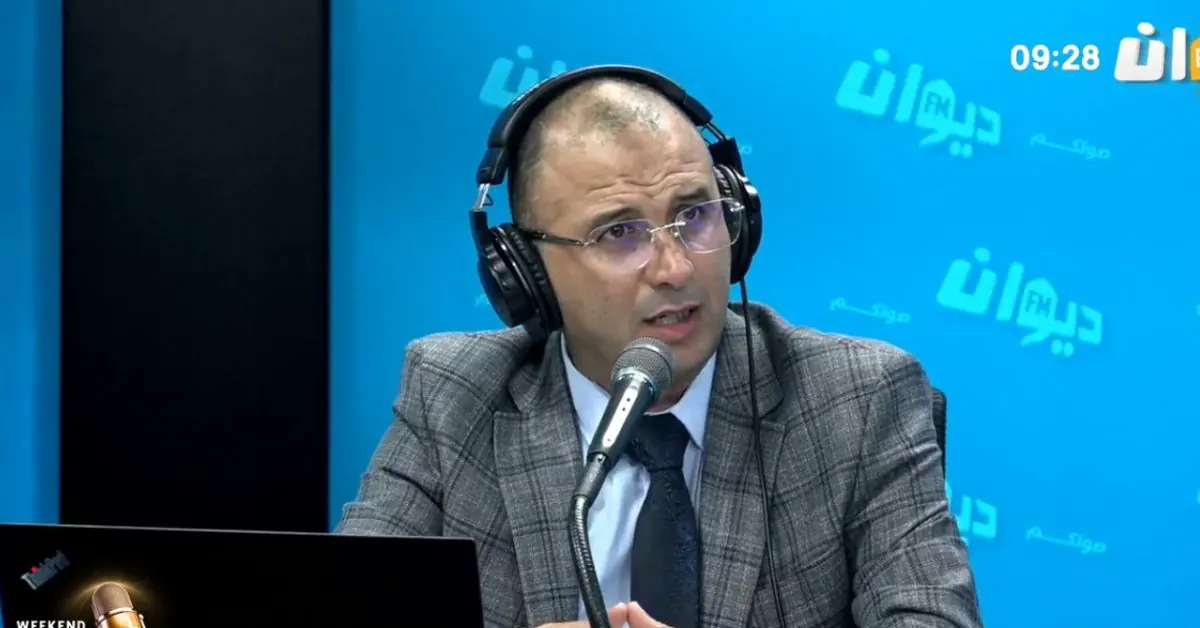
In a recent statement, Tunisian tax consultant Anis Ben Said announced that freelancers, including doctors, lawyers, engineers, and chartered accountants, are now required to issue electronic invoices to justify their fees. This move is part of new legal procedures aimed at increasing transparency and reducing tax evasion. According to Ben Said, approximately 380,000 service providers are now obligated to integrate into the electronic invoicing system.
The registration process for the electronic invoicing system began on September 15, 2026, through a digital platform. This development eliminates the previous complexities associated with paper-based submissions. Ben Said explained that the new system does not allow for modifications to electronic invoices once they have been signed and obtained a unique identifier and QR code. To correct any errors, a new invoice must be issued, along with a return invoice.
The signing of invoices will now be done through a digital identity mechanism on mobile phones, eliminating the need for professionals to invest in specialized software. This move is expected to simplify the invoicing process for freelancers. According to Ben Said, the introduction of electronic invoicing aims to promote transparency and reduce tax evasion, which has become a significant concern in Tunisia.
The Tunisian economy has been facing challenges related to tax evasion, with the Central Bank reporting that the volume of cash circulating outside official channels has exceeded 30 billion dinars. Ben Said attributed this, in part, to the impact of the check law, which has led to a shift towards cash transactions. He called on the authorities to review this law to address its unintended consequences.
The introduction of electronic invoicing is expected to improve the business environment in Tunisia by increasing transparency and accountability. The government aims to reduce the informal economy and increase tax revenues. By making electronic invoicing mandatory, the authorities hope to bring more businesses into the formal sector and reduce the risk of tax evasion.
According to Ben Said, the electronic invoicing system will help to reduce the administrative burden on freelancers and improve their working conditions. The system will also enable the authorities to monitor transactions more effectively and reduce the risk of errors or discrepancies. This move is part of a broader effort to modernize Tunisia's tax system and improve its business environment.
The implementation of electronic invoicing for freelancers is a significant step towards increasing transparency and reducing tax evasion in Tunisia. The government is expected to continue to monitor the effectiveness of this measure and make adjustments as needed. With the introduction of electronic invoicing, Tunisia is taking a major step towards improving its business environment and increasing its tax revenues.
Key points
- Electronic invoicing is now mandatory for approximately 380,000 Tunisian freelancers, including doctors, lawyers, and engineers.
- The new system aims to promote transparency and reduce tax evasion, which has become a significant concern in Tunisia.
- The volume of cash circulating outside official channels in Tunisia has exceeded 30 billion dinars, according to the Central Bank.