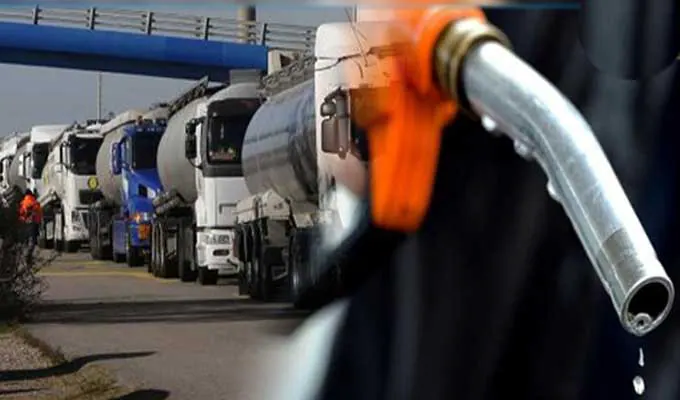
The Tunisian government has taken steps to address a looming strike in the fuel transport sector by increasing the profit margin for fuel distribution companies. According to Slim Sehimi, secretary general of the General Federation of Petroleum and Chemical Products, the ministries of finance and industry have provided the necessary funds to cover social contributions for fuel transporters. This move aims to guarantee social coverage for transporters and prevent a strike scheduled for September 23-24.
The agreement, signed on September 17, 2026, with oil companies, paves the way for the implementation of a May 2, 2019, accord that provides for specific bonuses and guarantees financial and social rights for fuel transporters. The 2019 agreement also activates mechanisms for adjusting profit margins and agreed-upon increases to enable companies to pay outstanding debts to transporters. Sehimi noted that the agreement may be subject to new negotiations on certain clauses between the two parties.
Despite the government's efforts to address their concerns, the federation remains committed to the planned strike, as no conciliation session has been held to date. Sehimi attributed the current situation to the Ministry of Social Affairs, which he claims has not convened a conciliation session between employers and the federation, as required by Article 378 of the Labor Code. The strike was initially announced on August 27, 2026.
The increased profit margin for fuel distribution companies is expected to ensure that transporters receive their dues and that social contributions are covered. This development has temporarily averted the planned strike, allowing for continued negotiations between the parties. The government has demonstrated its willingness to engage in dialogue and find a solution to the crisis.
The General Federation of Petroleum and Chemical Products has been pushing for improved working conditions and financial benefits for fuel transporters. The federation's efforts have been focused on securing better wages and social benefits for its members. The strike, had it proceeded, would have likely had significant impacts on the country's fuel supply.
The agreement between the government and oil companies demonstrates a commitment to finding a solution to the crisis. The implementation of the 2019 accord and the increased profit margin for fuel distribution companies are expected to improve the working conditions and financial benefits for fuel transporters. Ongoing negotiations between the parties will be crucial in resolving any outstanding issues.
The situation highlights the challenges faced by workers in the fuel transport sector and the importance of effective communication and negotiation between employers, employees, and government agencies. The outcome of the negotiations will have implications for the country's fuel supply and the livelihoods of fuel transporters.
Key points
- The Tunisian government has increased the profit margin for fuel distribution companies to cover social contributions for fuel transporters, averting a planned strike.
- The agreement implements a 2019 accord that provides for specific bonuses and guarantees financial and social rights for fuel transporters.
- The federation remains committed to the planned strike, citing the lack of a conciliation session between employers and the federation.