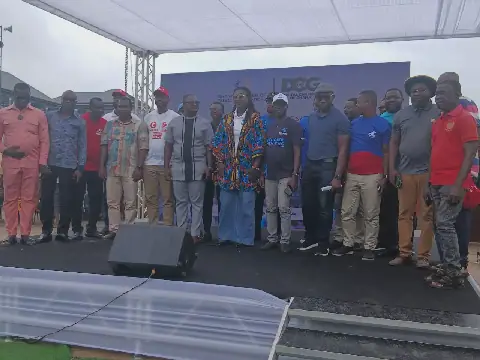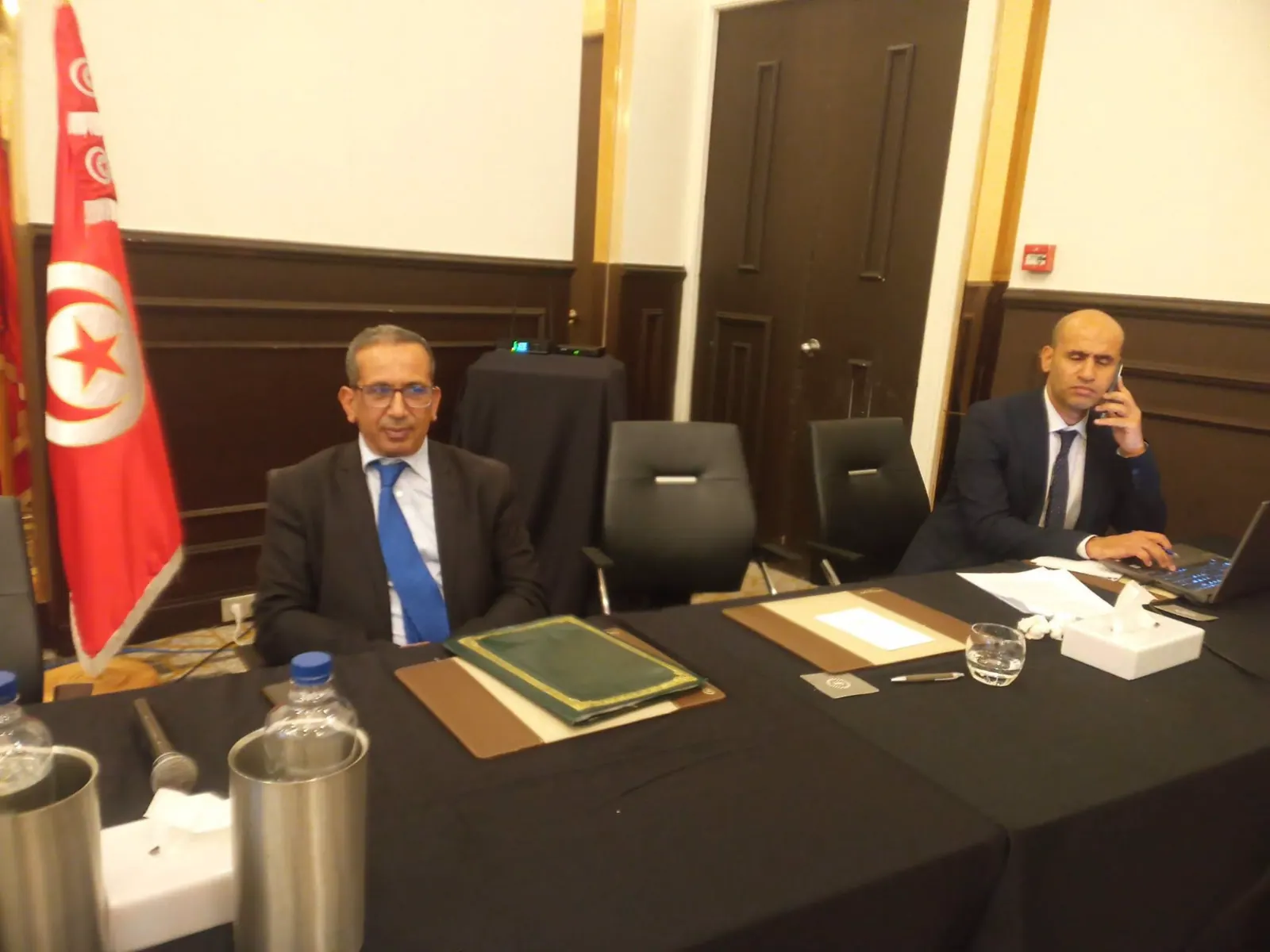
A national workshop titled "Promoting the Benefits of the Greater Arab Free Trade Area" was held in Tunisia on September 22, 2026, with the participation of representatives from the public and private sectors. The workshop aimed to familiarize the private sector with the advantages offered by GAFTA and how to exploit them to enhance and support Tunisia's external trade with Arab countries. Mohamed Nizar Jamil, Director of the Arab Economic Integration Department at the Arab League Secretariat, attended the workshop.
According to Mohamed Nizar Jamil, negotiations for GAFTA began in the 1980s and came into effect in 2005. The integration of the private sector has gained significant importance, given its leading role in the economy and production and trade processes. The objective of the workshop was to meet with representatives of the Tunisian private sector and discuss ways to benefit from GAFTA.
The workshop focused on promoting the benefits of GAFTA and exploring ways to enhance Tunisia's trade with Arab countries. The country's trade relations with Arab countries have been a priority, and the government has been working to strengthen economic ties with these countries. GAFTA aims to create a large free trade area among Arab countries, increasing trade and economic cooperation.
The Tunisian government has been actively working to promote trade and investment with Arab countries. The country has been a member of GAFTA since its inception and has been working to implement the agreement's provisions. The workshop provided a platform for the private sector to learn about the benefits of GAFTA and how to take advantage of them.
The private sector plays a crucial role in Tunisia's economy, and its integration into GAFTA is seen as a key factor in boosting trade and economic growth. The government has been working to support the private sector and provide it with the necessary tools to compete in the global market. The workshop aimed to identify the challenges faced by the private sector and find solutions to overcome them.
The Arab League has been working to promote economic integration among its member states, and GAFTA is one of the key initiatives in this regard. The agreement aims to reduce trade barriers and increase economic cooperation among Arab countries. Tunisia has been actively participating in GAFTA and has been working to implement its provisions.
The workshop concluded with a call to action for the private sector to take advantage of the benefits offered by GAFTA. The government has pledged to support the private sector and provide it with the necessary tools to compete in the global market. The country's trade relations with Arab countries are expected to improve, and GAFTA is seen as a key factor in boosting trade and economic growth.
Key points
- The workshop aimed to promote the benefits of GAFTA for the private sector and explore ways to enhance Tunisia's trade with Arab countries.