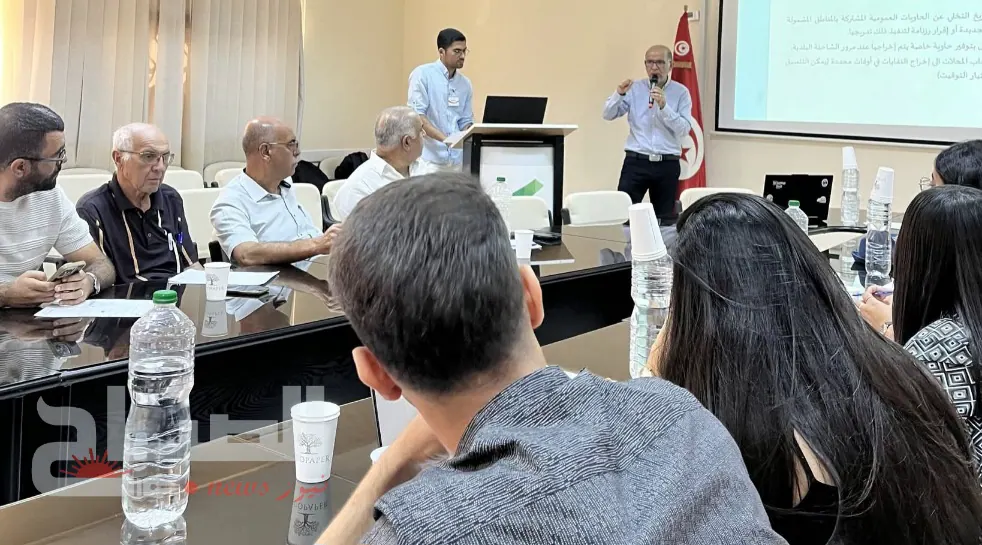
A roundtable discussion was held at the Monastir Palace of Sciences on October 4, 2026, under the theme "Municipal Cleanliness and Waste Management: From Dialogue to Recommendations." The event was organized by the Catalyst association as part of the "Act Local" project in partnership with the Monastir Municipality, the National Agency for Waste Management, and the Palace of Sciences. The discussion focused on the reality of cleanliness and waste management, identifying key issues at the local level.
The meeting brought together various stakeholders to exchange views and propose practical solutions to improve service quality and promote environmental sustainability. The discussion centered around three main areas: procedural and legal challenges related to regulations and legislation governing the cleanliness and waste management sector, challenges in valorizing waste and exploiting resources, and planning and communication challenges.
Participants emphasized the importance of developing procedural and legal aspects by reviewing relevant texts and legislation, particularly the Environmental Code. They also stressed the need to audit and organize specifications related to private companies and service providers dealing with municipalities in the field of cleanliness. These specifications should be tailored to each city's specificities while ensuring transparency and equal opportunities.
In the area of waste valorization and environmental awareness, participants highlighted the importance of drawing on successful international experiences and adapting them to local resources and capabilities. They also recommended strengthening awareness campaigns targeting various groups and stakeholders, particularly economic and commercial project owners. These campaigns should educate them on their role in waste valorization and their rights and obligations.
The discussion also proposed designating specific days and times for collecting certain types of waste, such as heavy household waste, in coordination with citizens and civil society components. Additionally, the creation of model streets or paths within municipalities to promote a culture of sorting and valorization was suggested. These initiatives will be evaluated and gradually extended to other neighborhoods.
The issue of random dumps and the need to intensify monitoring and address black spots was also addressed. Participants emphasized the importance of enhancing coordination and joint intervention between municipalities, the National Agency for Waste Management, and other concerned parties. This will help to improve waste management and promote environmental sustainability.
The roundtable discussion provided a platform for stakeholders to share experiences and expertise, ultimately contributing to the development of sustainable waste management solutions in Tunisia. The event demonstrated the commitment of various parties to addressing environmental challenges and promoting a culture of sustainability.
Key points
- The roundtable discussion in Monastir aimed to promote sustainable waste management solutions and environmental sustainability in Tunisia.
- Participants emphasized the importance of developing procedural and legal aspects and strengthening awareness campaigns to promote waste valorization.
- The event proposed designating specific days and times for collecting certain types of waste and creating model streets or paths to promote a culture of sorting and valorization.