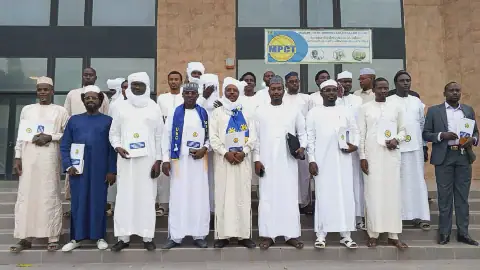
The regional union of agriculture and maritime fishing in Kairouan, Tunisia, hosted a national symposium on the grain sector in light of climate change on September 22, 2026. The event was attended by the president of the National Union of Agriculture and Maritime Fishing, the head of the agriculture committee in the People's Assembly, several deputies, and various experts and technicians in the agricultural field. The symposium aimed to discuss the reality of the grain sector and identify the causes of the decline in crop yields during the previous agricultural season.
The symposium's participants emphasized that the grain sector is a strategic sector linked to food sovereignty. The president of the Kairouan Regional Union of Agriculture and Maritime Fishing, Mouldi Ramadan, noted that there was a decline in grain yields during the previous agricultural season, not only in Kairouan but also in several other governorates. He stressed that the symposium aimed to identify the real causes of this decline with the participation of various stakeholders in the sector.
Ramadan highlighted the importance of providing production requirements, including fertilizers such as DAP and ammonium, as well as excellent seeds, in a timely manner. He also called for providing the necessary financing for many farmers to contribute to the success of the current agricultural season. Meanwhile, Mohamed Ali Hanashi, head of a service at the National Institute of Large-Scale Agriculture, emphasized the importance of choosing suitable grain varieties and adopting an integrated technical package to achieve better yields.
Hanashi noted that the initial indicators for the current agricultural season appear promising, especially with the significant rainfall. He pointed out that excellent seeds provided by the Ministry of Agriculture are available and called on farmers to adopt an integrated technical package that adapts to climate change. Hanashi also stressed the importance of preparing lands on time and adopting complementary irrigation, particularly in Kairouan, to improve grain yields and mitigate the impact of climate fluctuations.
The symposium addressed various challenges facing the grain sector and ways to improve production and yields, as well as enhance farmers' ability to adapt to changing climate conditions. The participants discussed the importance of supporting the sector's sustainability and strengthening food security. The event brought together various stakeholders, including experts, technicians, and researchers in the agricultural field.
The symposium's discussions focused on the impact of climate change on the grain sector and the need for innovative solutions to address these challenges. The participants emphasized the importance of cooperation and coordination among various stakeholders to support the sector's development and improve its resilience to climate change.
The national symposium concluded with a call for action to support the sustainability of the grain sector and enhance food security in Tunisia. The participants emphasized the need for continued efforts to address the challenges facing the sector and to promote innovative solutions to improve production and yields.
Key points
- The symposium highlighted the importance of providing production requirements, including fertilizers and excellent seeds, in a timely manner to support the success of the current agricultural season.
- The participants emphasized the need for cooperation and coordination among various stakeholders to support the sector's development and improve its resilience to climate change.
- The symposium called for action to support the sustainability of the grain sector and enhance food security in Tunisia.