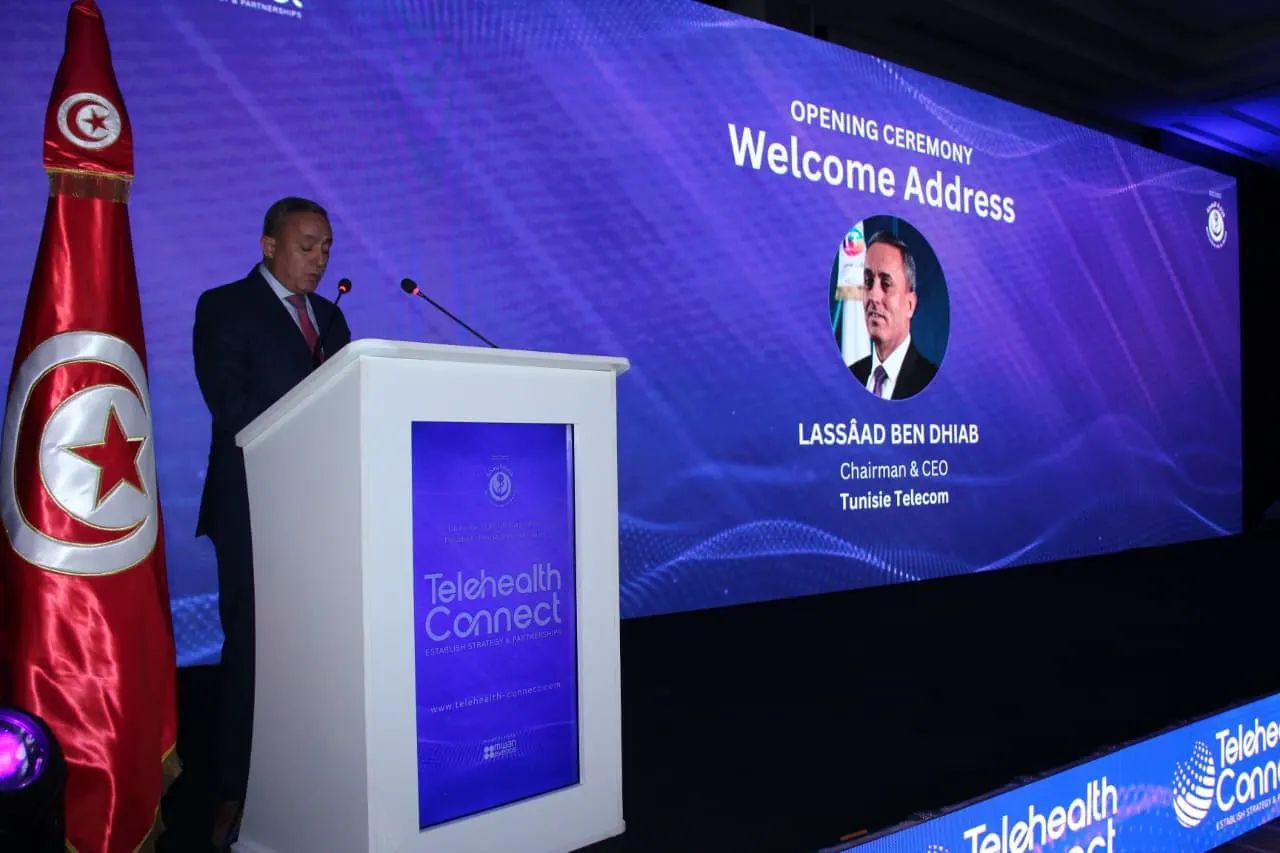
The Telehealth Connect 2026 conference began in Tunis, Tunisia, and will run for three days. Tunisian Health Minister Mustafa Al-Ferjani, Algerian, Libyan, and Mauritanian health ministers, and representatives from nearly 35 countries and international organizations attend. The conference aims to establish a sustainable regional digital health system. Minister Al-Ferjani stated that digitalization is crucial for achieving health equity and access to specialized medicine.
The conference features various speakers, including the Director-General of the World Health Organization (WHO), Tedros Adhanom Ghebreyesus. Ghebreyesus emphasized that achieving digital transformation in the health sector requires resources, cooperation, investment, and regulatory frameworks. He called for strategic investments to ensure that digital health innovations reach those who need them most. The conference also features discussions on cybersecurity, data protection, and the role of artificial intelligence in healthcare.
The Director-General of the Arab Organization for Communication and Information Technology, Mohamed Ben Omar, highlighted the need to transition from fragmented digital health initiatives to a sustainable, scalable regional system. He emphasized that artificial intelligence opens up opportunities for early diagnosis, medical decision support, data analysis, and remote patient monitoring. Ben Omar stressed the importance of protecting data, enhancing cybersecurity, and governing the use of artificial intelligence.
The conference is sponsored by Tunisian telecommunications company, Attijariwafa bank's subsidiary, Communications Tunisie. The company's CEO, Asaad Ben Dhieb, stated that the company plays a significant role in supporting digital transformation in various sectors, including healthcare. He outlined the company's vision, which focuses on five main areas: infrastructure, digital inclusion, cloud computing, digital hospitals, and the Internet of Things (IoT) and artificial intelligence.
Communications Tunisie has implemented various initiatives to support the healthcare sector, including developing digital hospitals and promoting telemedicine services. The company has also partnered with the Ministry of Health and the Tunisian Association of Surgeons to bring medical expertise closer to patients and leverage modern technology. These initiatives aim to improve healthcare services, particularly in areas with limited medical resources.
The conference provides a platform for experts and stakeholders to share knowledge, experiences, and best practices in digital health. Discussions focus on the challenges and opportunities in implementing digital health systems, including issues related to data protection, cybersecurity, and the use of artificial intelligence. The event aims to foster collaboration and coordination among countries and organizations to establish a sustainable regional digital health system.
The outcome of the conference is expected to be a set of key principles for digital health, focusing on achieving equity in access to healthcare services, protecting personal data, and promoting cybersecurity and data sovereignty. The conference's recommendations and conclusions are expected to guide the development of digital health systems in the region and promote cooperation among countries to address common challenges.
Key points
- The conference brings together representatives from 35 countries to discuss sustainable digital health systems.
- The event aims to establish a regional digital health system that is sustainable and scalable.
- The conference highlights the importance of protecting data, enhancing cybersecurity, and governing the use of artificial intelligence in healthcare.