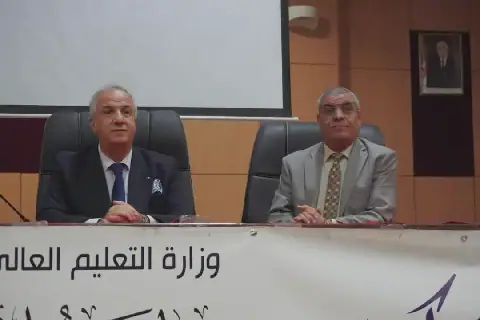
The National Accreditation Council of Tunisia, in collaboration with the World Health Organization's Tunisia office and the Medical Biology Laboratory Unit (ULB), recently organized an intensive training session on the ISO 15189:2022 standard. The training, which took place from November 2 to 6, 2026, is part of the implementation of the "Pandemic Fund" project in Tunisia, aimed at supporting medical biology laboratories in the country.
The training session aimed to enhance the competencies of professionals working in human health laboratories and prepare them for accreditation according to the ISO 15189:2022 standard. This standard is the fourth and latest version of the international specification for quality and efficiency requirements in medical laboratories, issued by the International Organization for Standardization.
The ISO 15189:2022 standard ensures the reliability of results, particularly by verifying that medical analyzes and tests are accurate, reproducible, and reliable for diagnosis and treatment. The standard primarily focuses on patient safety and well-being throughout all stages of laboratory work. Accreditation under this standard grants international recognition, making laboratory results acceptable in various global health systems without requiring re-examination.
Tunisia officially launched the "Pandemic Fund" project in May 2025 to enhance national preparedness for epidemics and potential health threats. The project, initiated by the Ministers of Health and Agriculture, aims to adopt a "One Health" approach, linking human, animal, and environmental health to comprehensively address future pandemic risks.
The project seeks to strengthen infrastructure by developing surveillance capabilities, disease monitoring, and field epidemiology, as well as supporting national laboratories and improving emergency and healthcare services. The training session is part of these efforts, focusing on enhancing laboratory capacities and ensuring the quality and reliability of medical analyses.
The National Accreditation Council's initiative is expected to contribute to improved healthcare services and patient safety in Tunisia. By adopting international standards, the country's medical laboratories can ensure the accuracy and reliability of test results, ultimately enhancing the overall quality of healthcare.
The collaboration between the National Accreditation Council, the World Health Organization, and other international partners highlights the importance of global cooperation in strengthening health systems and preparing for potential health threats. The training session marks a significant step towards achieving these goals in Tunisia.
Key points
- The training session was part of the "Pandemic Fund" project aimed at enhancing Tunisia's preparedness for epidemics and health threats.
- The ISO 15189:2022 standard ensures the reliability and accuracy of medical laboratory results.
- Accreditation under the ISO 15189:2022 standard grants international recognition to laboratory results.
Reporting sources
- Établissement de la Radiodiffusion-Télévision Tunisienne · Établissement de la Radiodiffusion-Télévision Tunisienne