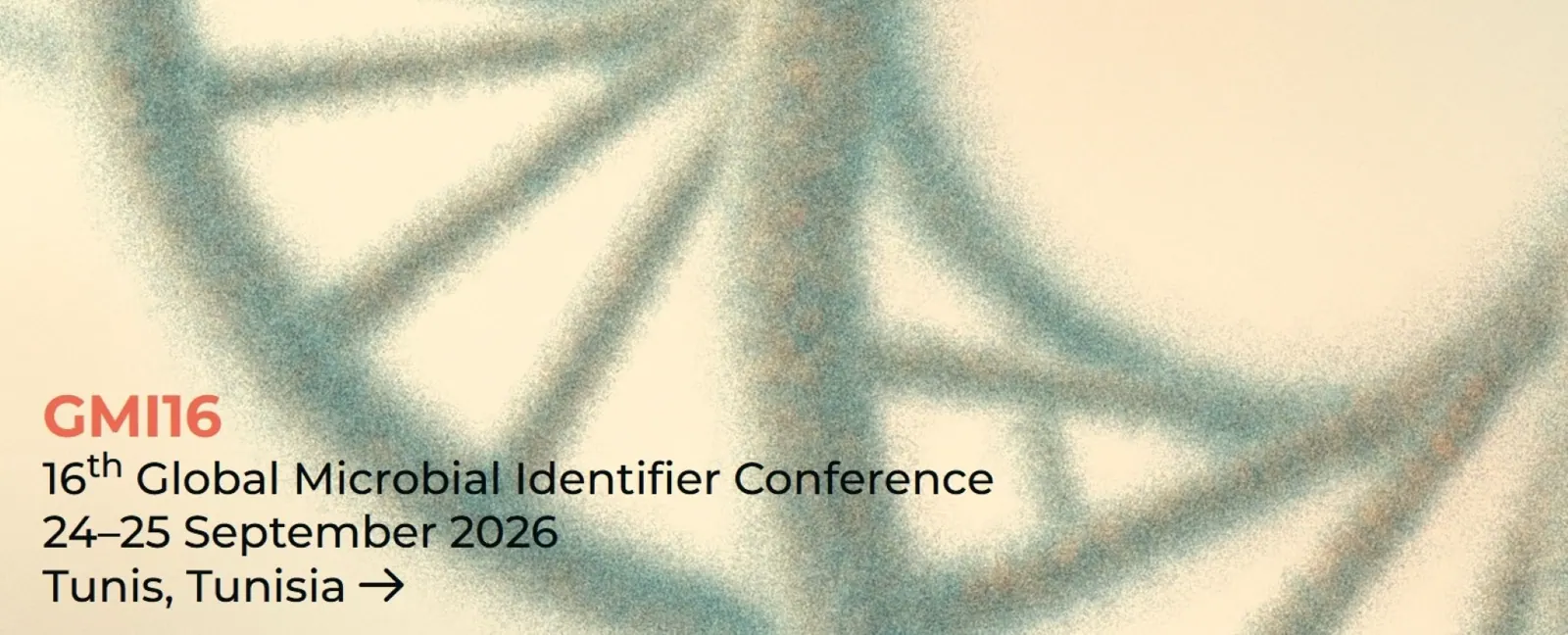
Tunisia has made history by hosting the 16th Global Microbial Identifier conference, GMI16, on September 24-25, 2026. The conference brought together experts and scientists from various countries to discuss the latest developments in genomic surveillance of diseases, early detection of health risks, and antimicrobial resistance. The event aimed to promote a "One Health" approach, which recognizes the interconnectedness of human, animal, and environmental health. This conference marked a significant milestone for Tunisia, showcasing its growing capabilities in health security.
The GMI16 conference provided a platform for scientists to share their research and expertise on microbial identification, genomics, and bioinformatics. The event covered various topics, including the use of artificial intelligence in health security, genomic surveillance of infectious diseases, and the development of new diagnostic tools. The conference also highlighted the importance of international collaboration in addressing global health challenges. By hosting this conference, Tunisia demonstrated its commitment to staying at the forefront of health security and innovation.
The Global Microbial Identifier conference is a premier international event that brings together experts in the field of microbial genomics and bioinformatics. The conference aims to promote the development and implementation of microbial identification and genomic surveillance systems, which are critical for detecting and responding to infectious disease outbreaks. By hosting GMI16, Tunisia has taken a significant step towards strengthening its capacity for health security and innovation.
The conference was attended by experts from various countries, who shared their experiences and knowledge on microbial identification and genomic surveillance. The event provided a unique opportunity for scientists to network, collaborate, and learn from each other. The conference also highlighted the importance of capacity building and training in microbial genomics and bioinformatics, particularly in low- and middle-income countries.
Tunisia's hosting of GMI16 reflects its growing reputation as a hub for scientific research and innovation in Africa. The country has made significant investments in its research infrastructure and has a strong tradition of scientific excellence. The conference has provided a platform for Tunisian scientists to showcase their research and expertise, and to engage with international experts in the field.
The GMI16 conference has contributed to the development of new partnerships and collaborations between Tunisia and other countries in the field of health security. The event has also highlighted the importance of a "One Health" approach, which recognizes the interconnectedness of human, animal, and environmental health. This approach is critical for addressing global health challenges, such as antimicrobial resistance and infectious disease outbreaks.
The success of GMI16 has paved the way for future scientific conferences and events in Tunisia. The country's hosting of this conference has demonstrated its capabilities in organizing large-scale international events, and has showcased its commitment to health security and innovation. The conference has also provided a platform for Tunisian scientists to contribute to global health challenges and to engage with international experts in the field.
Key points
- Tunisia hosts GMI16, a global conference on microbial identifier, with experts from several countries.
- The conference aimed to promote a "One Health" approach, which recognizes the interconnectedness of human, animal, and environmental health.
- The event has contributed to the development of new partnerships and collaborations between Tunisia and other countries in the field of health security.