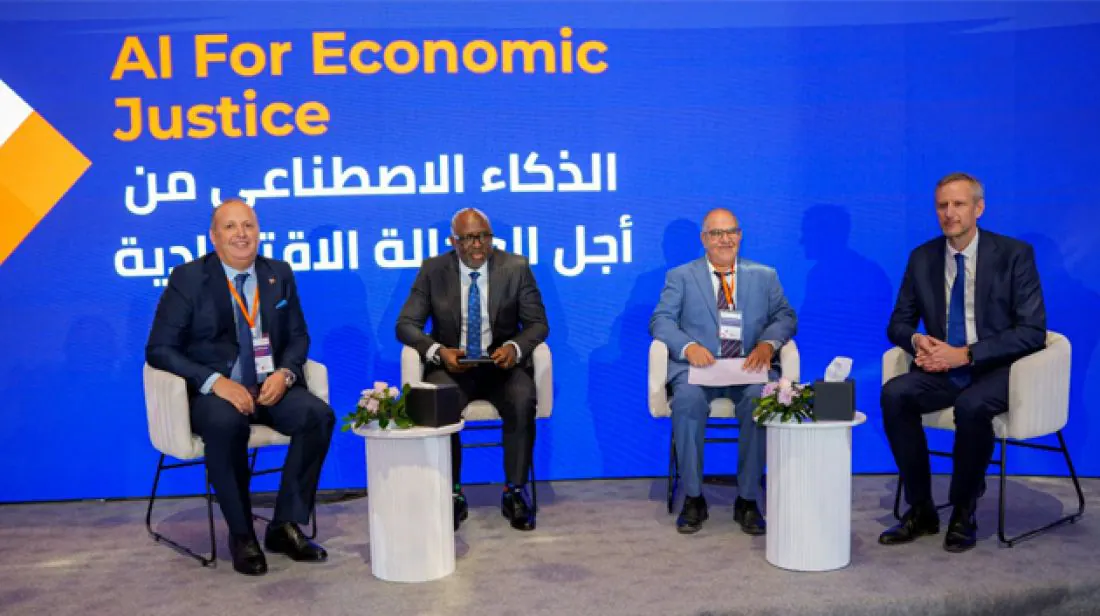
The forum "Artificial Intelligence for Economic Justice" was recently held in Tunisia, organized by the Hague Institute for Legal Innovation and the National Registry of Enterprises. The event brought together representatives from the public and private sectors, experts in artificial intelligence and digital transformation, and startup companies. The discussions centered around the use of AI and digitalization to simplify administrative and tax procedures, improve access to information and services, and reduce conflicts.
The forum highlighted the importance of addressing the needs of small and micro-enterprises, which make up around 97% of economic actors in Tunisia. According to Aslan Ben Rajeb, head of "Contact," equal access to economic information and the development of simple digital tools are crucial for promoting economic justice. He emphasized that these tools should cater to the needs of various categories of enterprise owners.
The National Registry of Enterprises is moving towards full digitalization of its services, with Adel Hajri, its IT manager, announcing the development of AI tools to assist enterprise owners in choosing names and understanding required procedures and documents. Hajri stressed the importance of inter-administrative connections and the adoption of a unified identifier for citizens and enterprises, enabling the exchange of information and eliminating the need for duplicate documentation.
The digitization of tax declaration procedures has yielded significant benefits, with Mohamed Negash, representative of the General Tax Administration, stating that it has saved around 8,000 working days, equivalent to approximately 50 jobs. He also noted progress in connecting the tax administration with the National Registry of Enterprises. The forum also discussed the importance of establishing a national data center and developing Tunisian AI capabilities.
The forum's participants emphasized that AI is not a replacement for human decision-making but rather a tool to support and enhance public services. Rjaa Mzai, director of the Hague Institute for Legal Innovation's office in Tunisia, highlighted the need for human oversight and control in AI decision-making processes. The forum resulted in seven key recommendations, including the generalization of inter-administrative connections, the adoption of a unified identifier, and the development of national AI capabilities.
The recommendations also included designing digital services tailored to the needs of small and micro-enterprises, making public information available without registration, and enhancing data protection and reliability. The participants stressed that the success of digital transformation is not solely measured by the number of available online services but also by their ease of use, inter-administrative connections, and the trust of enterprises and citizens in digital services.
The forum is part of a broader effort to support the responsible and effective use of AI and digitalization in serving economic enterprises and improving access to information and services. The event aimed to promote economic justice and improve the business climate in Tunisia. The recommendations and discussions are expected to contribute to the development of a more efficient and equitable public administration.
Key points
- The forum emphasized the importance of adopting a unified identifier for citizens and enterprises to facilitate the exchange of information and eliminate duplicate documentation.
- The digitization of tax declaration procedures has saved around 8,000 working days, equivalent to approximately 50 jobs.
- The forum recommended designing digital services tailored to the needs of small and micro-enterprises, which make up around 97% of economic actors in Tunisia.