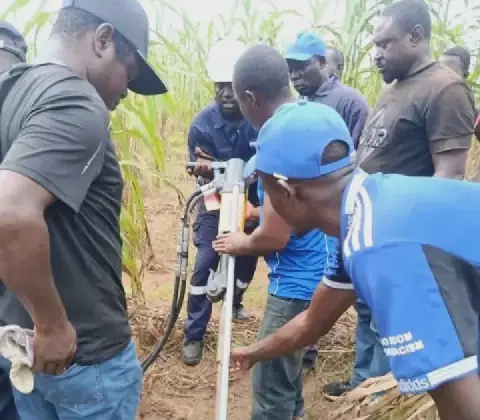
The Centre Technique des Agrumes (CTA) in collaboration with the Délégations Régionale au Développement Agricole (CRDA) of Ben Arous, held an awareness day on September 25, 2026, at the Centre de Formation Agricole de Mornag. The event, attended by experts from the centre, focused on "Integrated control of the Mediterranean fruit fly and rationalization of chemical pesticide use in citrus groves." This initiative aims to address the significant threat posed by the Mediterranean fruit fly to citrus and fruit crops in Tunisia and the Mediterranean region.
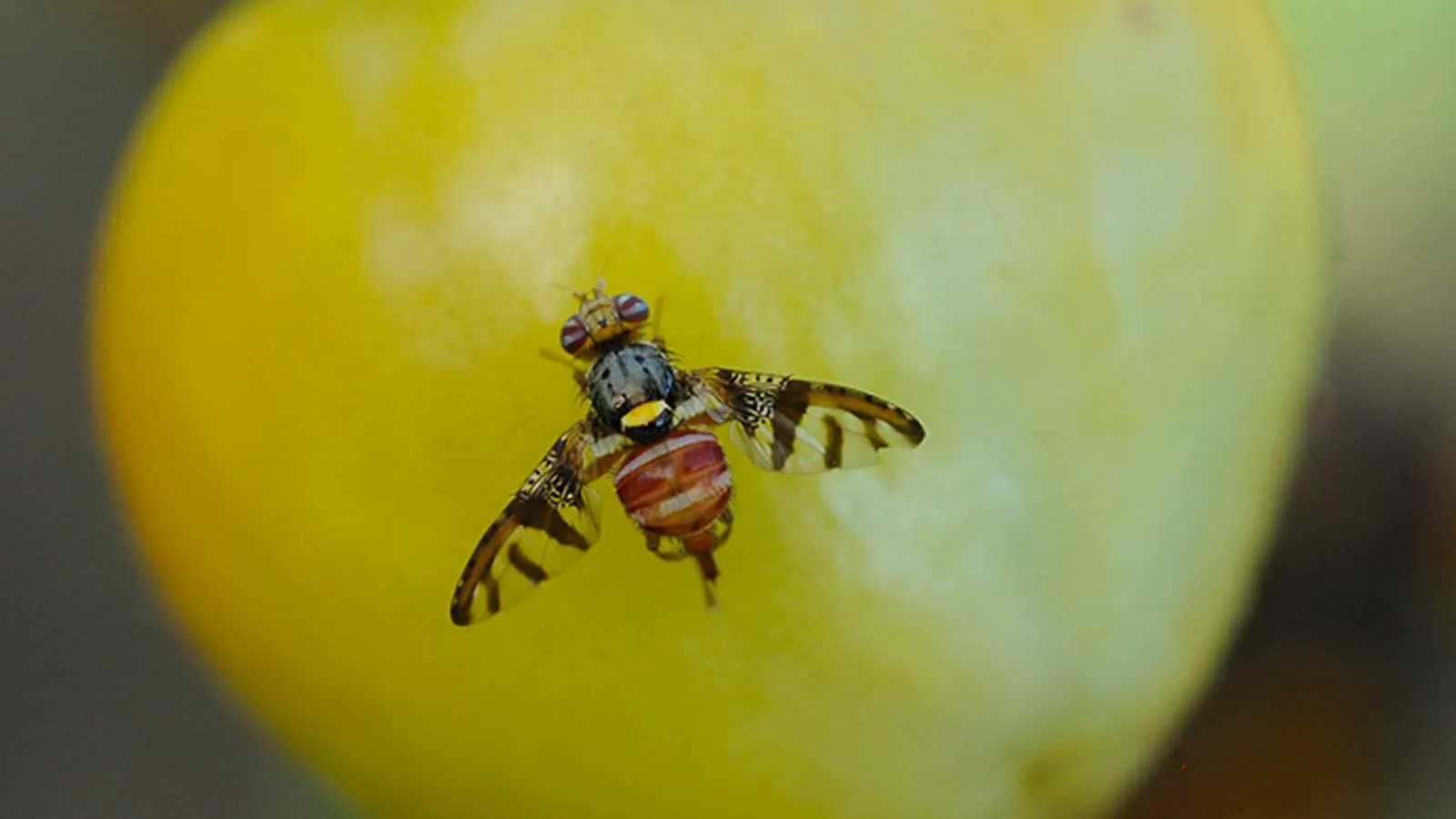
The Mediterranean fruit fly (Ceratitis capitata) is considered one of the most hazardous pests to citrus and fruit crops in Tunisia and the Mediterranean basin. The female fly lays its eggs inside fruits, and the larvae feed on the pulp, causing the fruits to rot and fall prematurely, rendering them unsuitable for consumption or commercialization. This pest is particularly active during the summer and autumn seasons, with rising temperatures, and reproduces rapidly, with multiple generations occurring within a single season.
The Mediterranean fruit fly causes substantial economic losses to farmers annually, resulting from reduced yields and deteriorated fruit quality. To mitigate these losses, the adoption of integrated pest management strategies is crucial. These strategies combine trapping, biological control, and rational use of chemical pesticides, along with hygiene and elimination of infested fruits, to limit the pest's spread and reduce dependence on chemical products.
The awareness day organized by CTA and CRDA aimed to bring together farmers and sector professionals to discuss means of reducing the damage caused by the Mediterranean fruit fly and rationalizing chemical pesticide use. The event provided a platform for experts to share their knowledge and experiences on integrated pest management, enabling participants to benefit from the exchange and enrich the debate on this critical issue.
The Centre Technique des Agrumes and CRDA have taken a proactive approach to addressing the threat posed by the Mediterranean fruit fly. By organizing awareness days and promoting integrated pest management strategies, these institutions are contributing to the development of sustainable agricultural practices in Tunisia. The country's agricultural sector stands to benefit significantly from such initiatives, which can help minimize the economic impact of the Mediterranean fruit fly and ensure the long-term viability of citrus and fruit crops.
The timing of the awareness day coincided with the peak activity period of the Mediterranean fruit fly, which is typically observed during the summer and autumn seasons. By addressing the issue during this critical period, the organizers aimed to maximize the impact of their efforts and encourage farmers to adopt effective control measures. The event is expected to have a positive impact on the management of this pest in Tunisia, ultimately contributing to improved crop yields and quality.
The collaboration between CTA and CRDA on this initiative highlights the importance of partnerships in addressing agricultural challenges. By working together, these institutions can pool their expertise and resources to develop and implement effective solutions to the problems faced by farmers. The success of this awareness day is a testament to the value of such collaborations in promoting sustainable agricultural practices and improving the livelihoods of farmers in Tunisia.
Key points
- The Mediterranean fruit fly causes significant economic losses to farmers in Tunisia, resulting from reduced yields and deteriorated fruit quality.
- The Centre Technique des Agrumes and CRDA organized an awareness day to promote integrated pest management strategies for controlling the Mediterranean fruit fly.
- The event aimed to encourage farmers to adopt sustainable practices, including rational use of chemical pesticides, to minimize the impact of the pest.