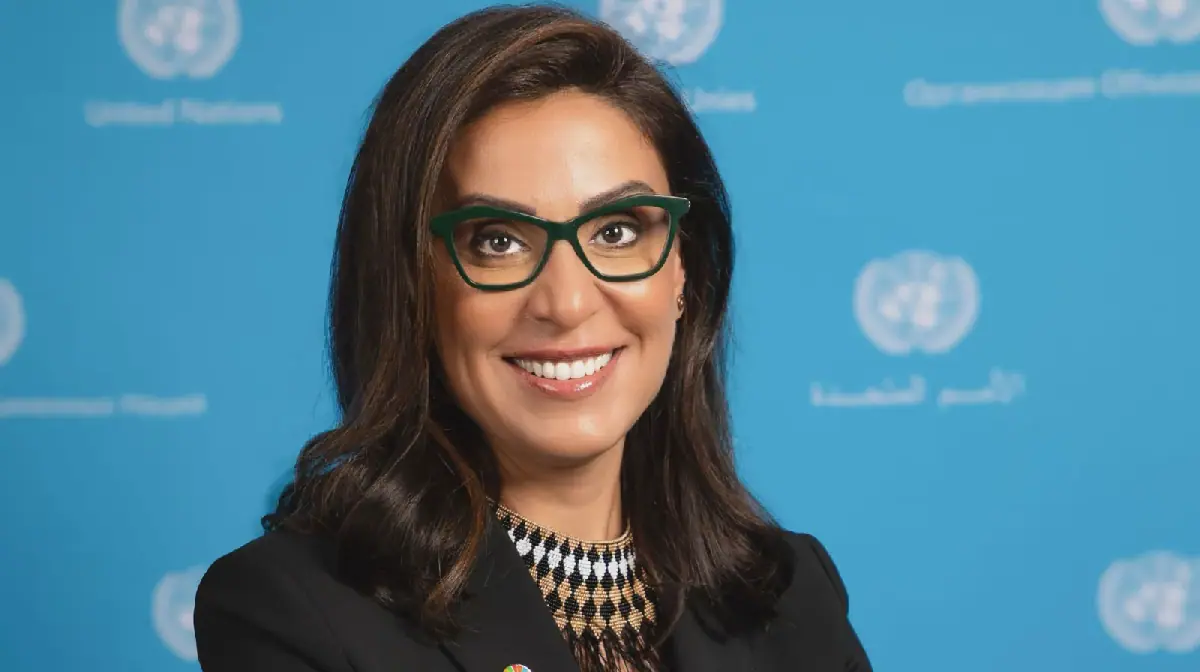
Tunisia has significant experience to share with African countries, particularly in digitalization, statistics, and climate change adaptation and renewable energy. This was stated by Rana Taha, the UN Resident Coordinator in Tunisia, during an interview with TAP on the occasion of the 70th anniversary of Tunisia's accession to the United Nations. The UN plays a crucial role in promoting cooperation among developing countries, especially African nations, by facilitating the exchange of successful experiences and best practices.
Taha emphasized that this cooperation allows Tunisia to benefit from the experiences of other countries and save time and effort in addressing common development challenges. In return, Tunisia has expertise to share with African countries, particularly in digitalization, statistics, and climate change adaptation and renewable energy. This exchange of experiences is essential for promoting South-South cooperation and achieving development goals.
Rana Taha reviewed Tunisia's contribution to multilateral work, highlighting the country's strong voice in defending international multilateralism and promoting African and Arab solidarity. Tunisia has been a strong advocate for the interests of developing countries in international forums. The country's commitment to peace, solidarity, and international cooperation is reflected in its participation in UN peacekeeping efforts since its independence.
Tunisia played a significant role in supporting liberation movements in Africa and the world, advocating for the right of peoples to independence and self-determination. In 1961, Mangi Slim was elected President of the 16th session of the UN General Assembly, becoming the first African to hold this position. This was a historic moment, as many African countries were gaining independence during that period.
Rana Taha also mentioned Tunisia's contribution during the COVID-19 pandemic, when the country supported the adoption of UN Security Council Resolution 2565, which called for ensuring equitable access to vaccines, particularly in conflict zones, and encouraged sharing them with developing countries. This resolution was adopted unanimously on February 26, 2021.
Tunisia officially joined the United Nations on November 12, 1956. Since then, the country has been actively engaged in UN activities and has made significant contributions to promoting peace, security, and development. The country's experience in digitalization, statistics, and climate change adaptation can serve as a model for other African countries.
The exchange of experiences and best practices between Tunisia and other African countries can help address common development challenges and promote sustainable development. Rana Taha's statement highlights the importance of South-South cooperation and the role that Tunisia can play in sharing its expertise with other countries in the region.
Key points
- Tunisia has expertise to share with African countries in digitalization, statistics, and climate change adaptation and renewable energy.
Reporting sources
- Établissement de la Radiodiffusion-Télévision Tunisienne · Établissement de la Radiodiffusion-Télévision Tunisienne