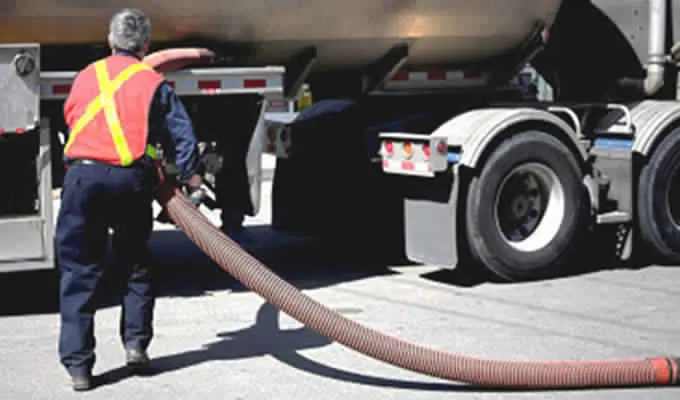
The Tunisian Federation of Oil and Chemical Products has announced a strike for September 23-24, 2026, with workers demanding improved social coverage from the CNSS and implementation of an agreement signed on May 2, 2019. The strike notice was initially filed in late August, but its proximity to the deadline has heightened concerns about potential disruptions. The federation remains open to immediate negotiations to resolve the issues.
A strike by fuel transport workers does not necessarily mean a physical shortage of fuel, but it can impact the delivery of fuel from depots to service stations. The extent of the disruption will depend on available stockpiles, the level of station supplies before the strike, and the specifics of the industrial action. The impact on fuel distribution will be closely watched, as it is a critical component of the country's logistics.
According to previous statements from the CEO of Agil, the Radès and Skhira depots have sufficient fuel stockpiles. However, this assurance only pertains to Agil's stocks and does not provide a comprehensive picture of the current situation across all distributors. At present, there is no consolidated and up-to-date data on the available stockpiles for the entire market.
The level of preparation by service stations before the strike and the existence of a minimum service during the strike remain unclear. These factors will significantly influence the extent of any disruptions. As the deadline approaches, negotiations between the federation and relevant authorities will be crucial in determining the outcome.
With the strike just days away, the window for reaching an agreement is rapidly closing. If an agreement is not reached, the available stockpiles, pre-strike station supplies, and specifics of the strike will be key indicators of the potential disruption. At this stage, it is premature to talk about fuel shortages, but the risk of distribution disruptions is high.
The strike's impact on fuel distribution will depend on various factors, including the level of preparedness by service stations and the specifics of the industrial action. If an agreement is not reached, the situation will be closely monitored to assess the extent of any disruptions. The authorities and stakeholders will need to work together to minimize the impact on the country's fuel supply.
The strike by fuel transport workers highlights the challenges facing Tunisia's economy and the need for effective negotiations to resolve labor disputes. The outcome will have implications for the country's fuel supply and the broader economy. Key stakeholders will need to work together to find a solution that balances the interests of workers and the needs of the economy.
Key points
- The strike by fuel transport workers in Tunisia is set to take place on September 23-24, 2026.
- The strike is over demands for improved social coverage and implementation of a 2019 agreement.
- The risk of disruption to fuel distribution is high, but the extent of the impact is uncertain.