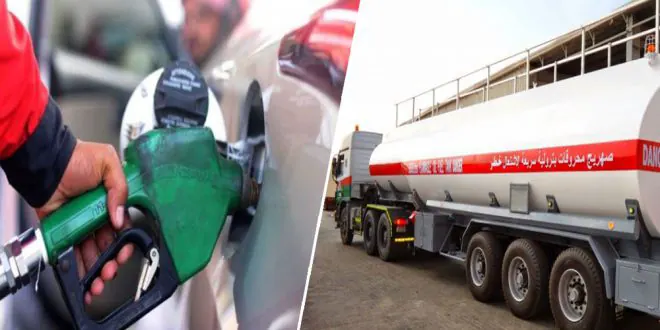
A labor dispute in Tunisia is threatening to disrupt fuel transportation in the country, with a strike planned for September 23-24. The strike, called by the General Tunisian Workers' Union, aims to press for payment of worker benefits owed by the National Social Security Fund. According to Selwan Al-Semiri, assistant general secretary of the union, the strike remains on schedule and is lawful, with notification sent to all concerned parties a month ago.
Al-Semiri stated that the core issue is the non-settlement of workers' dues and delayed payment of agreed-upon grants. He noted that the second installment of social coverage allocations for 2022 was paid last week. The union is seeking a resolution that balances the financial needs of companies with workers' rights. Al-Semiri revealed that a meeting is set to take place with unions willing to cancel the strike if an agreement is reached.
However, the National Chamber of Hazardous Materials Transport and the National Transport Union, affiliated with the Tunisian Industry, Commerce and Traditional Industries Federation, issued a joint statement assuring continued operations. They claimed that fuel distribution companies, transport firms, and fuel sales stations are mobilizing to supply stations with necessary quantities, ensuring business continuity on September 23-24.
The Chamber argued that fuel transport companies received no lawful strike notice under the terms of the Labor Code, rendering any work stoppage or disruption of truck traffic unlawful. This stance sets the stage for a confrontation between the union and companies opposing the strike. The situation remains tense as negotiations attempt to find a resolution.
The strike threat comes as Tunisia faces economic challenges, including high inflation and unemployment. The fuel transport sector plays a vital role in the country's economy, and any disruption could have far-reaching consequences. Workers are demanding timely payment of their benefits, while companies cite financial constraints.
The General Tunisian Workers' Union has been pressing for improved working conditions and payment of outstanding dues. The union's actions reflect broader concerns about labor rights and social protections in Tunisia. As the strike deadline approaches, all parties are under pressure to find a solution that addresses workers' concerns while ensuring the smooth functioning of essential services.
The outcome of the meeting between the union and participating companies will be crucial in determining whether the strike proceeds as planned. If an agreement is reached, it could help avert a potentially damaging disruption to Tunisia's fuel supply chain. However, if negotiations fail, the strike could have significant economic and social implications.
Key points
- The strike is planned for September 23-24 over unpaid worker benefits.
- The union and companies are at odds over the legitimacy of the strike notice.
- The dispute reflects broader concerns about labor rights and social protections in Tunisia.