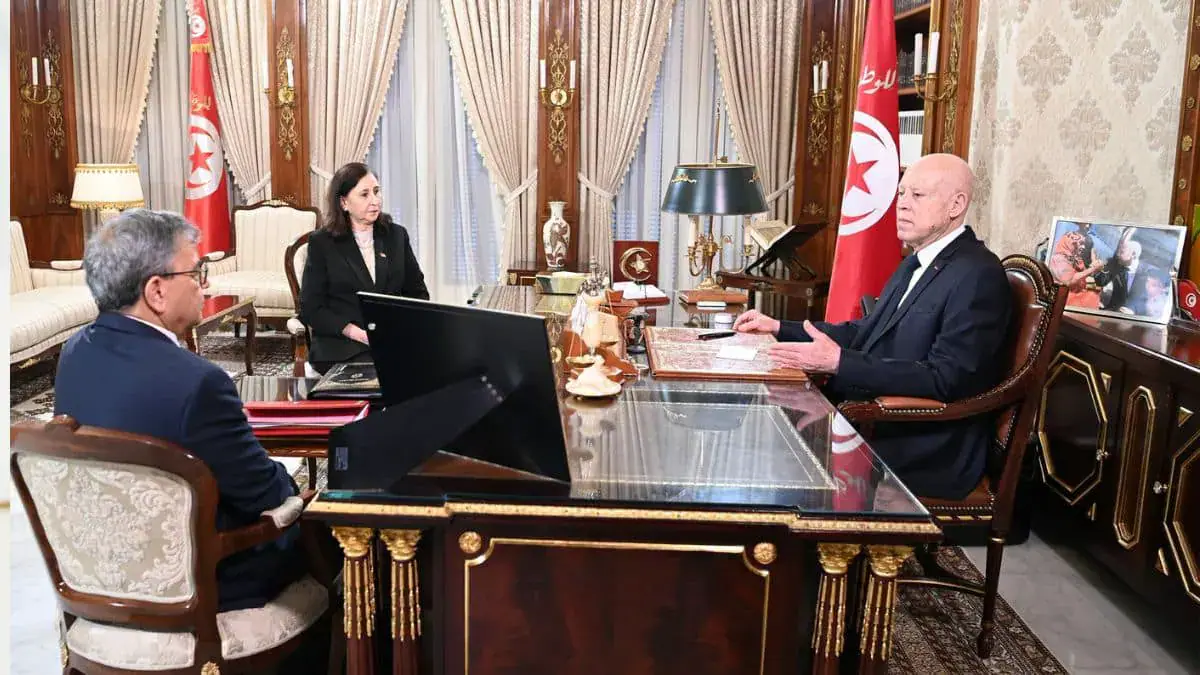
Tunisia is taking steps to rationalize its imports in an effort to address its economic challenges. The country's president, Kaïs Saïed, has instructed the government to review its import policies and intensify the fight against corruption. This move is seen as a bid to reduce the country's growing trade deficit, which reached $6 billion during the first eight months of 2026.
The decision to rationalize imports was made during a meeting between President Saïed, Prime Minister Sarra Zaafrani Zenzri, and the governor of the Central Bank of Tunisia, Fethi Zouhair Nouri. The meeting focused on addressing the rising cost of living and the need to improve access to financing for citizens and businesses. President Saïed emphasized the importance of making the import process more efficient and reducing corruption.
Tunisia's economic struggles have been exacerbated by rising prices and a significant trade deficit. The country's president has accused certain groups of trying to undermine the revolutionary process and has called for improved access to financing for citizens and businesses. He also stressed the need for banks to facilitate access to credit while adhering to central bank regulations.
President Saïed's instructions to the government include improving conditions in key sectors such as healthcare, transportation, education, and social coverage. He emphasized that the state social model should be a tangible reality in everyday life and across all regions. The government's efforts to rationalize imports are seen as a step towards achieving this goal.
Tunisia's move to reduce imports follows a similar approach taken by Algeria, which has been struggling with economic difficulties in recent years. Algeria has implemented policies aimed at reducing imports and promoting domestic production. The country's efforts have led to a decrease in imports, and Tunisia is now looking to follow suit.
The Tunisian government's efforts to combat corruption and improve access to financing are also seen as crucial in addressing the country's economic challenges. President Saïed has instructed his officials to intensify the fight against corruption, which includes addressing fraud, bureaucratic obstacles, and poor treatment of citizens by public services.
The country's import reduction efforts are expected to have a positive impact on its trade deficit and overall economy. However, the specifics of the new import policies and the list of affected products have not been disclosed. The government's actions will be closely watched by citizens and businesses as they navigate the country's economic challenges.
Key points
- Tunisia's President Kaïs Saïed orders rationalization of imports to combat economic difficulties
- The country's trade deficit reached $6 billion during the first eight months of 2026
- Tunisia's move to reduce imports follows a similar approach taken by Algeria
Reporting sources
- Réduction des importations : la Tunisie imite l’Algérie · tsa-algerie.com