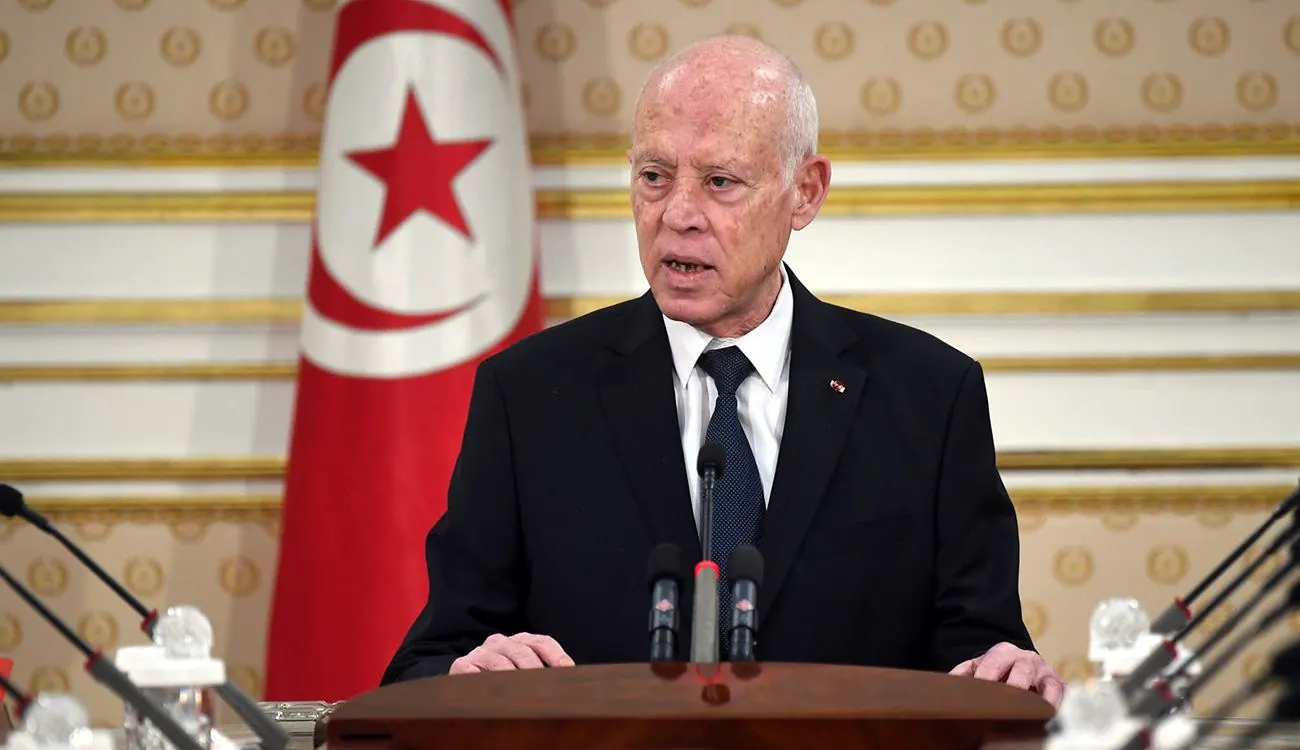
The Tunisian economy is set to face significant financing needs in the coming years, with estimates suggesting 27.3 billion dinars in 2026 and 26.2 billion dinars in 2027. These figures have raised concerns and highlight the need for rigorous budgetary discipline and a boost in economic growth. According to the President of the Republic, achieving this goal requires a combination of fiscal responsibility and strategic investment.
The World Bank's latest economic bulletin highlights the challenges facing Tunisia's economy, which is currently undergoing reconstruction. The country's reliance on external debt, which already exceeds 80% of its GDP, is a major concern. In this context, the government is seeking to prioritize domestic resources and implement measures to stimulate economic growth. The World Bank notes that while Tunisia's economic growth has recently shown signs of improvement, it remains slow and vulnerable to global market fluctuations.
The World Bank emphasizes the need for Tunisia to diversify its economy and improve the business environment to attract investment. The country's offshore sector has shown a significant surplus, while the onshore sector has recorded a substantial deficit. This disparity highlights the need for targeted reforms to address the structural imbalances in the economy. The World Bank suggests that streamlining administrative procedures and reducing constraints on capital flows could help to boost economic activity.
The Tunisian government is seeking to reactivate domestic resources and ensure sustainable economic performance. To achieve this goal, the authorities are focusing on revalorising strategic sectors, such as textiles and clothing, which have experienced a decline in recent years. The sector's regression of 3.3% in the first half of 2026 highlights the need for investment, innovation, and adaptation to international trends.
In addition to traditional financing sources, Tunisia is exploring alternative options, including "friendly" financing from partner countries. This approach could provide a viable solution for funding strategic programs, such as the 2026-2030 development plan. The government is also considering converting some debts into development projects, as recommended by the President of the Republic.
The success of these initiatives depends on Tunisia's ability to mobilize an active and effective economic and financial diplomacy. The authorities are seeking to prioritize domestic resources and implement measures to stimulate economic growth. The World Bank notes that the country has the potential to overcome its challenges and achieve sustainable economic performance, provided it implements the necessary reforms.
The Tunisian government faces a significant challenge in addressing the country's financing needs. However, with a combination of fiscal responsibility, strategic investment, and effective diplomacy, the authorities are confident that they can overcome these challenges and achieve sustainable economic growth.
Key points
- Tunisia's financing needs for 2026 and 2027 are estimated at 27.3 and 26.2 billion dinars respectively.
- The country's reliance on external debt, which already exceeds 80% of its GDP, is a major concern.
- The World Bank suggests that streamlining administrative procedures and reducing constraints on capital flows could help to boost economic activity.