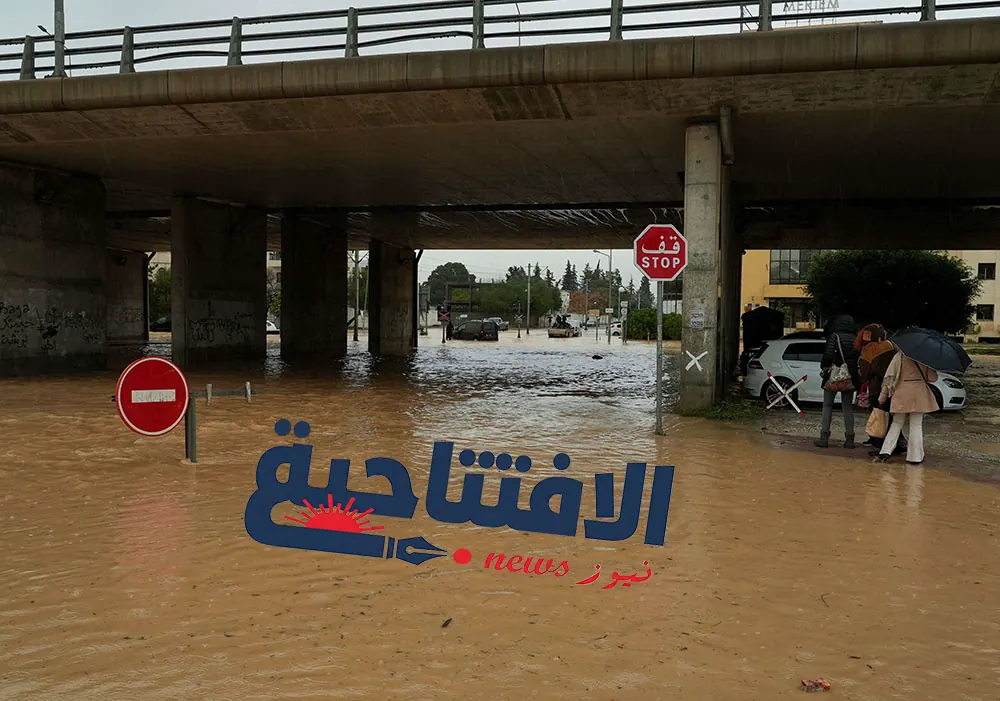
As Tunisia prepares for the upcoming autumn and winter seasons, the country is facing an increased risk of floods due to climate change. The changing weather patterns are bringing more intense and frequent rainfall, which can put a strain on the country's infrastructure and put people's lives at risk. In recent years, Tunisia has experienced several devastating floods, including those in January 1990 and September 1969, which caused significant damage and loss of life.
The current situation in Tunisia is concerning, with several regions and cities already experiencing the effects of flooding. The capital city, Tunis, and other urban areas are particularly vulnerable due to their aging infrastructure and inadequate drainage systems. The government has launched several projects to improve the country's flood defenses, but more needs to be done to address the root causes of the problem. The public is being urged to take precautions and be aware of the risks associated with flooding.
Climate change is a major factor contributing to the increased risk of floods in Tunisia. Rising temperatures and changing weather patterns are leading to more intense and frequent rainfall, which can overwhelm the country's drainage systems and cause flooding. The government is working to raise awareness about the risks associated with climate change and to promote sustainable practices that can help mitigate its impacts.
The Tunisian government is taking steps to address the issue of flooding, including the implementation of emergency response plans and the improvement of infrastructure. However, more needs to be done to address the root causes of the problem and to ensure that the country is prepared for the challenges posed by climate change. The public is being urged to play its part by taking precautions and being aware of the risks associated with flooding.
One of the key challenges facing Tunisia is the need to balance economic development with environmental protection. The country's infrastructure is often inadequate, and the government is struggling to find the resources to invest in flood defenses and other measures to mitigate the impacts of climate change. The public is being urged to support efforts to promote sustainable development and to reduce the country's carbon footprint.
The issue of flooding in Tunisia highlights the need for a coordinated approach to disaster risk reduction. The government, civil society, and the private sector must work together to identify the risks associated with flooding and to develop effective strategies for mitigating its impacts. This includes investing in infrastructure, promoting sustainable practices, and raising awareness about the risks associated with climate change.
In conclusion, Tunisia faces a significant challenge in addressing the issue of flooding, which is exacerbated by climate change. The government, civil society, and the private sector must work together to develop effective strategies for mitigating the impacts of flooding and promoting sustainable development. This includes investing in infrastructure, promoting sustainable practices, and raising awareness about the risks associated with climate change.
Key points
- The Tunisian government needs to develop and implement comprehensive emergency response plans to mitigate the impacts of flooding.
- Climate change is a major factor contributing to the increased risk of floods in Tunisia, and the government must take steps to address its impacts.
- The public must be aware of the risks associated with flooding and take precautions to minimize its impacts.