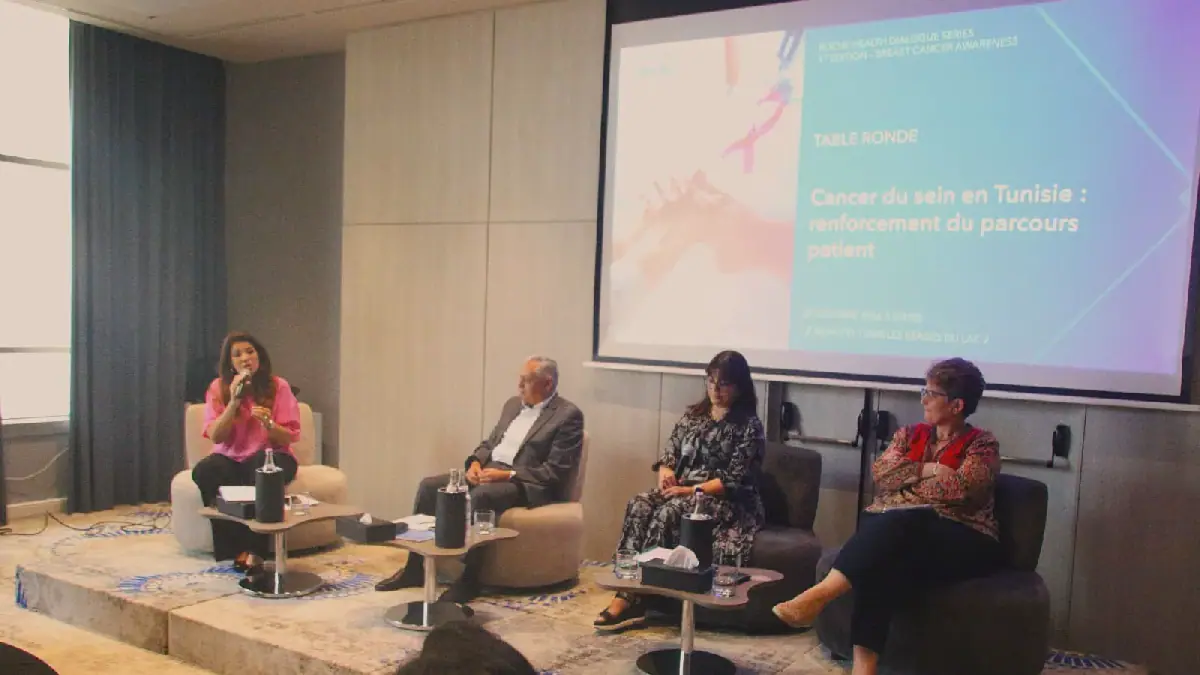
Breast cancer is a significant public health concern in Tunisia, with over 4,000 to 4,500 new cases reported annually. Projections indicate that this number will rise to 6,000 by 2030, primarily due to demographic changes, improved life expectancy, and better medical screenings. As the leading cancer affecting women in Tunisia and globally, breast cancer accounts for 30% of all female cancer diagnoses in the country.
The country's breast cancer profile is distinct, with patients typically diagnosed at a younger age than in Western countries. The average age of diagnosis is between 49 and 50 years old, with 10-11% of patients affected at a very young age, between 35 and 40 years old, or even before 30. Factors contributing to this trend include hormonal influences, genetic mutations, and rapid changes in lifestyle, such as increased obesity, sedentary work, and chronic stress.
Despite these challenges, Tunisia has made significant progress in breast cancer treatment over the past 25 years. The average tumor size at diagnosis has decreased from 6.5 cm in the 1940s to 4.5 cm 25 years ago and now stands at 3 cm. This reduction has led to more opportunities for conservative surgery and improved overall survival rates. Currently, approximately 5 out of 10 women in Tunisia recover from breast cancer, with this proportion expected to increase due to advances in biological understanding and personalized treatment strategies.
Early detection and diagnosis are crucial in improving breast cancer outcomes. The Tunisian healthcare system relies on two complementary approaches: mass screening for asymptomatic women and diagnostic testing for those exhibiting symptoms. Mass screening involves systematic mammography every two years for women between 45 and 50 years old, while diagnostic testing combines clinical examination, mammography, and ultrasound imaging, followed by histological confirmation via biopsy.
Despite progress in screening and diagnosis, Tunisia faces significant disparities in access to medical imaging and expertise. While several regional hospitals have acquired advanced equipment, they often lack sufficient radiologists. To address this issue, the Tunisian government has launched the "Hôpital Numérique" initiative, which enables remote interpretation of medical images and has covered 100% of regional hospital needs for tele-scanning and tele-IRI.
The "Hôpital Numérique" project has facilitated over 120,000 remote examinations and is being expanded to include mammography, tele-senology, and tele-ultrasound. This digital network combines training for midwives, tele-guidance, and artificial intelligence support, aiming to standardize and streamline patient care across the country. The program also integrates with the national "Sahetna.tn" portal, allowing patients to manage appointments, access medical results, and receive educational resources.
Effective breast cancer care in Tunisia requires seamless coordination among multiple healthcare professionals. Multidisciplinary consultation meetings are essential in determining a unified treatment plan. However, a significant challenge persists, with 30% of patients interrupting treatment midway. Addressing these issues will be crucial in improving breast cancer outcomes and ensuring equitable access to quality healthcare for all patients.
Key points
- Tunisia is expected to see 6,000 new breast cancer cases annually by 2030.
- The country faces significant disparities in access to medical imaging and expertise.
- The "Hôpital Numérique" initiative aims to standardize and streamline patient care across Tunisia.