Tunisia is currently facing significant challenges in managing its waste, with most controlled landfills reaching their maximum capacity. The country has 11 controlled landfills and five old ones, which handle around 80% of the waste produced. The remaining 20% is disposed of in municipal or uncontrolled landfills. According to Faisal Bel Dhiafi, a representative of the National Waste Management Agency (ANGED), these controlled landfills receive approximately 3.6 million tons of waste annually.
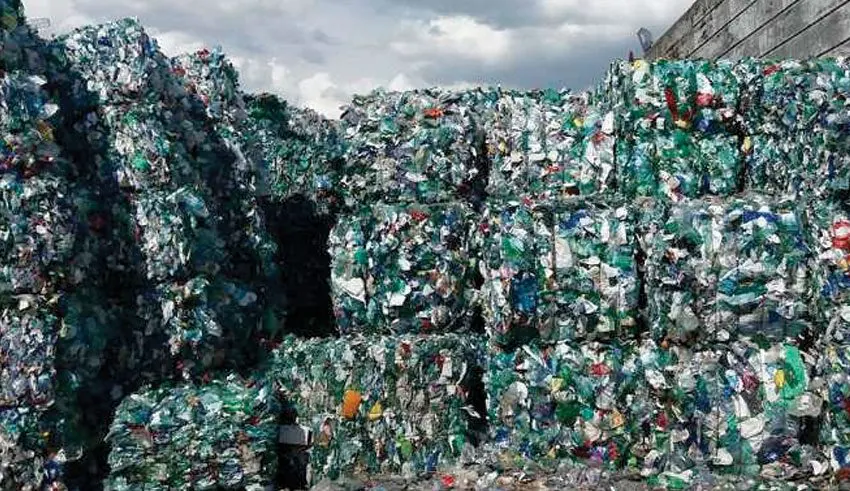
The situation is particularly critical in the capital region, where the Borj Chakir landfill receives between 3,000 and 3,400 tons of waste daily. This has led to an increased focus on finding sustainable solutions for waste management, including waste sorting and valorization. To address this issue, a plastic waste sorting station has been established in Hammam Sousse, with a second station planned for the island of Djerba.
Efforts are also underway to develop a waste valorization unit in Béja, which will produce biogas in partnership with Japan. This initiative aims to reduce the volume of waste sent to landfills and promote a more circular economy. The valorization of waste is seen as a crucial step towards mitigating the environmental impacts of waste disposal and promoting sustainable development.
However, the cost of waste management in Tunisia is rising, with the cost per kilogram reaching 27 dinars at the Borj Chakir landfill, over 48 dinars in Zaghouan, and as high as 100 dinars on the island of Kerkennah. These increasing costs highlight the need for more efficient waste management practices and the adoption of waste sorting at source.
Faisal Bel Dhiafi emphasized the importance of adopting waste sorting at source, which is seen as a key lever for improving waste management and promoting valorization. By sorting waste at source, households and businesses can help reduce the volume of waste sent to landfills and increase the amount of waste that can be recycled or valorized.
The implementation of effective waste management practices is crucial for protecting public health and the environment in Tunisia. The country's waste management system is under strain, and it is essential that authorities and citizens work together to address these challenges. This includes adopting sustainable waste management practices, investing in waste valorization infrastructure, and promoting education and awareness-raising campaigns.
The Tunisian authorities are committed to improving waste management in the country, and several initiatives are underway to address the current challenges. These efforts aim to promote sustainable development, protect public health, and preserve the environment for future generations. By working together, it is possible to create a more sustainable and environmentally-friendly waste management system in Tunisia.
Key points
- The cost of waste management in Tunisia is rising, with costs reaching up to 100 dinars per kilogram on the island of Kerkennah.
- The country has 11 controlled landfills and five old ones, which handle around 80% of the waste produced.
- Authorities are promoting waste sorting at source and valorization as key solutions to improve waste management in Tunisia.