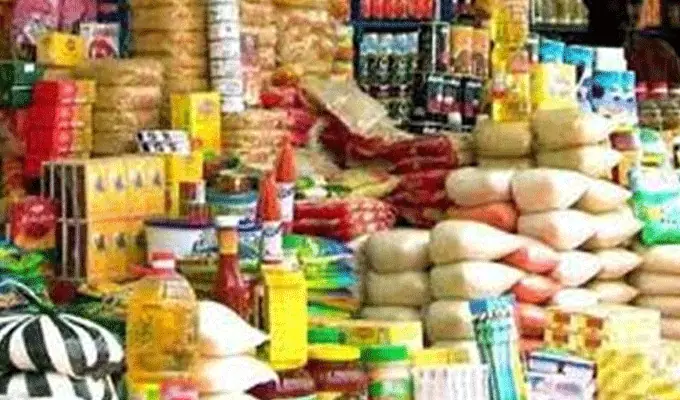
Tunisia is experiencing persistent shortages of essential food products, including sugar, rice, tea, and coffee, despite having sufficient national reserves. According to Minister of Commerce and Export Development Samir Abid, the country's sugar reserves stand at 130,000 tonnes, enough for five months of consumption. Coffee reserves are nearly 6,000 tonnes, while rice reserves are approximately 9,000 tonnes. These stock levels suggest that there is no immediate supply issue.
However, distribution difficulties remain, particularly for red tea, due to inadequate and outdated packaging equipment at the Tunisian Office of Commerce. This issue was highlighted during Abid's hearing before parliamentary committees examining the 2027 budget for his department. The minister acknowledged these challenges, which are compounded by problems in the distribution circuits, speculation, monopolies, and the proliferation of intermediaries. These issues are occurring in a context of declining purchasing power and rising food prices.
The Tunisian government is taking steps to address these challenges. Abid announced plans to increase the supply of poultry products, with 16,000 tonnes of poultry meat and 160 million eggs. The ministry will also continue its economic control operations, which have identified over 86,000 infractions during 507,000 inspections in the first ten months of 2026. These efforts aim to stabilize the market and combat irregularities.
The country's external trade situation also poses concerns. As of September, Tunisia's trade deficit stood at 20.9 billion dinars, with imports growing faster than exports. This imbalance puts pressure on the country's economy and highlights the need for strategies to boost exports and manage imports effectively.
To address these issues, the Ministry of Commerce plans several initiatives. These include modernizing the Bir El Kassâa wholesale market, enhancing control measures, developing direct sales circuits, and providing greater support to exporters. Such measures are crucial for improving market efficiency and reducing the occurrence of shortages.
The 2027 budget for the Ministry of Commerce has been set at 4.223 million dinars, representing a 0.6% decrease from the previous year. Despite this reduction, the ministry remains committed to implementing its planned initiatives to stabilize the food market and improve economic performance. The government faces the challenge of balancing budget constraints with the need to address pressing economic issues.
Moving forward, the Tunisian government will need to carefully manage its resources and implement effective strategies to tackle the root causes of food shortages and market dysfunctions. By addressing these challenges, the country can work towards ensuring a more stable and secure food supply for its population. Key initiatives and policies will be crucial in achieving this goal and improving the overall economic situation.
Key points
- The Tunisian government has sufficient national reserves of staple foods, but distribution issues and market dysfunctions are exacerbating shortages.
- The Ministry of Commerce plans to modernize the Bir El Kassâa wholesale market and enhance control measures to improve market efficiency.
- Tunisia's trade deficit stood at 20.9 billion dinars as of September, with imports growing faster than exports.