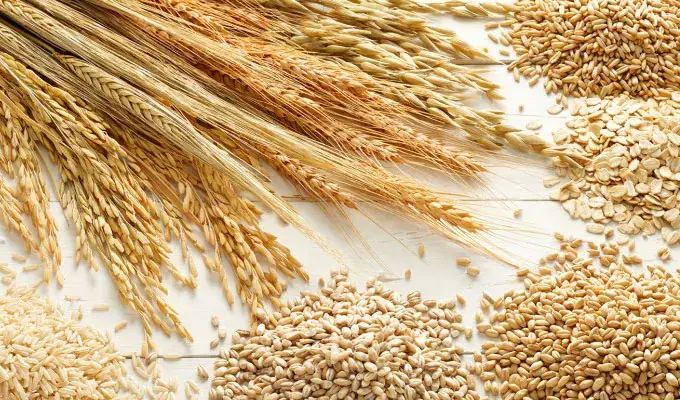
In the Cap-Bon region of Tunisia, a new project is underway to promote the cultivation of heritage cereals, specifically mil and soft wheat. The initiative, led by the Tunisian Association of Taxonomy (ATUTAX) with financial support from the International Union for Conservation of Nature (IUCN), aims to restore salinized soils and enhance climate resilience. The project, part of the TransCap 4 - MUBADARAT program, involves five scientific and agricultural institutions.
The project was launched in Hammam El Ghezaz, in the governorate of Nabeul, and seeks to explore the economic potential of these heritage cereals. The goal is to create a new agro-food chain that can provide opportunities for local farmers and promote sustainable agriculture practices. According to reports, women from agricultural development groups have already presented local products made from mil and soft wheat, indicating initial steps towards valorization.
However, several conditions need to be met to establish a viable agro-food chain. These include ensuring the availability of seeds, achieving stable agricultural yields, securing regular supplies, developing processing capacities, controlling production costs, and accessing distribution channels. The project's success will depend on the ability of its partners to document crop performance and identify profitable market outlets.
The stakes are high, as the conservation of heritage varieties is at stake. A commercially viable processing industry could enable producers to diversify their income streams and better valorize certain crops. Nevertheless, information on potential production volumes, sales prices, and purchase commitments is still lacking. The transition from agricultural experimentation to a full-fledged agro-food chain will require a demonstrated connection between agronomic results and a verifiable business model.
In the governorate of Nabeul, a total of 45,830 hectares were dedicated to cereal cultivation during the 2022/2023 campaign. The project's impact on the local economy remains to be seen, and the next critical step will be to link agricultural outcomes to a reliable commercial model. This will involve close collaboration between project partners, farmers, and other stakeholders.
The project has garnered support from several institutions, including the National Bank of Genes, the Higher School of Agriculture of Mograne, the Faculty of Sciences of Tunis, the Regional Research Center for Large Cultures of Béja, and the National Institute of Agronomic Research of Tunisia. Together, they aim to unlock the potential of heritage cereals and promote sustainable agriculture practices in the region.
As the project moves forward, its success will depend on addressing the challenges and opportunities associated with establishing a new agro-food chain. If successful, it could provide a model for similar initiatives in other regions, promoting sustainable agriculture practices and supporting local economic development. The project's outcomes will be closely watched by stakeholders in the agricultural sector and beyond.
Key points
- The project aims to restore salinized soils and promote local processing of mil and soft wheat.
- Five scientific and agricultural institutions are partnering on the initiative.
- 45,830 hectares were dedicated to cereal cultivation in the governorate of Nabeul during the 2022/2023 campaign.