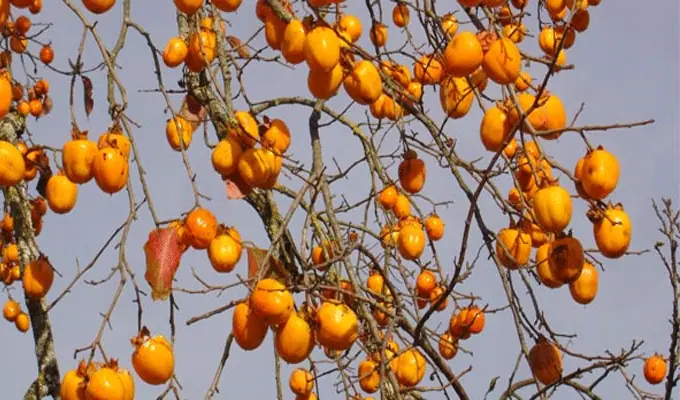
In the Nefza region of Béja, Tunisia, a cooperation between Tunisian and Japanese actors aims to improve the transformation and marketing of kaki fruit, locally known as "krima". With an estimated production of 310 tonnes in 2025, the goal is to better valorize this regional fruit through conservation and transformation techniques. This initiative seeks to examine how technical processes can help propose products better adapted to conservation and marketing requirements.
The cooperation focuses on three main operations: reducing astringency, drying, and improving conservation. Reducing astringency aims to alleviate the harsh sensation the fruit can cause. Drying is another possible transformation, while better conservation could facilitate the organization of its marketing. These processes could contribute to diversifying the forms under which kaki is offered to consumers. Their economic interest will depend on implementation costs, transformed volumes, and accessible commercial outlets.
According to data reported by Radio Diwan FM, Nefza's kaki production reached 310 tonnes in 2025, representing a 15% increase from the previous year. These figures, which remain to be confirmed by competent agricultural services, suggest a positive evolution of local production. However, they do not alone measure the profitability of the sector or the potential commercial value of transformed products.
The representative of the Japanese International Cooperation Agency (JICA) in Tunisia recently visited the site. Potential additional support is being studied, without a confirmed financial commitment in available information. For the Nefza sector, the next step will be to determine if this technical cooperation can lead to concrete transformation capacities and better commercial valorization of kaki.
The stakes are significant for the local economy, as the valorization of kaki could create new opportunities for farmers and economic actors in the region. The involvement of Japanese expertise could bring new technologies and methods to improve the competitiveness of Tunisian agricultural products on the international market.
The cooperation between Tunisia and Japan in the kaki sector could serve as a model for other agricultural products in the country. By improving the transformation and marketing of local products, Tunisia aims to increase its agricultural exports and improve the income of farmers.
The success of this initiative will depend on several factors, including the level of support from JICA, the adoption of new technologies by local producers, and the evolution of market demand for transformed kaki products. If successful, this cooperation could contribute to the growth of Tunisia's agricultural sector and the improvement of rural livelihoods.
Key points
- Tunisia and Japan are exploring cooperation to improve the transformation and marketing of kaki fruit in the Nefza region of Béja.
- The cooperation focuses on reducing astringency, drying, and improving conservation techniques to increase the value chain of kaki fruit.
- The initiative aims to create new economic opportunities for farmers and actors in the region, and could serve as a model for other agricultural products in Tunisia.