The education system in Tunisia is undergoing a significant transformation, prioritizing creativity and imagination over traditional memorization. This shift is driven by the need to prepare students for an increasingly complex and rapidly changing world. As the global job market continues to evolve, students require more than just memorization skills to succeed. They need to learn how to think creatively, adapt to new situations, and develop problem-solving skills.
According to the World Economic Forum's Future of Jobs 2025 report, human skills such as creative thinking, resilience, and flexibility are becoming increasingly important in the modern workplace. The report highlights that technological advancements are taking over routine tasks, and employers are now looking for employees who can apply knowledge in innovative ways. In Tunisia, educators are recognizing the need to move beyond traditional teaching methods and focus on developing skills that will enable students to thrive in this new landscape.
Creativity is often mistakenly associated with artistic activities, but it is a vital skill that can be applied across various subjects, including science, technology, engineering, and mathematics (STEM). By fostering creativity, students can learn to approach problems from different angles, develop innovative solutions, and think outside the box. In Tunisia, educators are working to create learning environments that encourage experimentation, collaboration, and imagination.
Modern classrooms in Tunisia are being transformed into dynamic spaces that promote creativity and imagination. These spaces are designed to facilitate collaboration, experimentation, and visual thinking, and are equipped with technology that enables students to participate actively and share their ideas. Teachers are taking on a new role, acting as facilitators rather than traditional lecturers, and are creating environments that encourage students to explore and take risks.
Technology plays a significant role in these new learning environments, but it is not the only factor. When combined with effective teaching practices, technology can make collaboration, participation, and idea-sharing more accessible. Interactive display technologies, such as Epson projectors, are being used to create more visual, collaborative, and inclusive learning environments. These tools enable students to explore complex concepts, share ideas, and work together in real-time.
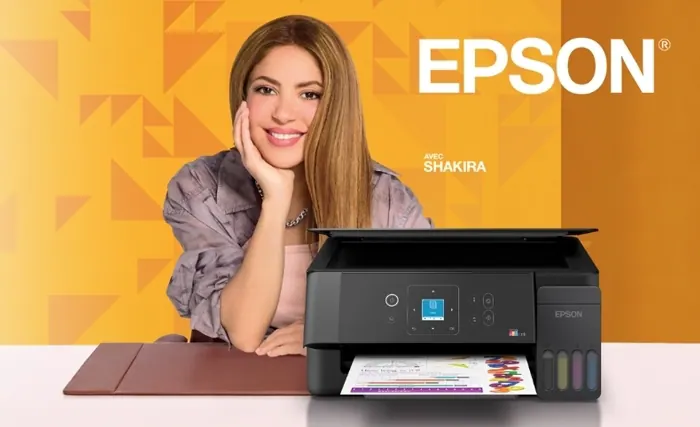
The use of technology in Tunisian classrooms is not limited to interactive displays. Epson EcoTank printers are being used to extend learning beyond the screen, allowing students to transform digital work into physical projects, displays, and prototypes. This approach enables students to engage in more practical and hands-on learning, which is essential for developing problem-solving skills and creativity.
The emphasis on creativity in Tunisian education is driven by a desire to unlock the potential of every student. By providing students with the skills and confidence to think creatively, educators hope to empower them to succeed in an increasingly complex and rapidly changing world. As Shakira's story illustrates, every student has unique talents and abilities, and it is up to educators to create learning environments that allow these talents to flourish.
Key points
- The Tunisian education system is shifting its focus from traditional memorization to fostering creativity and imagination in students.
- The use of technology, such as interactive displays and printers, is playing a significant role in creating modern learning environments that promote creativity and imagination.
- The emphasis on creativity in Tunisian education is driven by a desire to prepare students for success in a rapidly changing world.