The SoutH2 Corridor, a strategic infrastructure project, aims to connect North Africa to Europe to facilitate the transportation of renewable hydrogen. Tunisia, Algeria, Italy, Austria, and Germany are continuing their coordination efforts around this project. The project's technical details and implementation modalities remain to be clarified.
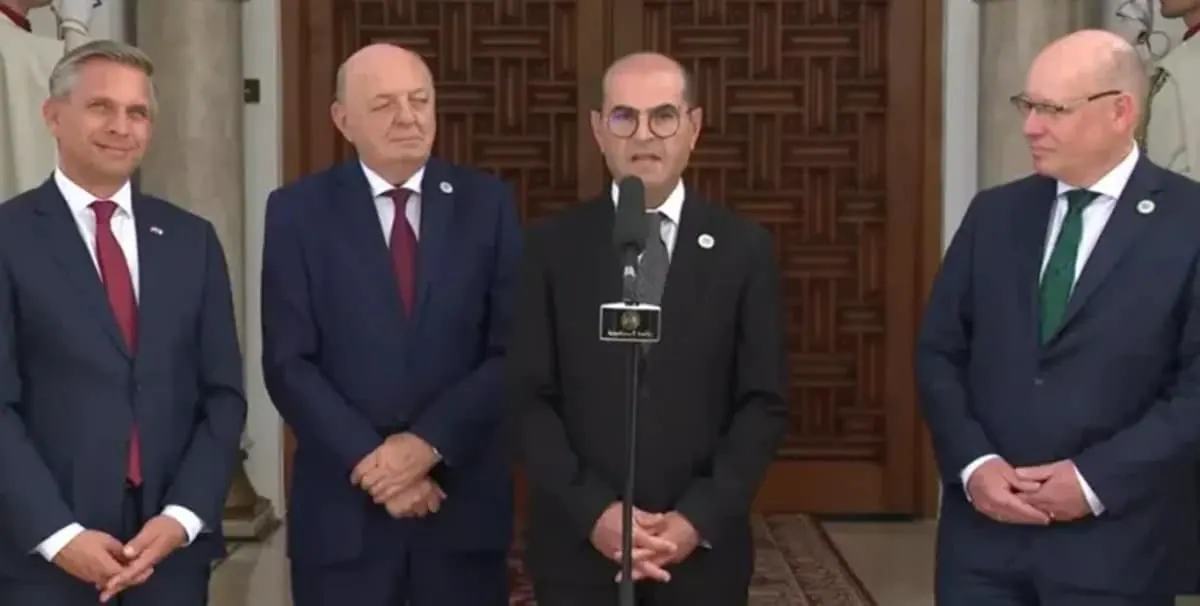
The Tunisian Minister of Equipment and Housing, Salah Zouari, emphasized the strategic importance of this infrastructure. His statements came after a meeting between Algerian President Abdelmadjid Tebboune and energy ministers from the five partner countries. The project envisions establishing a renewable hydrogen transportation chain from North Africa to European markets.
The initiative leverages the region's solar and wind potential and partially utilizes existing gas infrastructure, pending technical adaptations. For Tunisia, this project represents a significant opportunity to position itself in future energy exchanges between the two Mediterranean shores. Its geographical location, between Algeria and Italy, gives it a potential role in transit and the development of new value chains related to green hydrogen.
Tunisia's participation is part of a regional energy cooperation dynamic, as European countries seek to diversify their supplies and accelerate their transition to less carbon-intensive energy sources. Studies conducted so far confirm the project's importance. A second ministerial meeting allowed for an agreement to continue complementary studies in the coming weeks.
These studies will prepare the announcement of the project's definitive configuration and implementation modalities. Several elements remain to be clarified, including the detailed route, necessary investments, execution schedule, and financing mechanisms. The project's transition to the operational phase depends on the concretization of these studies and subsequent technical, economic, and political decisions.
For Tunis, the challenge will be to transform its participation in regional discussions into concrete outcomes, both in terms of investments and development of its renewable hydrogen production capacities. The country's role in future energy exchanges with Europe will also be defined. If successful, the project could open new perspectives for energy cooperation between Tunisia and its partners.
The implementation of the SoutH2 Corridor project will require close collaboration between the partner countries. Its success will depend on various factors, including the completion of studies, securing investments, and making key decisions. The project's impact on Tunisia's energy sector and its position in the European energy market will be significant.
Key points
- The SoutH2 Corridor project aims to establish a renewable hydrogen transportation chain from North Africa to European markets.
- Tunisia's participation in the project is part of a regional energy cooperation dynamic.
- The project's implementation modalities and technical details remain to be clarified.