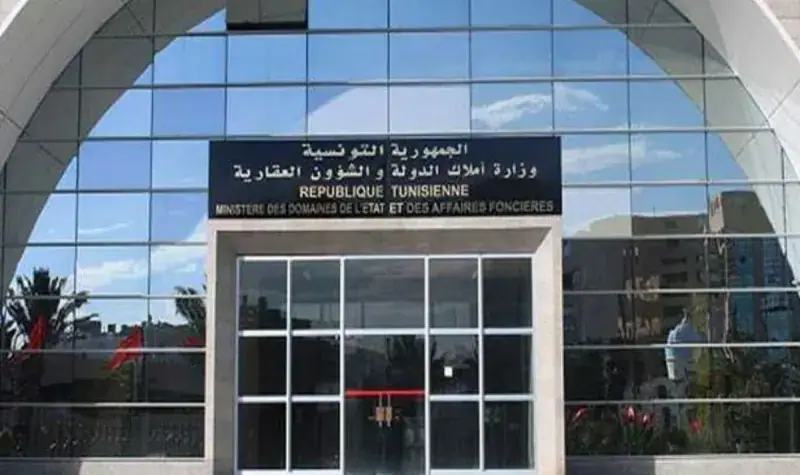
The Ministry of State Properties and Real Estate Affairs in Tunisia has completed an inventory and evaluation of 11,271 state-owned properties across the country as of September. This includes 6,630 agricultural lands spanning approximately 295,000 hectares. The inventory is part of a program aimed at reassessing and economically valorizing the state's tangible assets.
The remaining properties, totaling 4,641, consist of buildings, administrative housing, and undeveloped lands. According to the Ministry, determining the total number and area of unused and employable properties depends on completing the inventory and digitization of state-owned agricultural lands. A geographic portal for these lands is also being developed as part of a presidential project.
In terms of utilizing these properties, the Ministry announced on March 30, 2026, the first list of state-owned farms offered for lease to private companies. The list included 38 farms covering around 17,000 hectares. This resulted in 24 accepted applications, with the concerned companies set to receive leases following the signing of contracts.
The Ministry is also continuing to allocate parts of state-owned agricultural lands to young farmers and unemployed individuals holding higher education certificates. Leases are granted for a fixed term with a rental fee based on the price of a quintal of hard wheat. The state retains ownership of these lands.
The Ministry emphasized that the leasing mechanism for state properties primarily relies on public advertising and auctions or requests for proposals. This approach aims to ensure transparency, equal opportunities, and prevent speculation. The Ministry is working on a draft law to establish a unified and flexible legal framework supporting sustainable development.
The inventory and evaluation process is part of Tunisia's efforts to optimize the use of its state-owned assets. By reassessing and valorizing these properties, the government aims to promote economic growth and development. The Ministry's initiatives focus on creating opportunities for private sector involvement and job creation.
The Ministry's efforts to inventory and manage state properties are ongoing. The development of a geographic portal for state-owned agricultural lands will help track and monitor these assets. This project aligns with the government's goals to enhance transparency and efficiency in managing public resources.
Key points
- The Tunisian Ministry of State Properties and Real Estate Affairs has inventoried 11,271 state-owned properties.
- The inventory includes 6,630 agricultural lands spanning approximately 295,000 hectares.
- The Ministry is working on a draft law to establish a unified and flexible legal framework supporting sustainable development.