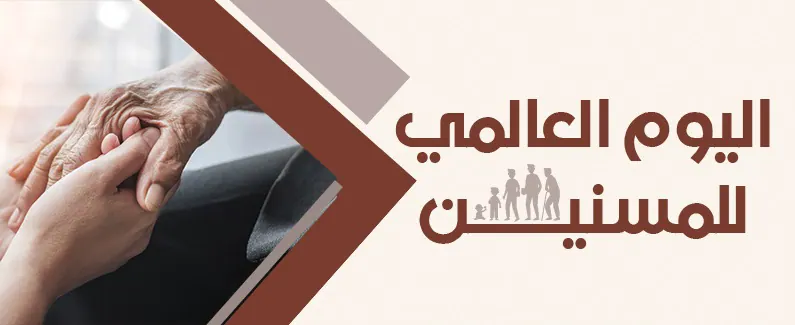
Tunisia joins the rest of the world in celebrating World Elderly Day on October 1st, an occasion to recognize the contributions of elderly individuals to the country's development and to promote solidarity and intergenerational connections. The Ministry of Family, Women, Childhood, and Elderly Affairs has issued a statement highlighting the importance of family as the natural and ideal environment for caring for the elderly.
The Ministry emphasized its commitment to supporting families in their caregiving role, providing necessary alternatives to ensure elderly individuals can live in a safe and dignified environment that preserves their independence and social connections. This includes developing a comprehensive system for elderly care that prioritizes support within the family and community.
The Ministry also stressed the need to consider the implications of demographic changes, not only in terms of care and protection but also in empowering elderly individuals to participate fully in society and contribute their experiences and skills. This involves promoting initiatives that support elderly individuals and foster intergenerational solidarity.
World Elderly Day serves as an opportunity for Tunisia to reaffirm its commitment to implementing international and national pledges to protect the rights and promote the well-being of elderly individuals, in line with the country's constitution, national legislation, and international human rights frameworks. The Ministry highlighted Tunisia's efforts to implement its National Strategy for Elderly Care.
The strategy aims to provide a comprehensive framework for addressing the needs of elderly individuals, including healthcare, social protection, and economic support. The Ministry is working to develop and improve services for elderly individuals, including mobile teams that provide social and health services at home.
The Ministry is also focused on enhancing the quality of care provided in institutions and supporting the development of alternative care arrangements, such as foster care and home care. This includes reviewing and updating the legal and regulatory framework related to elderly care to ensure it is responsive to demographic and social changes.
Tunisia is committed to adopting a participatory and multi-sectoral approach to addressing the needs of elderly individuals, involving government agencies, civil society, and professional organizations. This approach aims to promote active and inclusive aging, ensuring that elderly individuals can live with dignity and participate fully in society.
Key points
- The Ministry of Family, Women, Childhood, and Elderly Affairs reaffirms its commitment to supporting families in caring for elderly individuals and promoting their well-being.
- Tunisia is working to implement its National Strategy for Elderly Care, which aims to provide a comprehensive framework for addressing the needs of elderly individuals.
- The country is adopting a participatory and multi-sectoral approach to promoting active and inclusive aging.