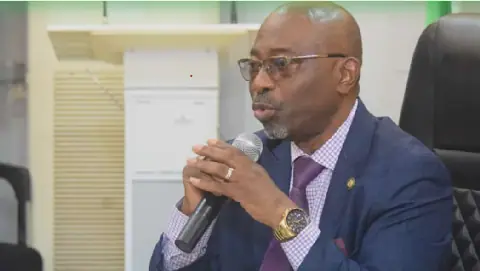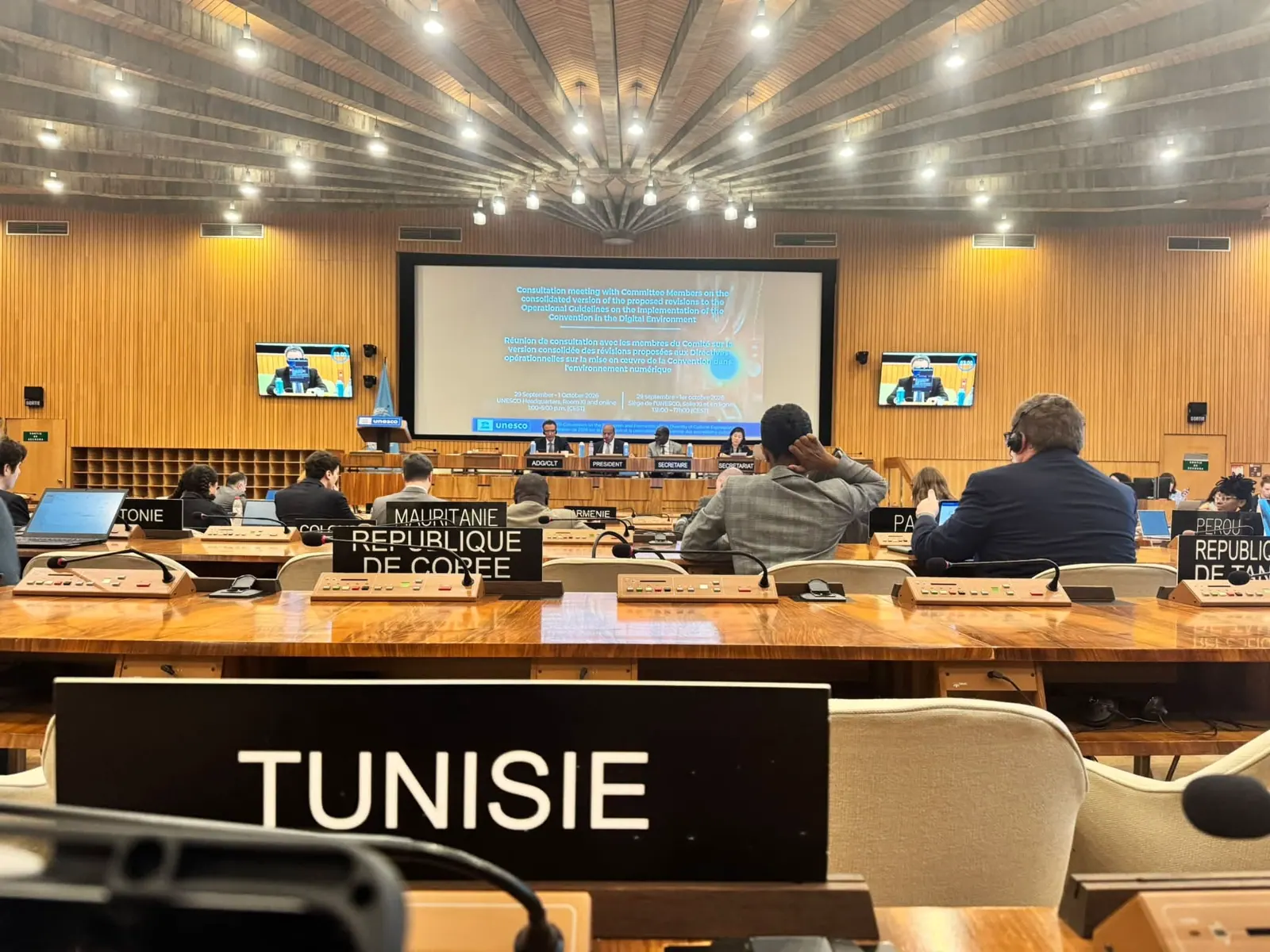
Tunisia has called for a reduction in the digital divide and more equitable access to new technologies and digital infrastructure for developing countries. This appeal was made by Dhia Khaled, Tunisia's Ambassador and Permanent Delegate to UNESCO, at a consultation meeting on revising the operational guidelines of the 2005 Convention on the Protection and Promotion of the Diversity of Cultural Expressions. The meeting, which takes place from September 29 to October 1, 2026, focuses on adapting the text to the new digital environment.
The consultation meeting is attended by Tunisia as a member of the Bureau of the 20th session of the Committee of the Convention. During his intervention, Ambassador Khaled emphasized the importance of preserving human creativity in the face of profound changes induced by the rise of artificial intelligence. He also stressed the need for transparency and responsibility in the use of AI.
Ambassador Khaled further highlighted the necessity of prioritizing the safeguarding of cultural and linguistic diversity in the digital space. This appeal is part of Tunisia's efforts to promote the diversity of cultural expressions in the face of technological advancements. The country's participation in the meeting reflects its commitment to actively engaging in international discussions on the implications of digital technologies on cultural diversity.
The 2005 Convention on the Protection and Promotion of the Diversity of Cultural Expressions aims to promote the diversity of cultural expressions and support the development of cultural industries in developing countries. The operational guidelines of the Convention are being revised to take into account the impact of digital technologies on cultural diversity. The revisions are expected to provide a framework for the implementation of the Convention in the digital age.
Tunisia's call for reduced digital divide and more equitable access to digital technologies and infrastructure reflects its concerns about the unequal distribution of technological advancements and their benefits. The country is advocating for capacity building, training, and the transfer of expertise and know-how to support the development of digital infrastructure in developing countries.
The consultation meeting on the revision of the operational guidelines of the Convention will continue until October 1, 2026. The meeting is expected to produce a revised framework for the implementation of the Convention, taking into account the implications of digital technologies on cultural diversity. Tunisia's participation in the meeting demonstrates its commitment to promoting cultural diversity and supporting the development of digital infrastructure in developing countries.
The issue of digital divide and access to digital technologies is a pressing concern for many developing countries. Tunisia's appeal for more equitable access to digital technologies and infrastructure reflects the need for international cooperation to address this issue. The country's efforts to promote cultural diversity and support the development of digital infrastructure in developing countries are expected to continue.
Key points
- Tunisia calls for reduced digital divide and more equitable access to digital technologies and infrastructure for developing countries at UNESCO meeting.
- Ambassador Dhia Khaled emphasizes the importance of preserving human creativity and promoting cultural and linguistic diversity in the digital space.
- The consultation meeting on the revision of the operational guidelines of the 2005 Convention aims to adapt the text to the new digital environment.