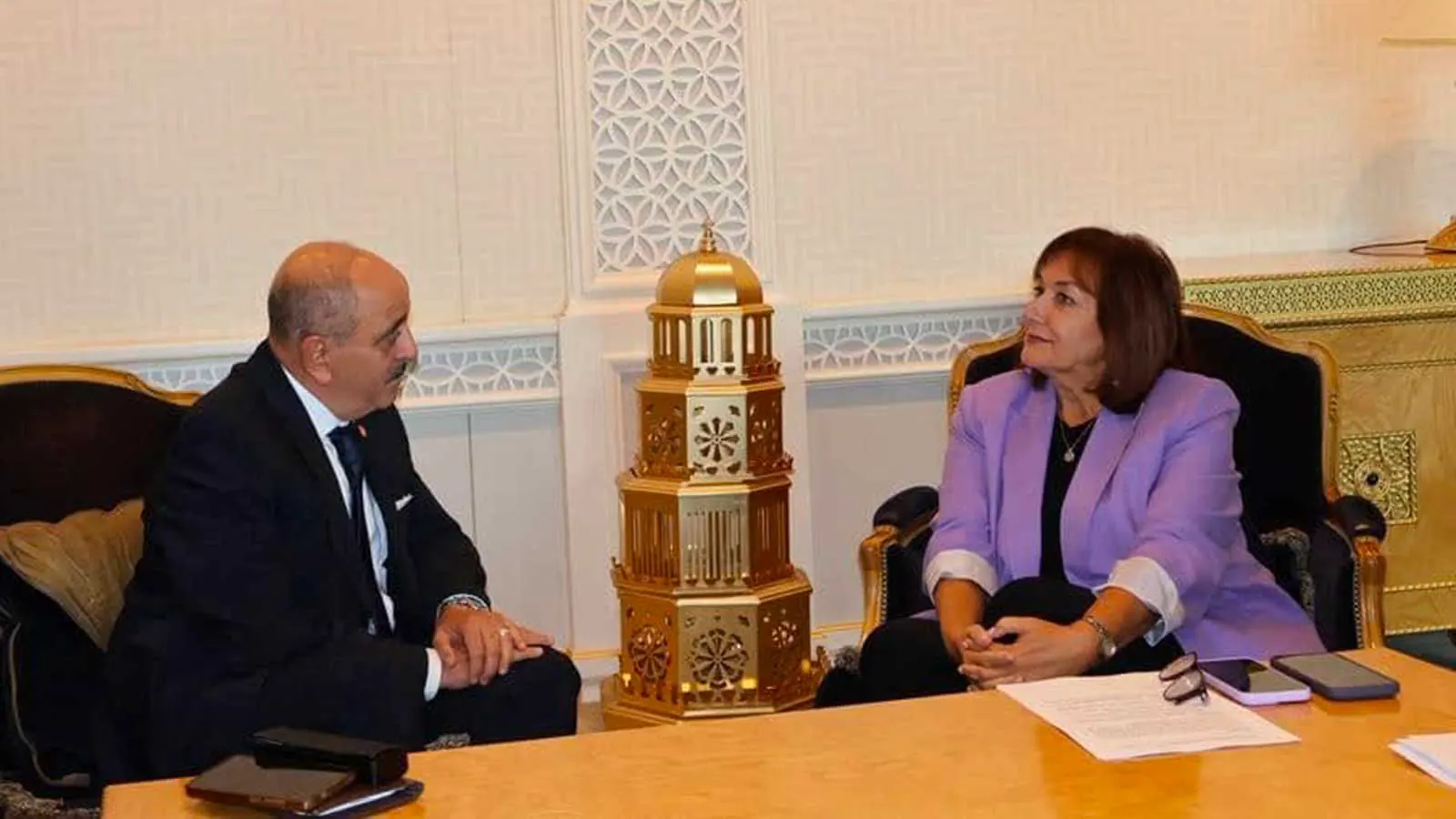
Tunisia's Foreign Minister, Mohamed Ali Nafti, recently met with European Commissioner for the Mediterranean, Dubravka Šuica, in New York to discuss the country's partnership with the European Union. The talks focused on revising the existing partnership agreement to make it more equitable and reflective of the current situation. Nafti emphasized the need for a realistic and fair agreement that adapts to current changes while preserving the interests of both parties.
The proposed revisions aim to strengthen cooperation in areas such as trade, finance, and scientific programs. The agreement should be based on mutual respect, parity, and the sovereignty of Tunisia and its institutions. This approach would ensure a more balanced partnership, allowing both sides to benefit equally. The discussions also highlighted the strategic importance of Tunisia-EU relations and the need to consolidate them through a new framework.
Nafti reiterated Tunisia's support for regional integration initiatives, emphasizing the need for concerted action and shared responsibility. He also stressed the importance of resolving the Palestinian conflict, which he believes is crucial for achieving stability, security, and sustainable development in the region. The Palestinian issue remains a key concern for Tunisia, and Nafti called for a just, comprehensive, and definitive solution.
The meeting also addressed the issue of migration and mobility. Nafti emphasized Tunisia's commitment to a comprehensive and balanced approach that respects human rights, addresses the root causes of irregular migration, and combats human trafficking and smuggling networks. He also highlighted the need to optimize legal mobility pathways. The European Commissioner acknowledged the importance of a new approach and expressed her willingness to build a relationship based on mutual interests and respect for sovereignty.
The two officials discussed the need for a more effective partnership that takes into account the priorities and interests of both Tunisia and the EU. They agreed on the importance of regular dialogue and cooperation to address common challenges. The next Tunisia-EU Partnership Council is expected to play a crucial role in shaping the future of their relations.
Šuica expressed her willingness to work with Tunisia to establish a new framework for cooperation. She emphasized the need for a mutually beneficial relationship that respects Tunisia's sovereignty and institutions. The European Commission is committed to strengthening its partnership with Tunisia and addressing the challenges facing the region.
The talks between Nafti and Šuica reflect the desire of both Tunisia and the EU to strengthen their partnership and address common challenges. The proposed revisions to the partnership agreement aim to create a more equitable and effective relationship. Key areas of cooperation include trade, finance, and migration management.
Key points
- Tunisia's Foreign Minister calls for a more equitable partnership with the EU
- Proposed revisions aim to strengthen cooperation in trade, finance, and scientific programs
- Tunisia and EU to address migration and mobility through a comprehensive approach