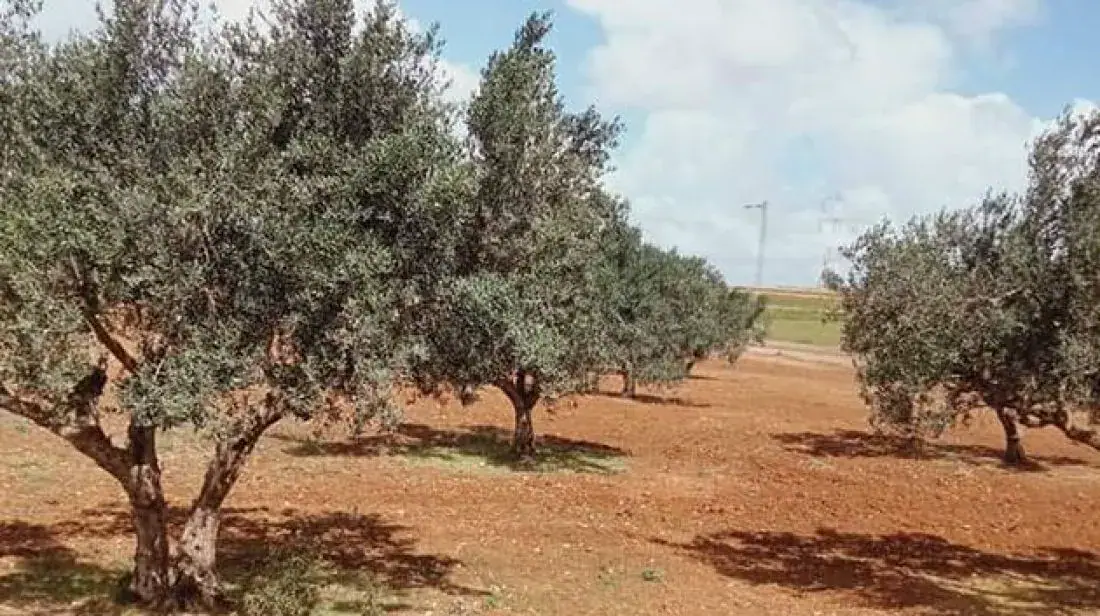
In a significant move, the Technical Advisory Committee for the revival of international agricultural lands in Banzart, Tunisia, has implemented a decision to revoke the rights of a tenant to a 47-hectare international agricultural land. The land, known as "Am Hani 2," is located in the delegation of Menzel Bourguiba. This decision was made due to the tenant's failure to properly utilize the land and for undertaking severe pruning of olive trees without necessary approvals.
The land in question comprises 37 hectares of olive tree plantations, with over 4,800 trees, and approximately 10 hectares of uncultivated but fertile land. The tenant's actions included severe pruning of the olive trees and the sale of firewood obtained from this pruning without the required permits. This situation prompted the authorities to take action to reclaim the land. The process was carried out in the presence of various officials and entities.
The reclamation process was attended by several high-ranking officials, including the delegate of Menzel Bourguiba, Ziad Harzallah, representatives from the regional administration of state properties and real estate affairs, the regional delegation for agricultural development, and local law enforcement agencies. The presence of these officials underscores the government's commitment to enforcing land use regulations and ensuring that agricultural lands are utilized effectively.
The decision to reclaim the land was made after completing several legal procedures. The tenant had failed to properly exploit the allocated land, leading to the invocation of legal measures against them. The land has now been transferred to the management of the Directorate of International Lands, pending further actions to reassign it according to legal procedures.
The reclaimed land is expected to be reassigned for agricultural use, contributing to the country's agricultural sector. The government's actions aim to optimize the use of agricultural lands and ensure compliance with regulations. This move is part of broader efforts to manage and utilize Tunisia's agricultural resources efficiently.
The implementation of this decision highlights the government's resolve to manage public and international agricultural lands effectively. It also demonstrates the collaboration between various government agencies and local authorities in enforcing regulations and ensuring that land is used for its intended purposes.
The future use of the reclaimed land will be determined in accordance with existing laws and regulations. The authorities are expected to explore options for the land's optimal utilization, potentially involving local farmers or agricultural cooperatives. This development is seen as a positive step towards enhancing agricultural productivity and land management in Tunisia.
Key points
- The Tunisian authorities have reclaimed a 47-hectare international agricultural land in Banzart due to the tenant's failure to properly utilize it.