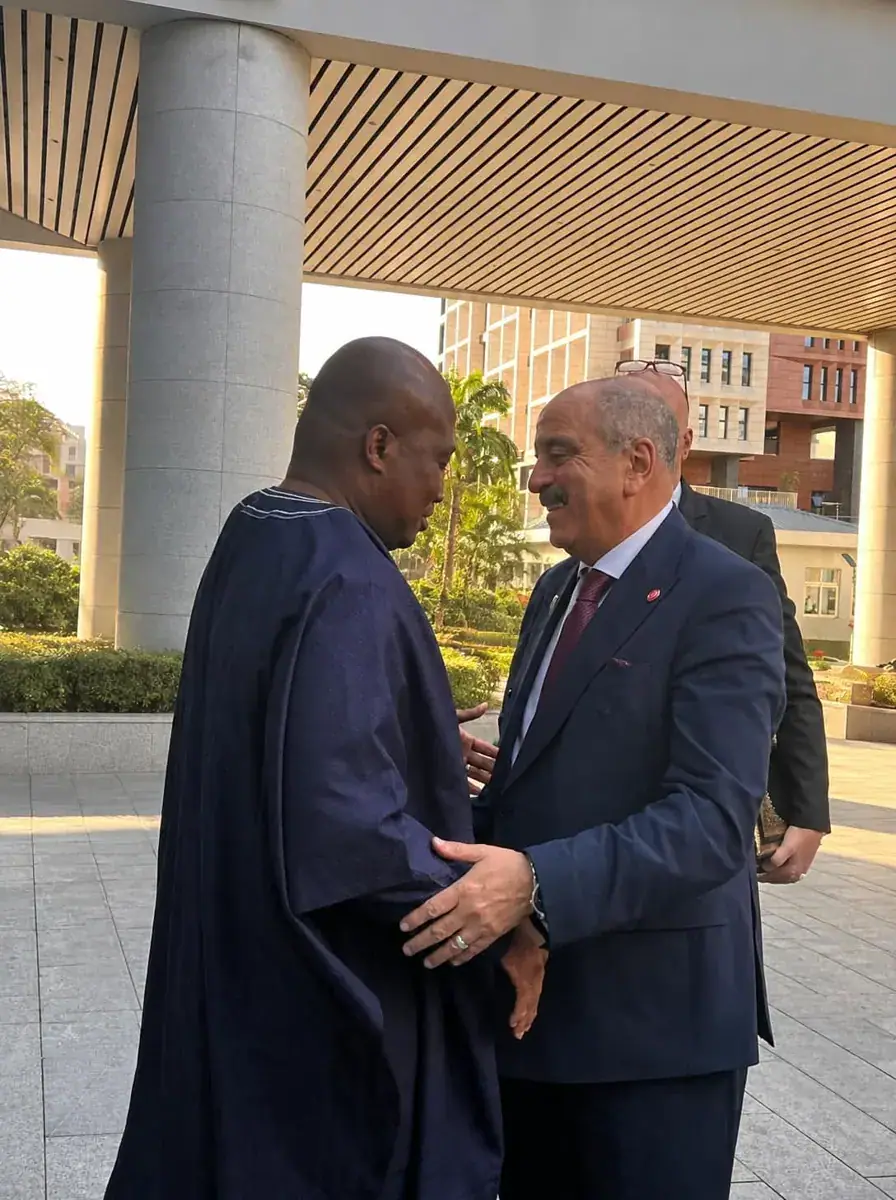
On the sidelines of the 27th extraordinary session of the African Union's Executive Council in Accra, Tunisian Foreign Minister Mohamed Ali Nafti met with his Ghanaian counterpart, Samuel Okudzeto Ablakwa. During their discussion, Nafti outlined Tunisia's vision for African cooperation, focusing on shared interests, mutual benefits, and diversified areas of action. This vision was well-received by Ghana, which approved the Tunisian proposal to create a joint work program for the next two years.
The planned joint action aims to modernize the diplomatic framework of bilateral relations and establish a regular consultation mechanism on continental and international issues of common interest. This program will also aim to stimulate trade and cross-investments, leveraging the opportunities offered by the African Continental Free Trade Area (AfCFTA). By doing so, Tunisia and Ghana seek to strengthen their economic ties and explore new areas of cooperation.
The joint work program will focus on several strategic sectors, including transportation, healthcare, higher education, and vocational training. This expansion of cooperation is expected to enhance the exchange of expertise and best practices between the two countries. Furthermore, the program will provide a framework for regular dialogue and coordination on issues of mutual interest.
The agreement between Tunisia and Ghana reflects the shared commitment of both countries to deepening their bilateral relations and promoting regional cooperation. By working together, Tunisia and Ghana aim to unlock new opportunities for economic growth and development. The joint action plan is expected to be implemented over the next two years, with regular reviews and assessments to ensure its effectiveness.
The African Continental Free Trade Area (AfCFTA) has created a new landscape for economic cooperation and integration in Africa. By leveraging the opportunities offered by the AfCFTA, Tunisia and Ghana can increase their trade and investment flows, creating new opportunities for businesses and entrepreneurs. The joint work program will help to facilitate this process, promoting economic cooperation and development in both countries.
The meeting between Nafti and Ablakwa highlights the growing importance of Tunisia-Ghana relations. Both countries have a strong interest in strengthening their bilateral ties, and this agreement marks a significant step forward in this process. The joint action plan will provide a framework for cooperation in various sectors, promoting mutual understanding and respect.
The implementation of the joint work program will be closely monitored, with regular assessments and reviews to ensure its effectiveness. Tunisia and Ghana are committed to working together to achieve the goals and objectives outlined in the program. This cooperation is expected to have a positive impact on the economic and social development of both countries.
Key points
- The joint action plan aims to modernize the diplomatic framework of bilateral relations and establish a regular consultation mechanism on continental and international issues of common interest.