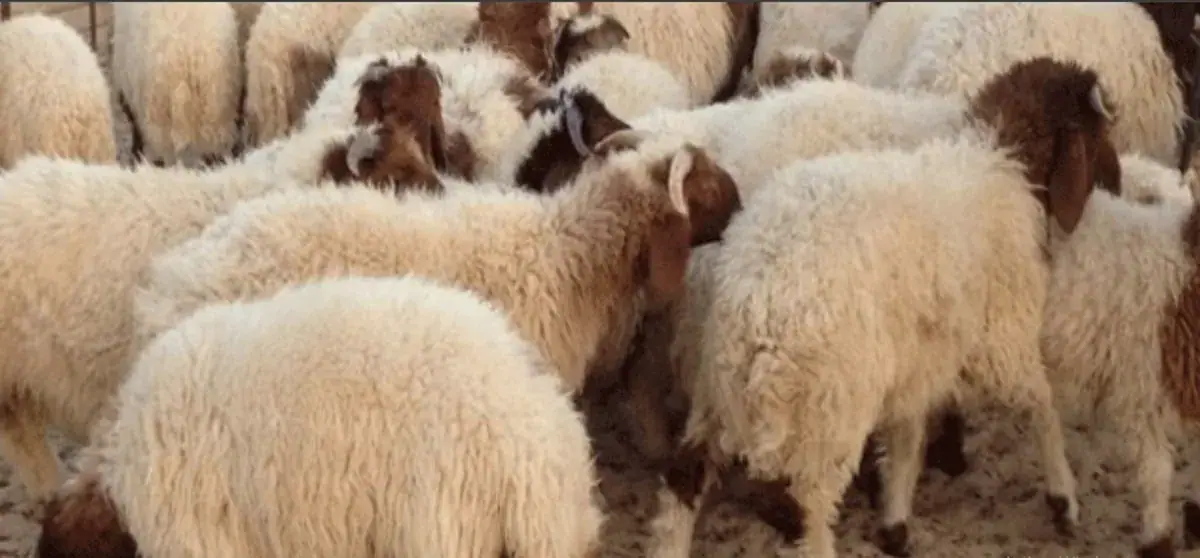
Tunisia's Ministry of Agriculture has announced plans to allocate nearly $40 million to a program aimed at rebuilding the country's national livestock by 2030. The initiative, set to start in early 2027, will focus on supporting the acquisition of breeding females, revitalizing milk and red meat production, and strengthening the capabilities of local breeders. This move is part of a broader effort to enhance the country's agricultural sector.
The program will dedicate $35 million to supporting self-financing for breeders looking to acquire pregnant heifers, with an additional $5 million allocated as subsidies for livestock farming. When combined with investment incentives provided by the Agricultural Investment Promotion Agency (APIA), public support could reach up to 65% of the acquisition cost of the animals. The goal is to integrate 19,600 breeding females into the national livestock by 2030.
According to the Ministry's projections, this initiative is expected to increase annual milk production by 86 million liters and red meat production by 2,100 tons. This development comes amid challenges in supply and tensions in national milk and meat production. The Ministry of Agriculture is also working to improve financing mechanisms for the cereal and olive oil sectors, with a new $100 million financing line planned for the period 2027-2030.
In the poultry sector, the Minister reported a rise in monthly poultry meat production, from 13,700 to 16,000 tons. The department aims to maintain this level until the end of 2027. For consumption eggs, authorities plan to better regulate production by controlling quotas for laying hens and making the slaughter of hens at the end of their cycle mandatory, in order to limit parallel production.
For the 2026-2027 cereal campaign, programmed areas have reached approximately 1.095 million hectares, including 855,000 hectares in the North and 240,000 hectares in the Center and South. Irrigated areas represent around 77,000 hectares. In terms of inputs, 313,000 quintals of selected seeds have been made available to regions, out of a total program of 492,000 quintals, representing a availability rate of around 64%.
To support farmers, a $30 million financing line has been established with the Tunisian Solidarity Bank (BTS), with advantageous financing conditions. The Ministry of Agriculture is also working to enhance the capabilities of local breeders and improve the overall efficiency of the agricultural sector.
The initiatives announced by the Ministry of Agriculture reflect the government's commitment to revitalizing the country's agricultural sector, particularly in the areas of livestock and cereal production. With the implementation of these programs, Tunisia aims to improve its food security, increase production, and provide better support to local farmers and breeders.
Key points
- The program aims to integrate 19,600 breeding females into the national livestock by 2030.
- The initiative is expected to increase annual milk production by 86 million liters and red meat production by 2,100 tons.
- A new $100 million financing line is planned for the cereal and olive oil sectors for the period 2027-2030.