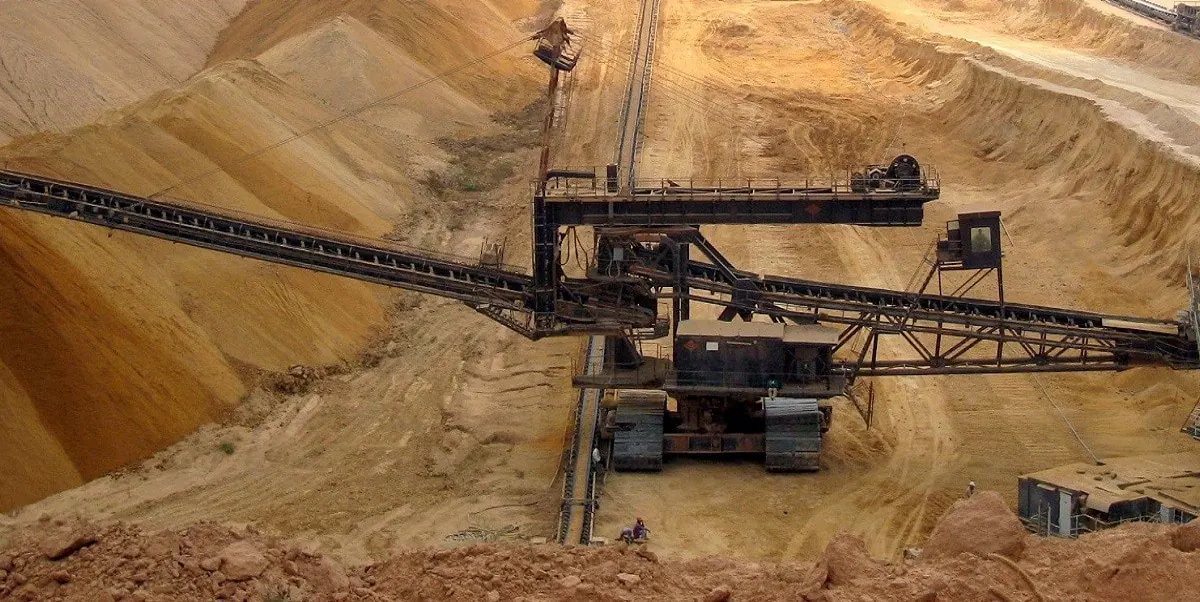
Tunisia is striving to revitalize its phosphate sector and regain a prominent position in the global market. According to Salah Zouari, Minister of Equipment and Housing, in charge of managing the Industry, Mines, and Energy department, this goal will be achieved by developing mining research, exploiting resources, and opening the sector to private investments. This strategy was outlined during a roundtable discussion at the 5th edition of the Egypt Mining Forum, held on September 28-29 in Egypt.
Salah Zouari emphasized the need for better coordination among stakeholders and highlighted the importance of providing necessary advantages and digital geological data to Tunisian and foreign investors. This move aims to promote mining research and exploitation. The minister also underscored that the mining sector is a vital component of Tunisia's economy, given the country's diverse resources, including lead, zinc, iron, salts, potash, and phosphates.
The phosphate sector is of particular significance, as its production had reached 8.13 million tons in 2010 but significantly declined thereafter. In 2019, production stood at 3.88 million tons, considerably lower than pre-2011 levels, according to the Ministry of Energy and Mines. This situation highlights the importance attached by authorities to reviving mining activity and developing new capacities.
Salah Zouari also stressed the importance of regional integration and developing local value chains. The objective is to support high-value-added industries, reduce dependence on imported inputs, and create new export opportunities. He advocated for increased complementarity between the public and private sectors, as well as enhanced expertise exchange between African and Arab countries, particularly in mineral treatment and refining.
The minister called for the accelerated adoption of modern mining technologies. The 5th edition of the Egypt Mining Forum, held in Cairo on September 28-29, 2026, brought together government officials, mining companies, investors, and sector experts. The event focused on exploration opportunities and mining development, solidifying its international character.
Tunisia's efforts to revitalize its phosphate sector are crucial for the country's economic growth. By leveraging investments, geological data, and private partnerships, the country aims to increase its production and regain a leading role in the global market. The phosphate sector's revival is expected to have a positive impact on Tunisia's economy, creating new opportunities and jobs.
The Egyptian forum provided a platform for stakeholders to discuss challenges and opportunities in the mining sector. With a focus on collaboration and innovation, the event aimed to drive growth and development in the industry. As Tunisia moves forward with its plans to revitalize its phosphate sector, it is likely to have a significant impact on the country's economic prospects.
Key points
- Tunisia aims to increase its phosphate production and regain a leading role in the global market.
- The country's mining sector is a vital component of its economy, with diverse resources including phosphates, lead, and zinc.
- Salah Zouari emphasized the importance of private investments, geological data, and modern technologies in driving the sector's growth.