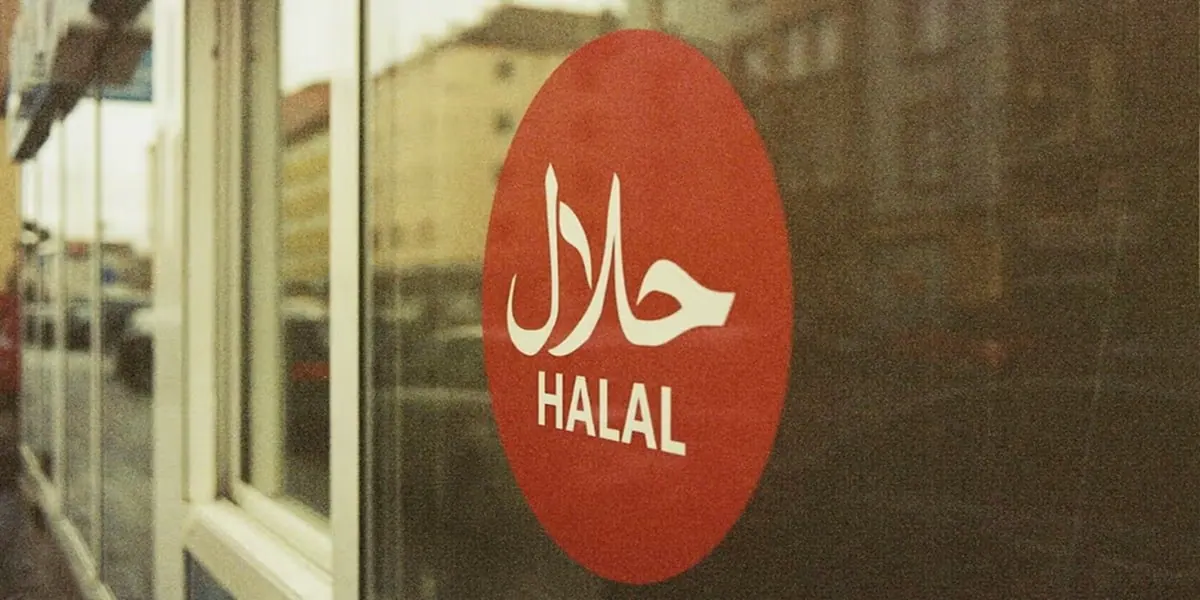
Tunisia is looking to enhance its position in the halal economy, with the goal of increasing its exports in this sector. The halal economy, which includes products and services certified as permissible under Islamic law, is estimated to be worth $9 billion annually. According to the Director-General of the Islamic Center for Development of Trade (CIDC), Tunisia has significant potential in this sector, particularly in areas such as agri-food products, olive oil, seafood, financial services, tourism, and cosmetics.
The development of halal certification for agri-food products and the promotion of their exports are key strategies being explored. The CIDC Director-General also emphasized the need to strengthen tourism and telecommunications services, as well as logistical capabilities. To achieve this, he suggested concluding agreements between Tunisia and other member countries of the Organization of Islamic Cooperation (OIC), as well as with Asian, Arab, and African partners.
The creation of a Higher Halal Council, under the auspices of the Ministry of Trade and Export Development, is also being proposed. This council would bring together various stakeholders, including the UTICA, FIPA, CEPEX, and the Ministry of Industry. The aim would be to better coordinate the development of the halal industry, regulate trade and investment, and strengthen Islamic finance through an adapted legal framework.
According to Mourad Ben Hassine, CEO of CEPEX, there are currently around 40 enterprises in Tunisia operating in the halal economy, up from 20 in 2023. He highlighted the opportunities available to Tunisian companies, noting that the country aims to play a bridging role between European and African markets. Ben Hassine also announced that Tunisia is expected to host the Global Halal Summit in 2027, organized by the Islamic Organization for Metrology and Standards.
The halal sector in Tunisia has generated approximately 1.3 billion dinars in exports, primarily in food products. However, Kais Belaid, President of FIBGN Global Business Network, identified several challenges facing Tunisian companies, including access to markets, standards, buyers, and investors. He noted that Muslim consumer spending reached around $2600 billion in 2024 and is expected to approach $3560 billion by 2029.
The importance of Islamic finance was also emphasized, with assets estimated at around $6000 billion. Samir Abid, Minister of Trade and Export Development, stressed the need to build a Tunisian and African offer that meets the requirements of the halal market. This involves developing products and services that comply with Islamic law and can compete in the global market.
The first edition of the International Halal Forum, held on September 29-30, 2026, brought together various stakeholders to discuss the potential of the halal economy in Tunisia. The forum aimed to promote dialogue and cooperation between companies, governments, and international organizations to develop the halal sector in Tunisia and Africa.
Key points
- Tunisia aims to increase its exports in the halal economy, a market worth $9 billion annually.
- The country has significant potential in areas such as agri-food products, olive oil, seafood, financial services, tourism, and cosmetics.
- The development of halal certification and the promotion of exports are key strategies being explored to boost Tunisia's presence in the halal economy.