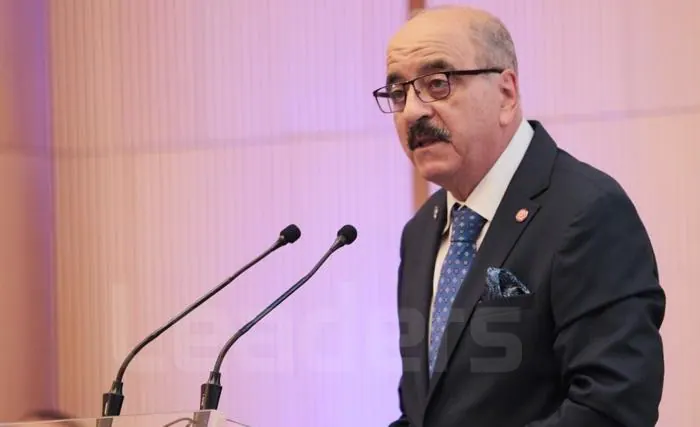
Tunisia's Foreign Minister, Mohamed Ali Nafti, recently opened a national workshop on accessing climate financing, emphasizing the need to transform the country's climate ambitions into tangible projects. He stressed that the transition to a climate-resilient economy presents both a challenge and an opportunity for Tunisia to accelerate its modernization. The country's climate ambitions are clear, with a focus on mobilizing climate financing to support national priorities.
Tunisia has committed to being a proactive actor in climate action, both nationally and internationally. The country has strengthened its commitments under the Paris Agreement and is working to implement its Nationally Determined Contribution (NDC) 3.0, which has significantly elevated its climate ambitions. The transition to a climate-resilient and environmentally sustainable economy is also a key component of Tunisia's 2026-2030 development plan. However, achieving these ambitions requires significant investment and financing.
Minister Nafti noted that climate financing is not solely an environmental issue, but also a matter of development, investment, and economic transformation. He recently highlighted this point at the UN Climate Action Summit in New York, where discussions emphasized the need for increased climate action and expanded access to affordable financing for developing countries. The current level of climate financing mobilization in Tunisia falls short of the country's potential and needs.
To address this challenge, Tunisia needs to mobilize more resources and explore innovative financing mechanisms. The country can leverage the diversity of available instruments, including concessional loans, guarantees, and blended financing. Minister Nafti also called for the conversion of debt into climate and development investments, which can create fiscal space and direct resources towards priority projects. The Economic and Social Commission for Western Asia (ESCWA) has been supporting Tunisia in this area.
Tunisia's diplomatic network also plays a crucial role in mobilizing climate financing. The country's diplomacy has prioritized climate and environmental financing, particularly during the 81st session of the UN General Assembly in New York. The diplomatic network can identify opportunities, facilitate dialogue with partners, and promote Tunisian projects that can benefit from international financing. Effective coordination among national actors is also essential for successful climate financing.
The national workshop aims to bring together national expertise and international experiences to better understand the expectations and criteria of different financing mechanisms. The goal is to identify concrete solutions and develop a more coherent and proactive approach to mobilizing climate financing. This includes strengthening coordination among institutions, economic actors, and territorial authorities, as well as developing a robust portfolio of structured and bankable projects.
Ultimately, Tunisia's objective is to transform its climate ambitions into concrete investments and projects that yield tangible results. The country aims to move from isolated projects to more comprehensive programs and from a focus on financing to a strategic approach to resource mobilization. By doing so, Tunisia can achieve its climate goals and accelerate its transition to a more resilient and sustainable economy.
Key points
- Tunisia needs to mobilize more resources to achieve its climate ambitions.
- The country is exploring innovative financing mechanisms, including debt conversion and blended financing.
- Effective coordination among national actors is crucial for successful climate financing.