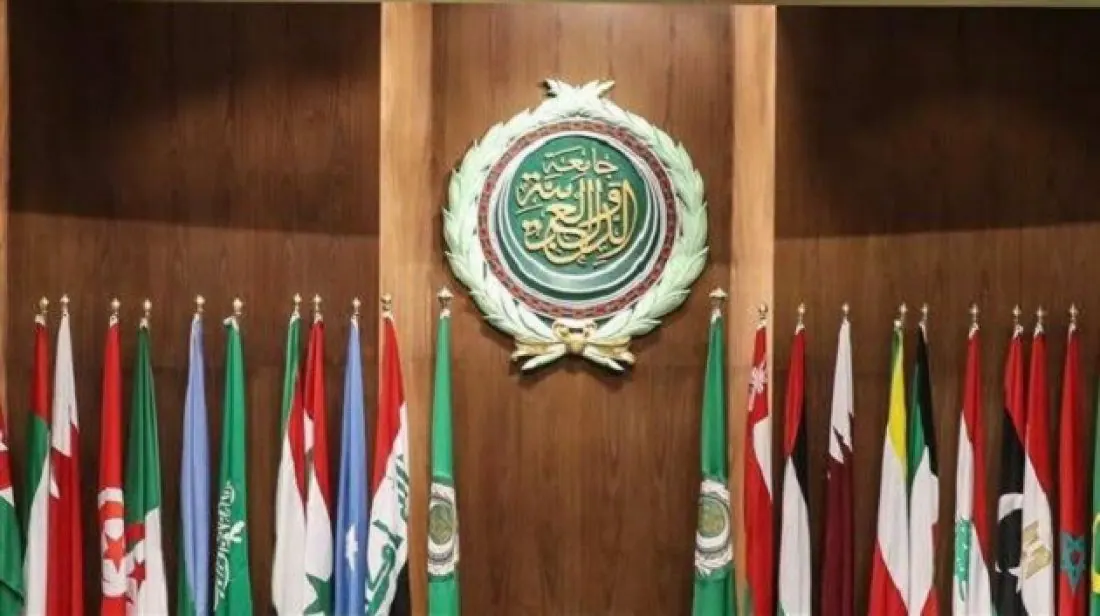
The Arab League's General Secretariat is working to increase the share of intra-Arab trade in the total foreign trade of Arab countries to 25% by 2030, up from around 14% in recent years. This was announced by Ahmed Nizar Jamil, Director of Arab Economic Integration at the Arab League's General Secretariat. The goal is to strengthen economic ties among Arab nations.
Jamil made these remarks during a two-day workshop in Tunis, titled "Promoting the Benefits of the Greater Arab Free Trade Area." The event, which started on September 21, 2026, aims to introduce representatives of Tunisia's private sector to the advantages of the Arab free trade zone and explore ways to benefit from it. This initiative seeks to enhance and support Tunisia's external trade with Arab countries.
The Arab League has focused on integrating the private sector into the free trade zone, recognizing its crucial role in driving the economy, production, and trade. To achieve this, the League is working on a project to establish a framework for private sector involvement in the free trade zone. The project has been submitted to member states for feedback.
Jamal Alaila, Director General of the Economic and Commercial Cooperation Department at Tunisia's Ministry of Trade and Export Development, highlighted the workshop's objectives. These include explaining the content of the Arab Free Trade Area agreement, its annexes, and the preferential benefits it offers. The workshop also aims to initiate a direct discussion with the private sector on challenges facing Tunisian exports to Arab markets.
One of the key benefits of the Arab Free Trade Area is the complete exemption from customs duties and taxes since January 2005, provided that certain conditions are met, including rules of origin. The Ministry of Trade and Export Development, along with the Export Promotion Center and Chambers of Commerce and Industry, are working to promote these rules. This will enable the private sector to benefit from the advantages offered by the rules of origin.
The workshop, attended by representatives from the public sector and Chambers of Commerce and Industry, seeks to address obstacles hindering Tunisian exports to Arab markets. Participants are exploring ways to overcome these challenges and enhance trade cooperation between Tunisia and other Arab countries. This effort aims to increase trade exchange and strengthen economic relations.
By promoting the benefits of the Arab Free Trade Area, Tunisia aims to increase its exports to Arab markets and boost its economic growth. The country's private sector is expected to play a significant role in this endeavor, leveraging the advantages offered by the free trade zone to expand its trade activities in the region.
Key points
- The Arab League aims to raise the share of intra-Arab trade to 25% by 2030.
- Tunisia hosts a workshop to promote the benefits of the Arab Free Trade Area to its private sector.
- The Arab Free Trade Area offers complete exemption from customs duties and taxes for eligible products.