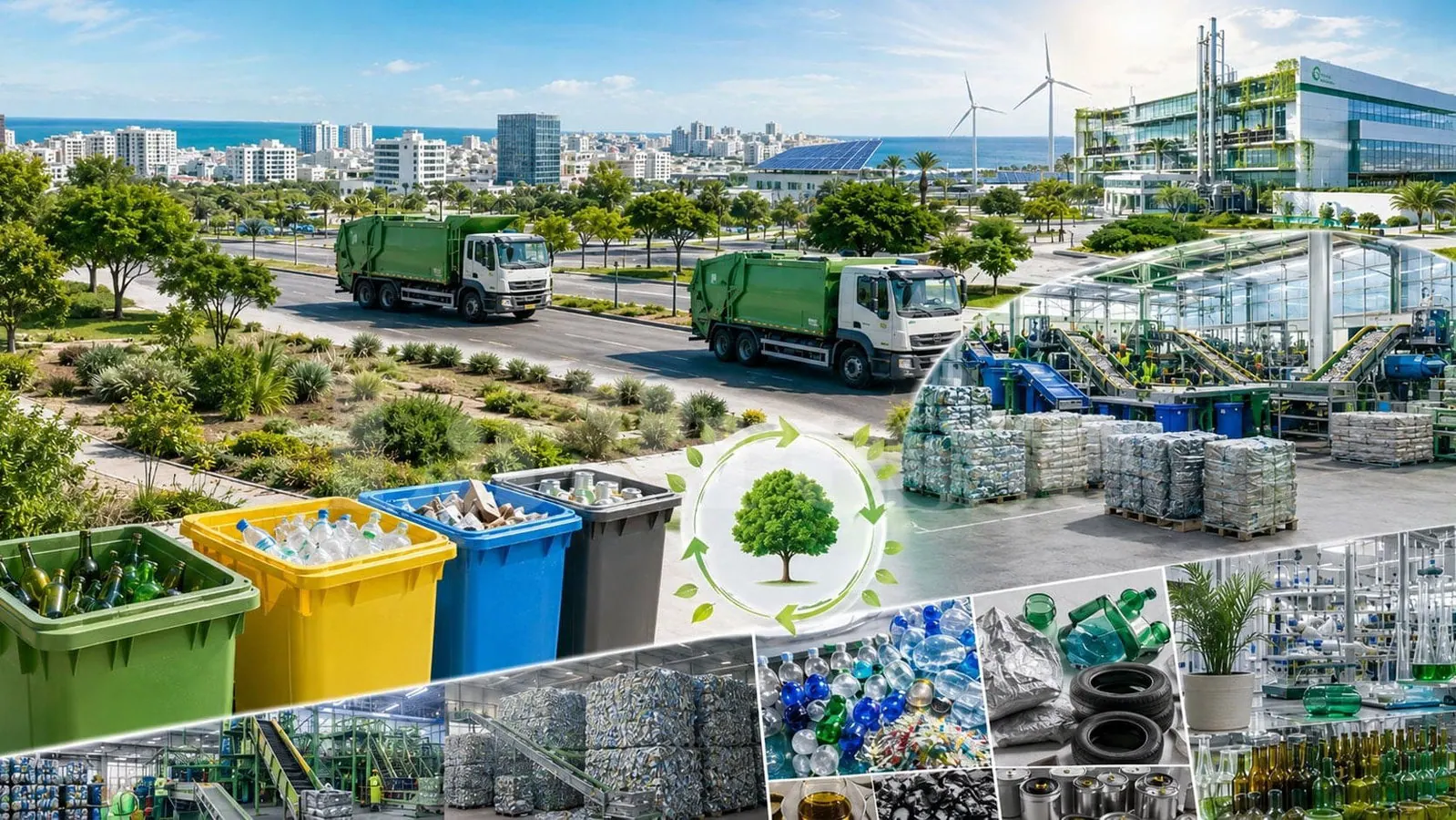
Tunisia has initiated a five-year project to promote the concept of "zero waste" in 28 municipalities of the Greater Tunis region. The project, funded by the Global Environment Facility (GEF) with $4.9 million, or approximately 15 million dinars, focuses on managing and valorizing organic, plastic, and chemical waste. The initiative aims to change the approach to waste management, viewing it not only as a source of pollution but also as a source of wealth, income, and jobs.
The project, coordinated by Nesrine Kdiri, seeks to build on existing projects and studies dedicated to waste valorization in Tunisia. It aims to integrate these initiatives into a clear plan and strategy for the Greater Tunis region, establishing the necessary mechanisms for implementation. According to Kdiri, Tunisia already has several projects and studies focused on waste valorization, which the new project will develop and integrate into a comprehensive strategy.
Nesrine Kdiri believes that Tunisia has the capacity to achieve the "zero waste" goal, although the concept is not yet widely applied on the ground. Despite efforts by municipalities to collect waste and raise citizen awareness, the project will prioritize educating Tunisians on the importance of not littering. Kdiri emphasized that the project will focus on changing behaviors and promoting a culture of waste management and valorization.
The project will also address the social protection and support of workers involved in waste collection and sorting, known as "barbécha." Kdiri stressed the need to provide these workers with adequate protection and training to enable them to play a full role in the waste management and valorization chain. This aspect of the project aims to improve working conditions and integrate these workers into the formal economy.
The initiative is part of a broader effort to promote sustainable waste management practices in Tunisia. By adopting a new approach to waste management, the country aims to reduce pollution, create jobs, and generate income from waste materials. The project's focus on education and social protection reflects a comprehensive understanding of the challenges involved in achieving the "zero waste" goal.
According to Kdiri, the project's success will depend on the active participation of citizens, municipalities, and other stakeholders. The project will work to raise awareness about the importance of proper waste management and the benefits of valorizing waste materials. By engaging citizens and local authorities, the project aims to create a cultural shift towards sustainable waste management practices.
The project's impact is expected to be significant, with potential benefits for the environment, economy, and society as a whole. If successful, the initiative could serve as a model for other regions in Tunisia and beyond, demonstrating the feasibility of achieving the "zero waste" goal. The project's outcomes will be closely watched by stakeholders, who hope to see a tangible reduction in waste and an improvement in waste management practices.
Key points
- The project aims to promote a new approach to waste management in Tunisia, viewing waste as a source of wealth, income, and jobs.
- The initiative focuses on managing and valorizing organic, plastic, and chemical waste in 28 municipalities of the Greater Tunis region.
- The project prioritizes education and social protection, aiming to change behaviors and improve working conditions for waste collectors and sorters.