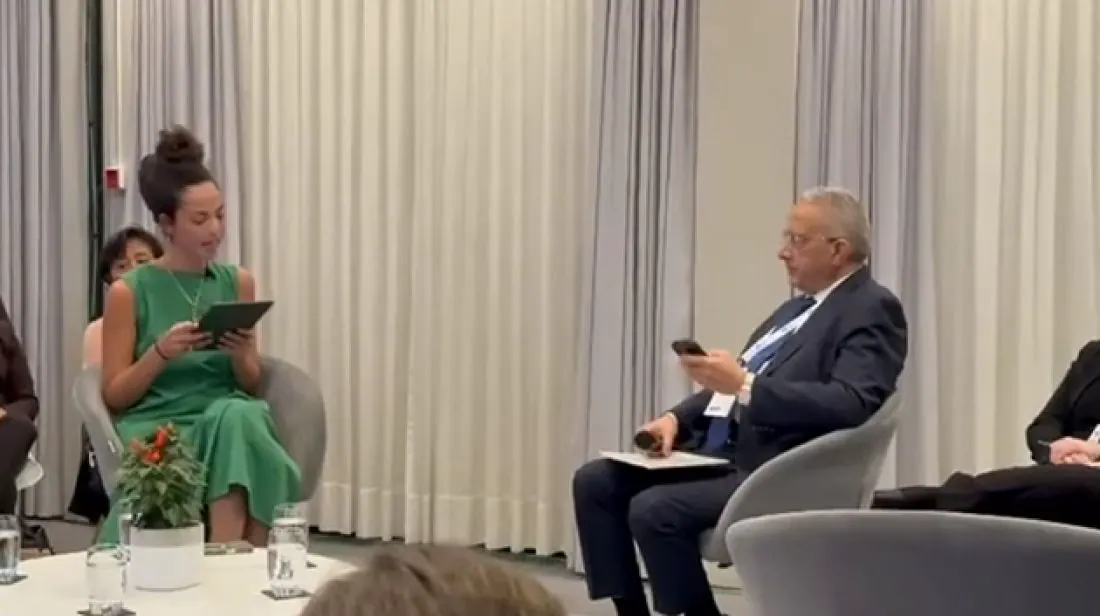
Tunisia has called for the adoption of integrative traditional medicine and ensuring access to precision medicine for all as a human right. This was stated by Minister of Health, Mustafa Al-Ferjani, during his participation in the Global Health Summit held in Berlin, Germany. The summit, which took place from October 11 to 13, 2026, brought together over 4,000 participants from 140 countries.
Minister Al-Ferjani highlighted the potential of traditional knowledge in improving human health, emphasizing the need for scientific research to validate its efficacy, quality, and safety. He stressed the importance of linking traditional knowledge with scientific research, ensuring patient safety, and connecting medicinal plants and biodiversity with the "One Health" approach.
The Minister also underscored the significance of precision medicine, urging that all countries, particularly developing ones, should benefit from rapid scientific and technological advancements in various health and scientific fields. Tunisia's experience in digitalization and telemedicine was showcased, including the connection of 32 hospitals to a remote medical imaging system.
According to Minister Al-Ferjani, Tunisia has made notable progress in digital health, with over 120,000 medical examinations conducted remotely within a year. A unified health identifier for each Tunisian citizen is expected to be implemented by the end of 2026, aiming to enhance the quality of healthcare and make it more accessible to citizens in rural areas.
The Global Health Summit, themed "From Crisis to Resilience: Innovation for Health," featured over 75 working sessions focusing on healthcare system financing, pandemic preparedness, and reducing maternal and child mortality rates. Minister Al-Ferjani's participation in the summit reflects Tunisia's commitment to advancing global health initiatives.
The summit provided a platform for countries to share experiences and innovative solutions in healthcare. Tunisia's advocacy for integrative traditional medicine and precision medicine aligns with the global effort to enhance healthcare systems and make them more resilient in the face of crises.
The event concluded with a renewed commitment to global cooperation in healthcare, emphasizing the need for innovative approaches to address current and future health challenges. Tunisia's participation in the summit underscores its role in promoting comprehensive and accessible healthcare solutions.
Key points
- Tunisia calls for integrative traditional medicine and precision medicine for all.
- The country showcases its experience in digitalization and telemedicine.
- The Global Health Summit highlights the need for innovative healthcare solutions.