The ELMED project, a significant electrical interconnection between Tunisia and Italy, is making substantial progress. Key contracts for the conversion stations and submarine cable have been awarded, with the financing for reinforcing the Tunisian electrical grid currently under parliamentary examination. The infrastructure is expected to be operational between 2028 and 2030. According to an update by the Tunisian cabinet AIUS on November 4, the main components' contracts have been awarded.
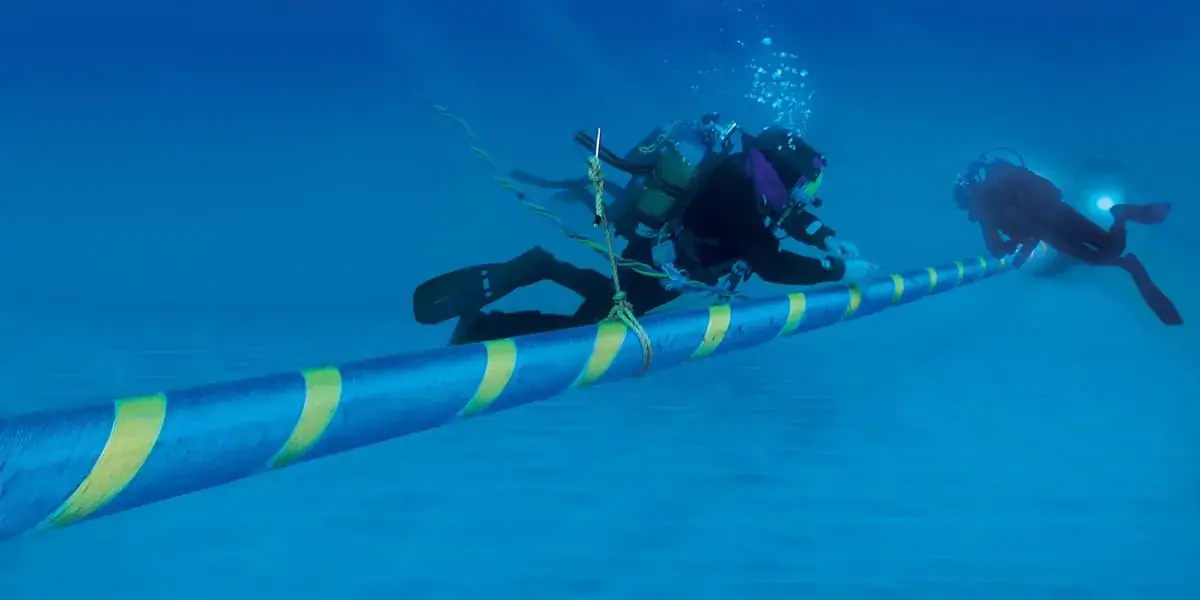
In June 2026, the Société tunisienne de l’électricité et du gaz (STEG) and its Italian counterpart Terna awarded Hitachi Energy the contract to build two conversion stations for approximately 770 million euros. These stations will be located in Mlaabi, Tunisia, and Partanna, Sicily. The submarine cable contract was awarded to the Italian group Prysmian for around 460 million euros. This cable will connect the two countries across the Strait of Sicily, spanning about 200 kilometers underwater.
The ELMED interconnection will have a bidirectional transport capacity of 600 megawatts and will operate with high-voltage direct current (HVDC) at up to 500 kilovolts. The total investment cost is estimated at approximately 1.42 billion euros. Financing for the project includes several international contributions, such as a 307.6 million euro European subsidy and funding from the World Bank. Various loans have also been granted by the European Bank for Reconstruction and Development (EBRD), the European Investment Bank, and the German bank KfW.
Beyond the submarine cable connecting the two Mediterranean shores, the project requires significant investments in the national electrical grid. Known as ELMED II, this component includes constructing a 400-kilovolt overhead power line between Grombalia and Kondar. This line will span approximately 85 kilometers through the governorates of Nabeul, Ben Arous, Zaghouan, and Sousse. Additional connection infrastructures will extend the new 400-kilovolt circuits to about 105 kilometers.
The ELMED II project, specifically the Grombalia-Kondar line, is crucial for strengthening the Tunisian grid. The project has secured 43 million euros in financing from the EBRD, with a state guarantee. The financing and guarantee agreement was signed on January 15, 2026. On November 2, the Assembly of People's Representatives' bureau forwarded the draft law No. 66/2026, related to approving the convention, to the finance and budget committee.
The successful implementation of ELMED and ELMED II will significantly enhance Tunisia's electrical infrastructure and its integration with European networks. The project aims to improve the reliability and efficiency of the Tunisian electrical grid, supporting the country's energy security and economic development. The reinforcement of the national grid will also facilitate the integration of renewable energy sources.
As the project moves forward, it will be essential to monitor the progress of both the ELMED interconnection and the ELMED II grid reinforcement. The project's impact on Tunisia's energy landscape and its ability to meet increasing electricity demands will be closely watched. With key contracts awarded and financing in place, the stage is set for the project's next phases.
Key points
- The ELMED project involves a 600MW electrical interconnection between Tunisia and Italy.
- Major contracts for conversion stations and submarine cable have been awarded.
- Financing for grid reinforcement is under parliamentary review.