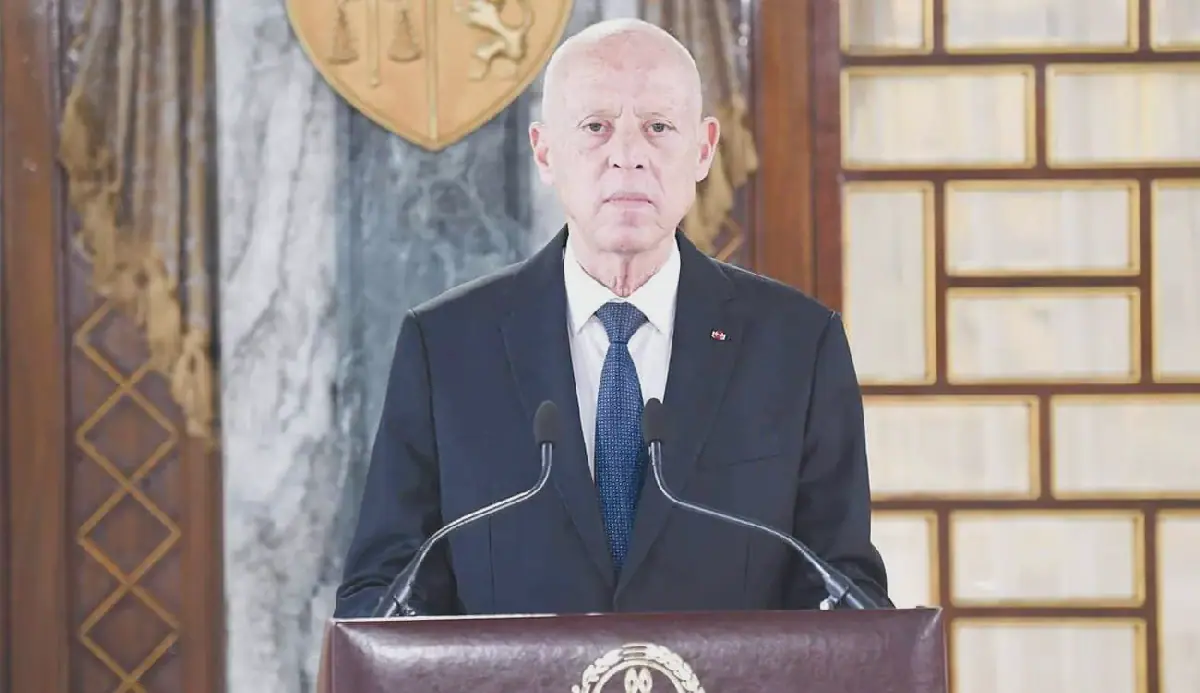
Tunisia is embarking on a significant digital transformation, with a focus on modernizing the state and improving public services. The country's President has emphasized the importance of this transition, highlighting its role as a strategic pillar for rebuilding the Tunisian state, promoting administrative modernization, transparency, and combating corruption. This effort aims to create a more equitable society, benefiting all citizens across the country's diverse regions.
The digital transition in Tunisia is backed by a comprehensive strategy that includes expanding high-speed internet, enhancing cybersecurity, and promoting open data. The integration of artificial intelligence is also a key component, aimed at driving economic and social development. According to the President, digitalization is a crucial tool for rationalizing procedures, reducing intermediaries, and eliminating unnecessary steps. This initiative has already led to the launch of several online services, including the "Khadamet" mobile application, which enables citizens to complete administrative tasks remotely.
The Tunisian government has made significant progress in its digital transition efforts, with over 114 projects currently underway. The year 2026 has been designated as the starting point for numerous online services, including the "Khadamet" application, which allows citizens to access administrative services and make electronic payments. This push for digitalization is part of a broader plan to enhance the country's competitiveness and productivity.
President Kaïs Saïed has highlighted the significance of the digital revolution, describing it as a "historic turning point." However, he also cautioned against potential risks associated with digital advancements, emphasizing the need for Tunisia to adapt to these changes while safeguarding its values and preventing the misuse of communication technologies for manipulation or disinformation.
To ensure the safe and equitable use of technology, the Tunisian government recognizes the importance of developing AI ecosystems based on expertise and knowledge. This involves creating policies and legislation to regulate the use of technology and ensure it serves the country's economic and social development goals. The government aims to make 2027 a pivotal year for digital transition, focusing on dematerializing administrative procedures, achieving digital sovereignty, and developing infrastructure.
The Minister of Communication Technologies has announced plans to accelerate structural reforms and continue strategic national projects, with a focus on digitalizing in-demand services and launching major projects. The authorities are prioritizing several key areas, including the comprehensive digitalization of public services, enhancing digital sovereignty, and developing artificial intelligence applications.
The digital transition in Tunisia is expected to have a significant impact on the country's economic and social development. With the President's support, the government aims to integrate technology into development processes, improving the performance of economic sectors and enabling enterprises to adapt to international technological changes. The digital transition is a key component of Tunisia's development plan for 2026-2030.
Key points
- Over 114 digital transition projects are currently underway in Tunisia.
- The "Khadamet" mobile application enables citizens to access administrative services and make electronic payments.
- The Tunisian government aims to make 2027 a pivotal year for digital transition.
Reporting sources
- Transition numérique soutenue par le Chef de l’état : L’État à l’heure du digital · La Presse de Tunisie