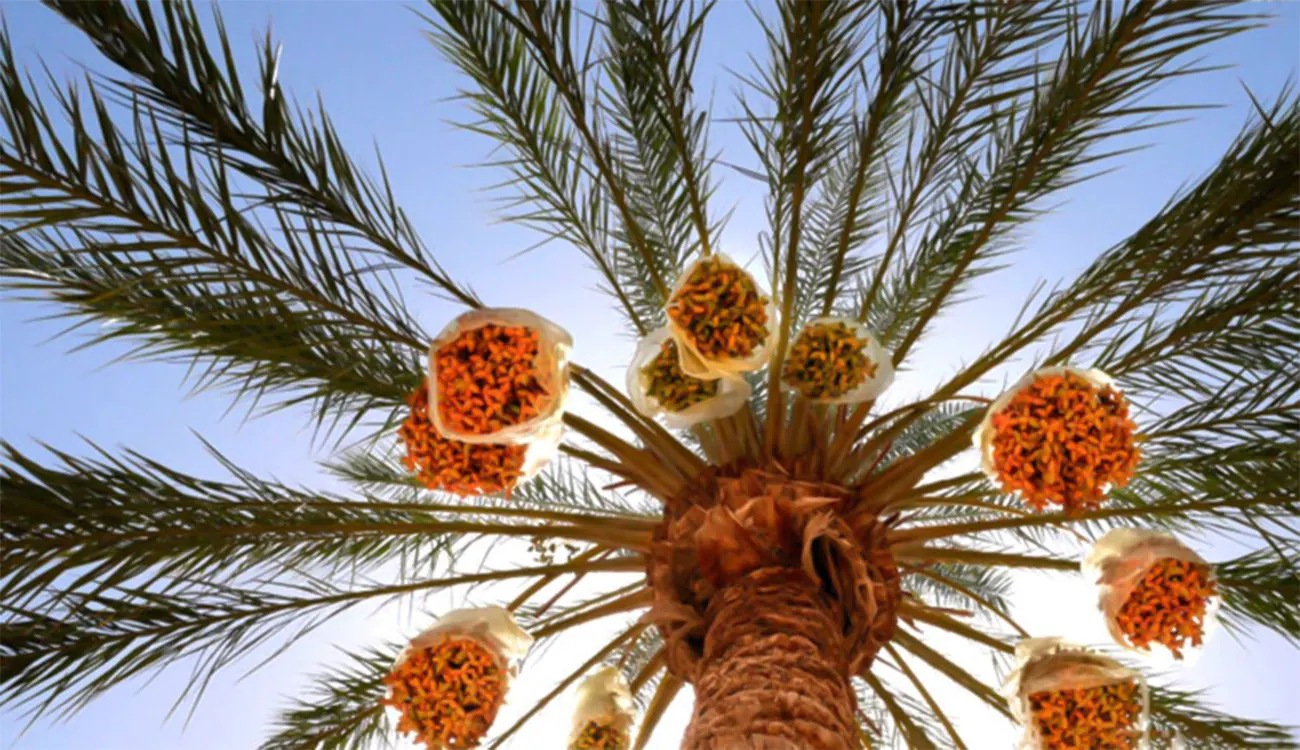
Tunisia's date production has reached an unprecedented level, surpassing 400,000 tons in 2025, according to Aicha Ghzel, Under-Director of Fruits at the General Directorate of Agricultural Production within the Ministry of Agriculture. This milestone marks a significant achievement in the country's agricultural sector. The record production is a notable increase from previous years, where production levels remained steady at around 340,000 to 345,000 tons.
The export revenues from dates have also seen a substantial rise, exceeding one billion dinars in 2025. However, the official figure is yet to be announced as the export season runs from October 1st to September 30th of the following year. Aicha Ghzel attributed the success to Tunisia's prominent position as one of the leading date-exporting countries, both in terms of volume and revenue.
Tunisian dates are highly sought after globally, with exports reaching nearly 90 countries worldwide. The country's date production has been consistently high, with the past few years seeing production levels above 340,000 tons. The Ministry of Agriculture is optimistic about the upcoming harvest, with preliminary estimates suggesting a production volume of between 345,000 and 404,000 tons for 2026.
The majority of Tunisia's date production, approximately 70%, comes from the governorate of Kebili. The region is known for its high-quality dates, particularly the "Deglet Nour" variety. The country's palm groves cover an area of around 61,000 hectares, primarily located in the governorates of Kebili, Tozeur, Gafsa, and Gabès.
The Ministry of Agriculture is focusing on expanding palm cultivation in the governorate of Tataouine, where current surface areas are relatively modest. This initiative aims to increase the country's date production and further establish Tunisia as a leading player in the global date market.
Regarding local market prices, Aicha Ghzel noted that dates are generally affordable and accessible to consumers during the harvest season. However, prices may fluctuate depending on factors such as stock levels, quality, and variety. The average annual consumption of dates per capita in Tunisia stands at around 5-6 kg, which is relatively modest compared to other date-producing countries.
As the country looks to the future, the Ministry of Agriculture is working to promote and support the date industry. With Tunisia's reputation as a top date exporter, the sector is poised for continued growth and success. The upcoming estimates for the 2026 harvest will provide further insight into the country's date production and export prospects.
Key points
- Tunisia's date production reached a record high of over 400,000 tons in 2025.
- Export revenues from dates exceeded one billion dinars in 2025.
- The majority of Tunisia's date production comes from the governorate of Kebili, accounting for around 70% of the country's total production.