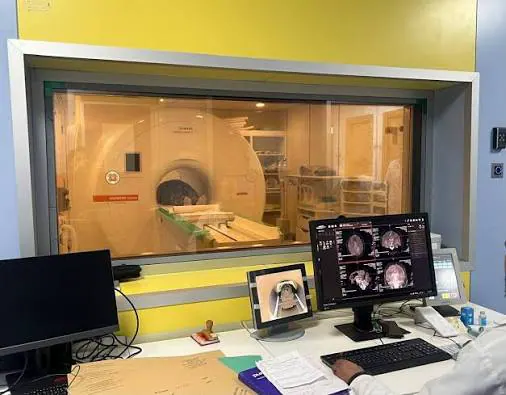
Tunisia's digital hospital has successfully conducted over 100,000 remote radiology exams in its first year of operation. Dr. Seif Boukriba, head of remote medical imaging, announced this achievement on September 29, 2026, during the opening of the International Conference on Digital Health, "2026 telehealth Connect," in Tunis. The conference brought together representatives from over 30 countries.
Dr. Boukriba highlighted that despite initial challenges, the project has made significant progress, with nearly 20 scanners installed in the past year. The digital hospital has enabled approximately 600 virtual clinics per day, operating 24/7. This development has greatly enhanced Tunisia's healthcare services, increasing access to medical care for its population.
The digital hospital's success has sparked interest in expanding its services to other medical specialties. Dr. Boukriba expressed his hope for the widespread adoption of this technology across various medical fields. Currently, work is underway on new projects, including breast imaging and stroke diagnosis.
The implementation of the digital hospital has not only improved healthcare services but also facilitated the exchange of medical expertise. The conference, "2026 telehealth Connect," provided a platform for international collaboration, allowing participants to share knowledge and best practices in digital health.
Tunisia's healthcare sector is witnessing significant advancements, with the digital hospital being a prime example. The country's efforts to integrate technology into healthcare have been evident in recent developments, including the upcoming launch of the national digital portal, "صحتنا" (Our Health).
The growth of digital health services in Tunisia is expected to continue, with plans to extend these services to more areas. Dr. Boukriba emphasized the importance of continued innovation and collaboration in the field of digital health. The success of the digital hospital serves as a model for other countries in the region.
As Tunisia continues to develop its digital health infrastructure, it is likely to have a positive impact on the country's healthcare outcomes. The digital hospital's achievements demonstrate the potential of technology to enhance healthcare services, and its expansion is expected to bring about further improvements.
Key points
- Over 100,000 remote radiology exams were conducted in Tunisia's digital hospital in its first year of operation.
- The digital hospital has enabled approximately 600 virtual clinics per day, operating 24/7.
- Plans are underway to expand the digital hospital's services to other medical specialties, including breast imaging and stroke diagnosis.