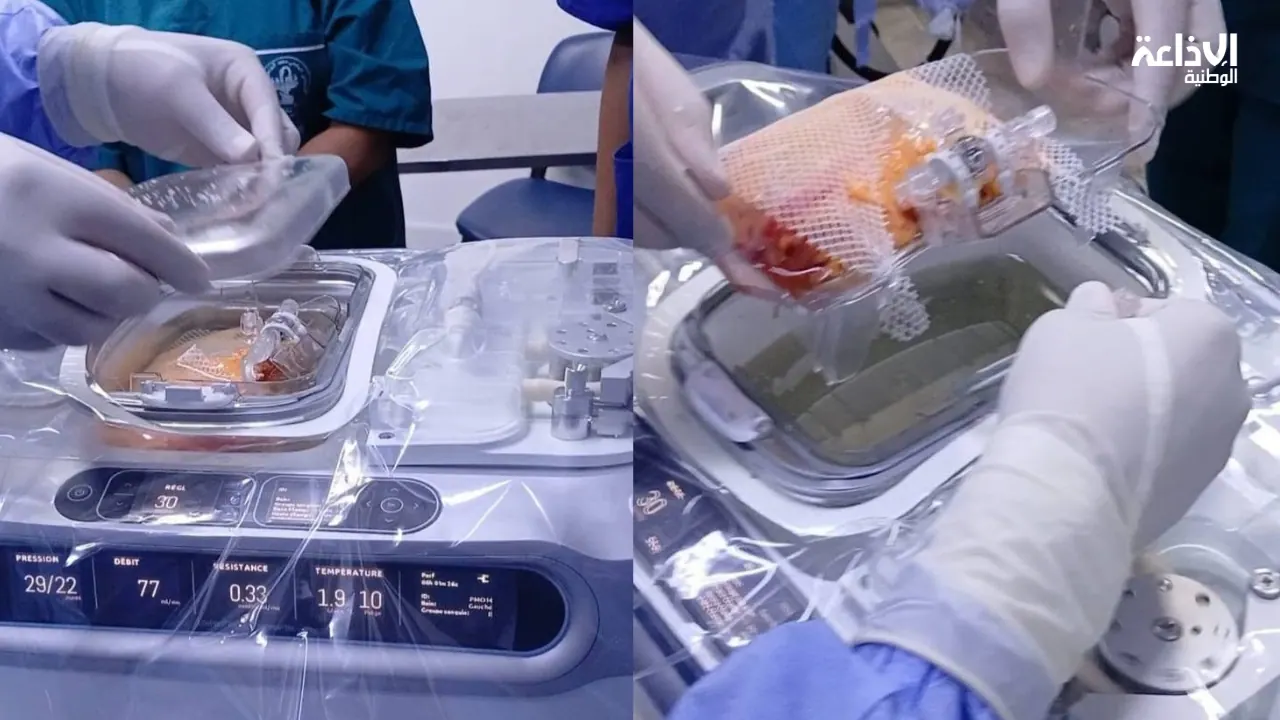
Tunisia's National Center for Organ Transplantation has achieved a significant medical milestone by successfully using the advanced LifePort technology to preserve kidneys for transplant. This breakthrough, accomplished by a Tunisian medical team at Charles Nicolle Hospital in the capital, marks the first time this technology has been used in the country. The LifePort technology utilizes a hypothermic perfusion system, providing a dynamic and closely monitored environment for donated kidneys during the period between donation and transplantation.
The LifePort technology is a significant advancement in organ preservation, allowing for the extension of the preservation period and improving the quality of the organs. This development is expected to positively impact the success rate of transplant surgeries. The National Center for Organ Transplantation emphasized that this technological progress opens up new and tangible prospects for the development of organ transplantation in Tunisia, providing better opportunities for patients on waiting lists.
The successful implementation of LifePort technology in Tunisia is a testament to the country's ongoing efforts to improve its healthcare system. The National Center for Organ Transplantation highlighted the crucial role of medical and paramedical teams in the various stages of organ donation and transplantation. The center's achievement demonstrates the country's commitment to providing high-quality medical care and advancing the field of organ transplantation.
The use of LifePort technology in Tunisia is expected to have a significant impact on the country's organ transplantation program. By improving the preservation of donated kidneys, the technology will help to increase the availability of organs for transplant, ultimately saving lives. The National Center for Organ Transplantation is working to continue improving the country's organ transplantation program, with a focus on providing better care for patients in need.
The successful use of LifePort technology in Tunisia has been praised by medical professionals and officials. The achievement demonstrates the country's ability to adopt and implement advanced medical technologies, further solidifying its position as a leader in the region. The National Center for Organ Transplantation is expected to continue playing a key role in the development of organ transplantation in Tunisia.
The implementation of LifePort technology in Tunisia is part of a broader effort to improve the country's healthcare system. The government has been working to upgrade medical facilities and equipment, as well as provide training for medical professionals. The use of advanced technologies like LifePort is expected to have a significant impact on the country's healthcare outcomes, particularly in the field of organ transplantation.
The National Center for Organ Transplantation is expected to continue working to improve organ transplantation in Tunisia. With the successful implementation of LifePort technology, the center is poised to make further advancements in the field. The center's efforts are focused on providing better care for patients in need, and its achievements demonstrate the country's commitment to improving its healthcare system.
Key points
- Tunisia's National Center for Organ Transplantation successfully uses LifePort technology to preserve kidneys for transplant, a first in the country.
- The LifePort technology utilizes a hypothermic perfusion system, providing a dynamic and closely monitored environment for donated kidneys.
- The successful implementation of LifePort technology in Tunisia is expected to have a significant impact on the country's organ transplantation program.