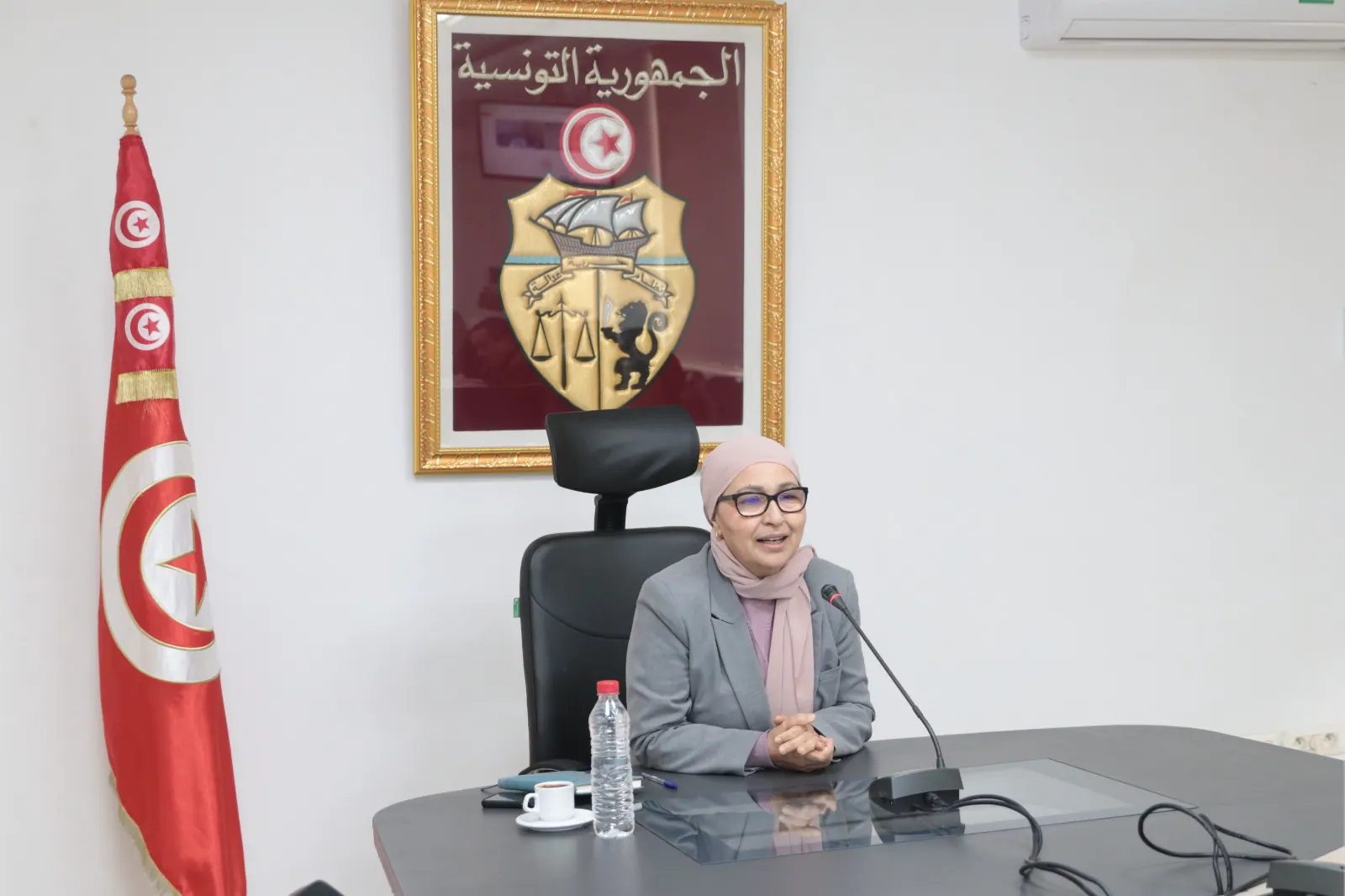
Tunisian Minister of Family, Women, Childhood, and Elderly Affairs, Asma Gabri, stated that Tunisia has accumulated experience in protecting childhood and caring for children without support through a national policy that prioritizes child protection, guarantees their rights, and provides care and support. The policy aims to preserve family ties whenever possible and places the child's best interests at the center of interventions. This approach has been reinforced by a constitutional framework and a legal and institutional system that has consolidated children's rights.
Gabri made these remarks during the opening of the International Meeting of SOS Children's Villages in Hammamet, which brought together representatives from various continents. She emphasized that Tunisia's experience in protecting childhood is built on supporting associative work and strengthening partnerships between state institutions and civil society. In 2019, the Tunisian government partnered with the Tunisian Association of SOS Children's Villages, established in 1981, to help it overcome financial difficulties.
The partnership between the government and the association is considered a model of integration and collaboration between state institutions and associative work in childcare and family support. Gabri highlighted that the Tunisian Association of SOS Children's Villages has made a tangible impact on the lives of thousands of children and families. The association has been providing care and support to children and young people, and its experience will be shared during the international meeting.
The International Meeting of SOS Children's Villages, which takes place under the slogan "Every child has the right to a home," brings together 28 associations from the SOS Children's Villages network from five continents. The meeting provides an opportunity for exchanging experiences, sharing best practices, and strengthening international cooperation in protecting childhood and addressing new challenges.
Gabri stressed that protecting childhood is a shared responsibility and that investing in children is investing in the future. She also highlighted the importance of preserving family ties and providing care and support to children without support. The Tunisian government has been working to strengthen its partnership with civil society to improve childcare services.
The SOS Children's Villages network has been operating in Tunisia for over 40 years, providing care and support to children and families. The association aims to provide a safe and nurturing environment for children who have lost their parents or are at risk of being separated from their families. The meeting in Hammamet will discuss ways to improve childcare services and address the challenges facing children and families.
The International Meeting of SOS Children's Villages in Hammamet will conclude with recommendations and proposals for improving childcare services and strengthening international cooperation. The meeting is expected to contribute to the development of new strategies for protecting childhood and caring for children without support. Key stakeholders, including government officials, representatives of civil society, and experts in childcare, are participating in the meeting.
Key points
- Tunisia has accumulated experience in protecting childhood and caring for children without support through a national policy that prioritizes child protection and guarantees their rights.
- The Tunisian government has partnered with the Tunisian Association of SOS Children's Villages to provide care and support to children and families.
- The International Meeting of SOS Children's Villages in Hammamet aims to strengthen international cooperation in protecting childhood and addressing new challenges.