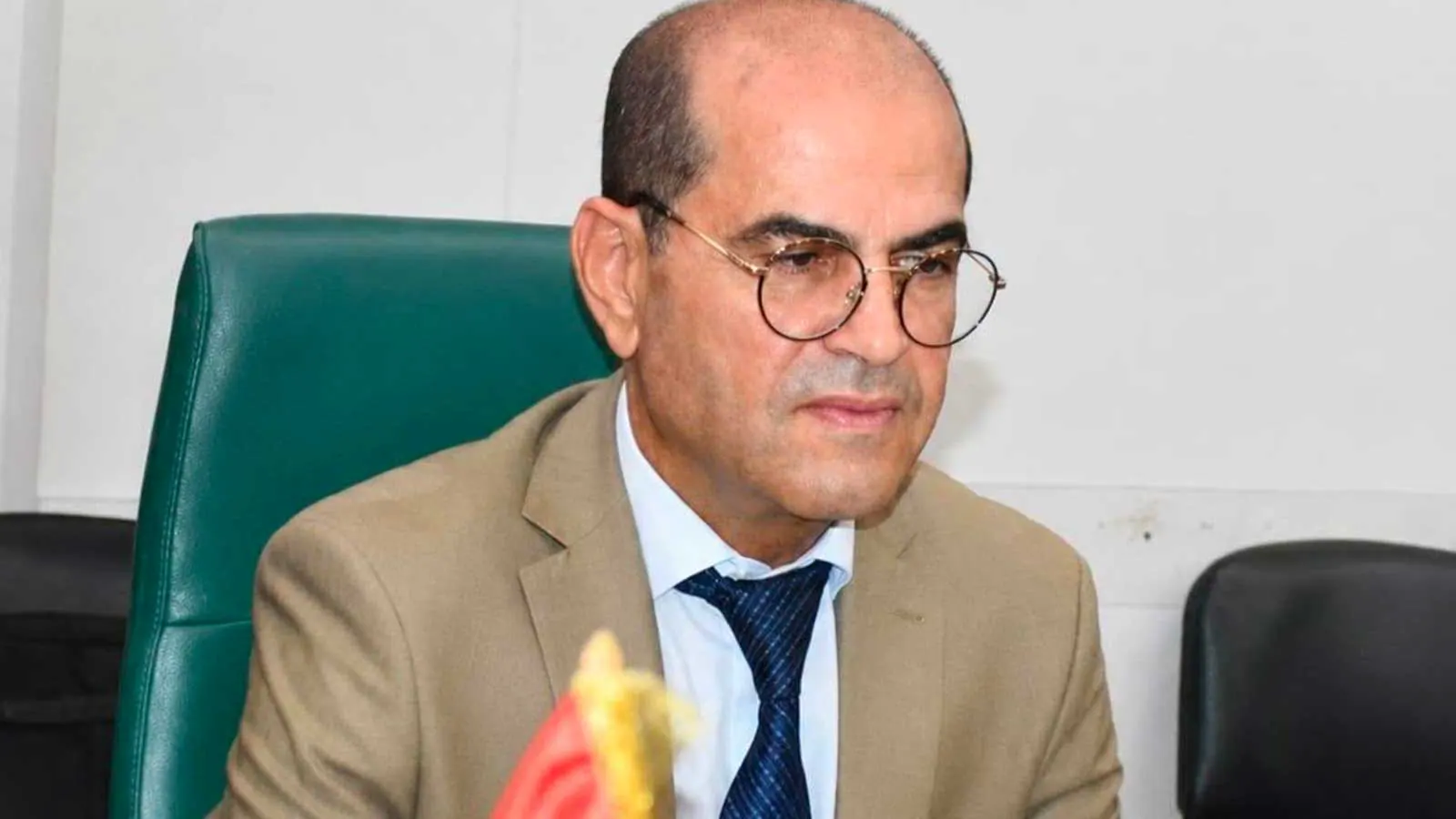
Tunisia's Ministry of Industry, Mines, and Energy has launched a new phase of its national Industry 4.0 strategy, alongside the National Climate Platform. The initiative was introduced at an event in Tunis, attended by representatives from the European Union, German Cooperation, and various industrial and academic stakeholders. This move aims to drive Tunisia's industrial transformation, focusing on modern technologies, digitalization, and artificial intelligence to enhance industrial competitiveness.
Minister of Industry, Slah Zouari, emphasized that Tunisia is entering a new phase of industrial transformation, considering global accelerated changes. He highlighted the adoption of modern technologies, digitalization, and artificial intelligence as key axes for developing industrial enterprises and strengthening their competitiveness. Zouari explained that the transformation program relies on restructuring industrial enterprises and enhancing their competitiveness in a rapidly changing world.
The transformation process, initiated in 2018, has shown progressive results, including the launch of the "E-CAP 1.0" system and the "Tunisian Industrial Management Assessment" platform. These tools aim to evaluate and support industrial enterprises, helping them meet international standards and requirements. The system provides integrated support to enhance enterprise performance and maintain competitiveness in both local and global markets.
The Industrial Promotion and Innovation Agency (APII) plays a vital role in this process, supporting industrial enterprises and providing necessary mechanisms for their development. Around 400 enterprises have benefited from this program, and nearly 2,900 cadres have acquired knowledge related to smart industry. Additionally, approximately 50 new enterprises have joined the system, with specialized centers and structures supporting their digital transformation.
Environmental considerations are integral to the industrial transformation process. Zouari stressed that the evaluation and support system encompasses not only technological and digital aspects but also environmental requirements. The evaluation process considers production methods and environmental concerns, aiming to help Tunisian industrialists meet global specifications and standards, including environmental norms crucial for accessing international markets.
Regarding the energy situation, particularly after recent power outages, Zouari affirmed that the state has assessed the situation and taken measures to prevent future disruptions. The government aims to reduce the intensity of deficits and recorded disturbances through new measures, with results expected to appear progressively. The minister emphasized that the energy sector is a priority, directly linked to the continuity of industrial activity.
The government is accelerating electricity production projects and transition energy initiatives, including those already underway. Zouari confirmed that authorities are studying possibilities to expedite these projects and put them into operation soon, enhancing the electrical system's capacity to meet growing demand. Measures to strengthen production and accelerate transition energy projects are part of the solutions proposed to address recorded challenges.
Key points
- Tunisia's Minister of Industry, Slah Zouari, has announced an emergency plan to secure the electricity grid by summer 2027.