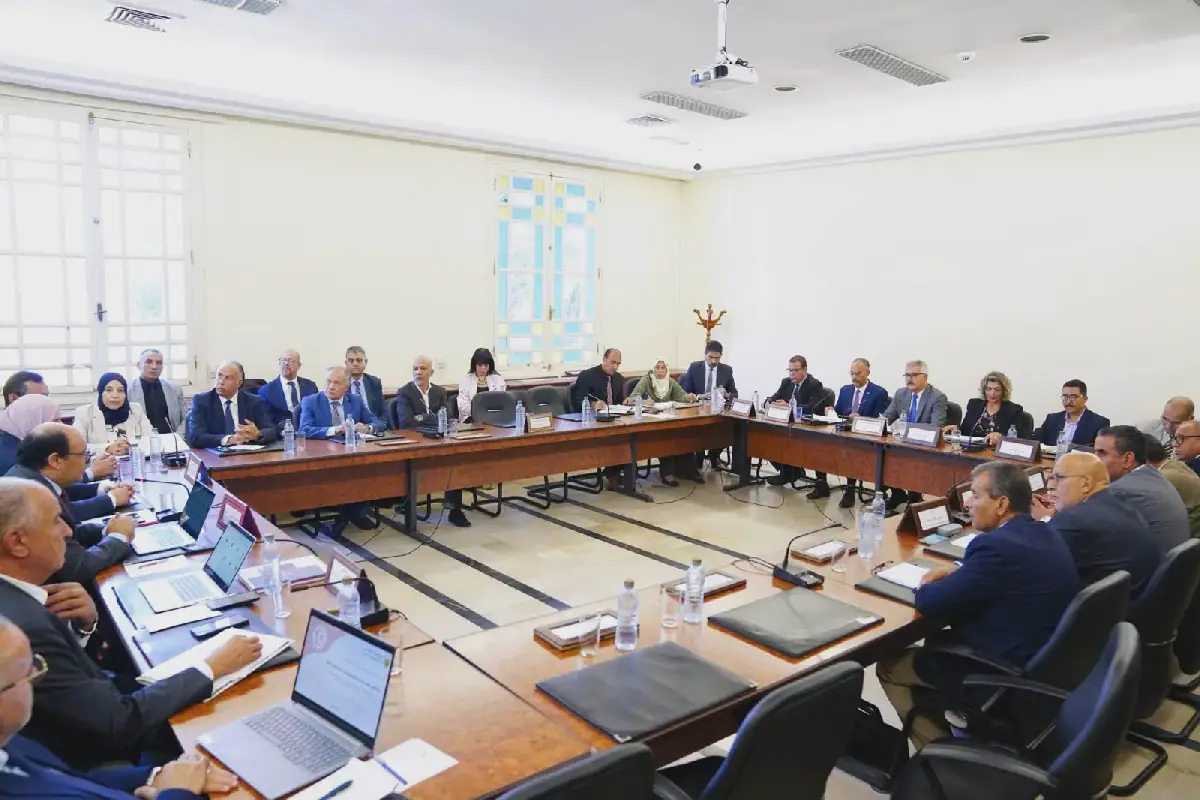
The Tunisian government is pushing forward with its digital transformation agenda, with the Ministry of Communication Technology's 2027 budget set at 1.074 billion dinars, a 9.3% increase from the previous year. This budget aims to accelerate the transformation of public services, develop infrastructure, enhance cybersecurity, and support innovation and the digital economy. The ministry presented its plans to the commission of organization of administration, development, digitization, governance, and anti-corruption on November 6, 2026.
One of the key initiatives is the "Khadamat" platform, launched in August 2026, which provides access to over 40 administrative services via digital identity. An updated version is expected in early 2027, adding services such as residence certificates, driver's license renewals, national ID cards, passports, and municipal tax payments. The ministry is also working on digitizing the national investment portal, school information system, national business registry, and services for Tunisian expats.
Tunisia has made significant progress in its digital infrastructure, with over 422,000 subscribers to fixed internet via 5G and over 280,000 subscribers to fiber-optic internet. Ongoing projects include the activation of the "Medusa" submarine cable, expanding coverage in priority areas, and connecting over 1,310 public structures to the integrated national administrative network.
The digital economy is also a focus area, with approximately 1,400 startups in 2026 and a target of 2,000 in 2027. The Tunisian Post is contributing to financial inclusion through nearly 970,000 postal accounts and around 400,000 active e-Dinar Wallet electronic portfolios. For 2027, the ministry aims to offer 150 digital services via "Khadamat", interconnect 200 public services, and activate 1.5 million digital identities.
The ministry is also planning legislative reforms on data centers, digital platforms, personal data protection, communications, and the ethical use of artificial intelligence. These reforms aim to address concerns around data protection, cybersecurity, and the digital divide. Deputies have welcomed the announced plans but emphasized the need to reduce the digital divide, improve cybersecurity, and develop postal services in regions.
The minister reaffirmed the ministry's commitment to cooperating with the National Assembly to accelerate digital reforms, improve public services, and enhance the competitiveness of the Tunisian economy. The government aims to prioritize the protection of families and children from digital risks.
Key priorities for the 2027 budget include reducing the digital divide, enhancing data protection, and improving cybersecurity. The government's efforts to drive digital transformation and innovation are expected to have a positive impact on the economy and improve public services.
Key points
- The 2027 budget allocates 1.074 billion dinars to accelerate digital transformation and enhance cybersecurity.
- The "Khadamat" platform provides access to over 40 administrative services via digital identity.
- Tunisia aims to have 2,000 startups by 2027, up from 1,400 in 2026.