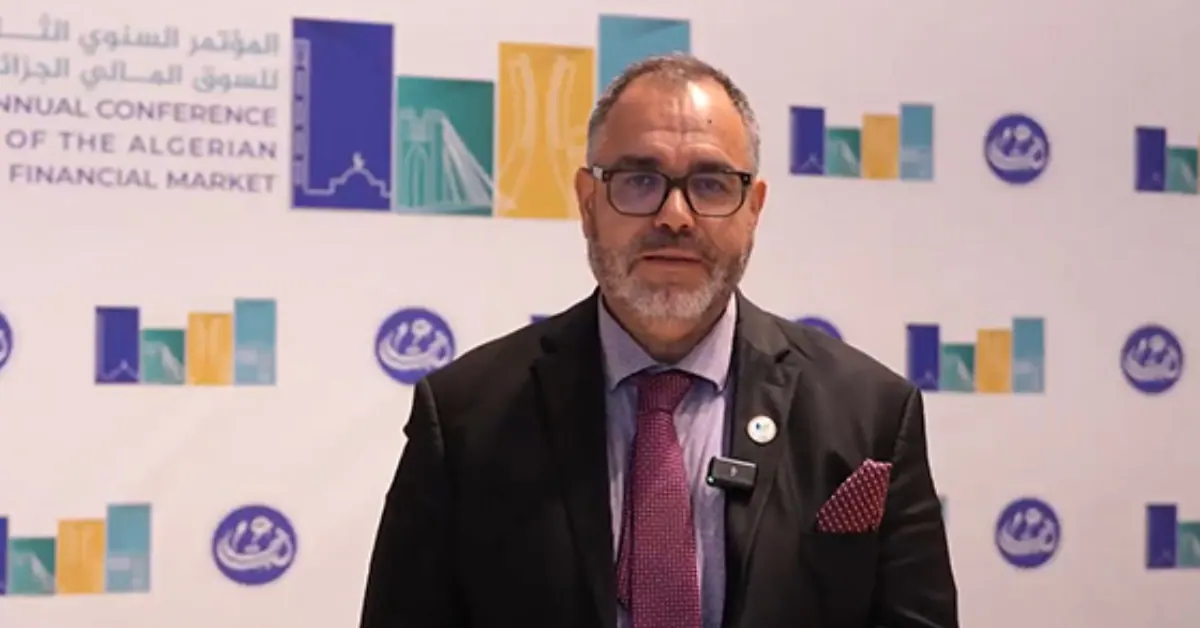
On October 5, 2026, economic expert Mohamed Salah Frad stated that Tunisia represents a vital and important area for intra-trade between Mediterranean countries. He made these remarks on the sidelines of the Mediterranean International Trade Forum in the capital. Frad noted that intra-trade in the Mediterranean region does not exceed 10%, according to his estimates. He emphasized that this low level of trade presents a challenge that requires more work to develop economic relations between regional countries.
Frad highlighted that the Mediterranean International Trade Forum represents an opportunity to explore ways to enhance intra-trade and economic transactions between Mediterranean countries. He cited the region's potential as a driving force behind increased economic activity. The expert stressed that Tunisia's strategic position makes it an ideal location for facilitating economic exchanges and strengthening commercial ties between various regional countries.
According to Frad, the presence of various economic stakeholders, financial institutions, and support institutions at the forum is a significant element that underscores the importance of such meetings. He emphasized the need for such gatherings to result in realistic and actionable programs that address the obstacles hindering the development of intra-trade. Frad identified the complexity and diversity of legislation in Mediterranean countries as a major obstacle to intra-trade growth.
Frad called on economic stakeholders and decision-makers to work together to establish a common ground for simplifying and harmonizing legislation, whenever possible, to serve regional interests and promote economic transactions. He argued that streamlining procedures and facilitating exchanges would enhance the economic impact of intra-trade. This, in turn, would stimulate trade and support investment, creating new opportunities for regional businesses and economic stakeholders.
The economic expert touched on the current state of the global economy, noting that the downturn and rising risks require converting the crisis into an opportunity. He advocated for increased cooperation between neighboring countries and promoting intra-trade and economic transactions within the region. Frad emphasized the importance of unifying the efforts of Mediterranean countries and promoting their economic integration to mitigate risks and enhance the resilience of regional economies to global fluctuations.
The Mediterranean International Trade Forum brought together various stakeholders to discuss ways to boost intra-regional trade. The event provided a platform for experts to share insights and explore opportunities for economic growth. Frad's remarks underscored the need for collaborative efforts to overcome the challenges facing intra-Mediterranean trade. He expressed hope that such initiatives would lead to tangible results and contribute to the region's economic development.
In related news, 30 Tunisian companies are set to explore opportunities in Guinea as part of the "Simandou 2040" program. Meanwhile, the country's traditional industries have seen exports worth approximately 58 million dinars as of August 2026. These developments highlight Tunisia's growing engagement in international trade and its efforts to strengthen economic ties with regional and global partners.
Key points
- Intra-Mediterranean trade currently accounts for around 10% of total trade in the region.
- Tunisia is seen as a vital hub for intra-Mediterranean trade due to its strategic location.
- Complexity and diversity of legislation are major obstacles to intra-trade growth in the Mediterranean region.