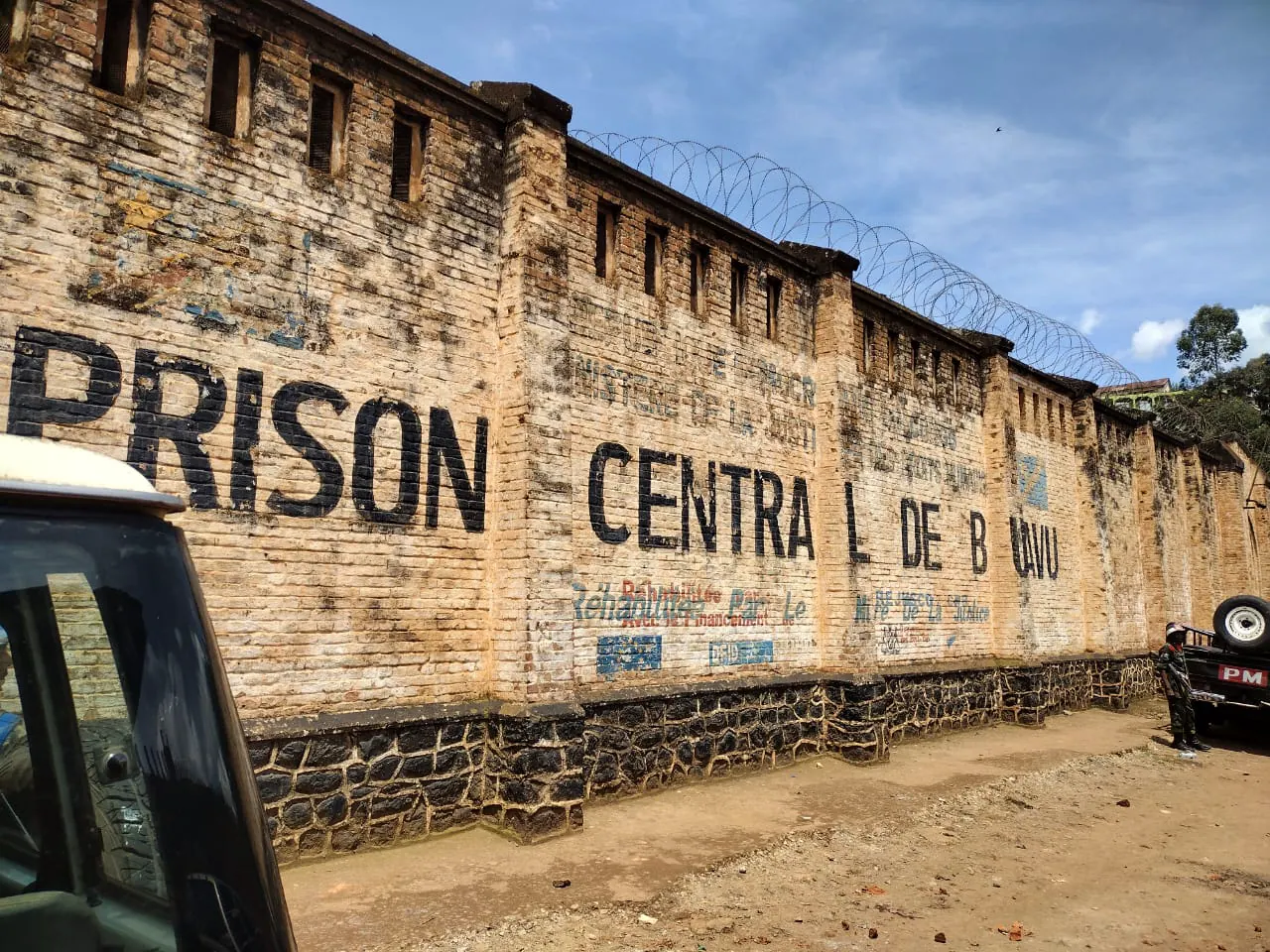
The situation at Mbuji-Mayi central prison in the Democratic Republic of the Congo remains dire, with over 450 inmates living in extremely precarious conditions. The prison was designed to hold approximately 150 people, but it is currently overcrowded, leading to a high risk of disease transmission. The prison's overcrowding, lack of food, and poor sanitation have created an environment conducive to the spread of diseases, particularly tuberculosis.
A recent screening conducted by the provincial coordination of the fight against tuberculosis identified a new case of tuberculosis, bringing the total number of inmates with the disease to over 80. According to program officials, poor nutrition and overcrowding are among the main factors contributing to the spread of the disease. The prison's cells, which lack adequate ventilation systems, often accommodate over 100 people in cramped spaces, facilitating the rapid transmission of respiratory diseases.
The prison's overcrowding is alarmingly high, with more than triple the number of inmates it was designed to hold. This extreme overcrowding leads to promiscuity, lack of aeration, and rapid circulation of diseases. Tuberculosis, which is highly contagious in confined spaces, finds a conducive environment for transmission within the prison. Inmates sleep on the floor and lack the necessary conditions to respect basic hygiene rules, further exacerbating the risk of disease transmission.
The prison's sanitary conditions are also a major concern. The lack of proper waste management leads to the exposure of fecal matter to the air, emitting persistent odors that affect not only the inmates but also the nearby residents. The prison's infirmary is under-equipped, with a limited supply of medicine and medical equipment. Most inmates with tuberculosis already have fragile health due to malnutrition, stress, and poor detention conditions.
The coordination of the fight against tuberculosis has made recommendations to limit the spread of the disease. These include organizing mass and systematic screening of inmates and prison staff, as well as the immediate isolation of confirmed cases. The situation at Mbuji-Mayi central prison highlights the challenges faced by the penitentiary system, which is confronted with chronic overcrowding and poor detention conditions that complicate the provision of healthcare to inmates.
The spread of tuberculosis in the prison is a stark reminder of the need for urgent reforms to address the systemic issues plaguing the Congolese penitentiary system. The situation demands a comprehensive approach that addresses not only the immediate health needs of the inmates but also the root causes of overcrowding and poor sanitation. The government and humanitarian organizations must work together to provide adequate healthcare and living conditions for the inmates.
The situation at Mbuji-Mayi central prison is a microcosm of the broader challenges facing the DR Congo's justice system. The government must prioritize reforms to address the systemic issues driving overcrowding and poor detention conditions. This includes investing in infrastructure, improving access to healthcare, and promoting humane treatment of inmates. By doing so, the government can help mitigate the risks of disease transmission and ensure that inmates receive the dignity and care they deserve.
Key points
- Over 80 inmates have contracted tuberculosis at Mbuji-Mayi central prison due to overcrowding and poor sanitation.