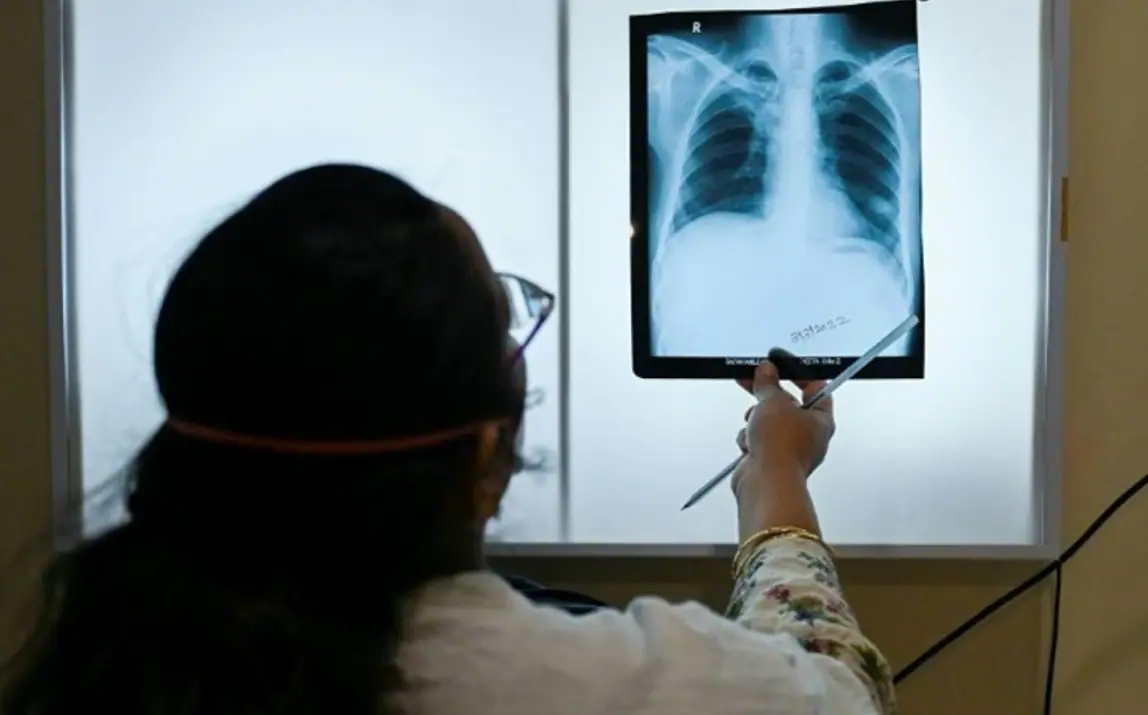
The World Health Organization (WHO) announced that tuberculosis (TB) claimed 1.13 million lives worldwide in 2025, with a 4% decline in deaths from the previous year. Despite this decrease, the WHO emphasized that efforts to combat the disease are not meeting global targets. According to the organization's annual report, 10.6 million people contracted TB in 2025, with 54% being men, 35% women, and 11% children.
The WHO reported that the number of new TB cases has stagnated, with only a 0.7% decrease from the previous year. Furthermore, the decline in new cases since 2015 stands at 14%, far short of the 50% reduction target set for 2025. The organization aims to achieve an 80% reduction in new cases by 2030. However, the number of deaths has decreased by 35% since 2015, meeting the first intermediate target of the global strategy, albeit five years behind schedule.
Tuberculosis is a preventable and curable disease caused by a bacterium that primarily affects the lungs. It is transmitted through the air when infected individuals cough, sneeze, or spit. The disease disproportionately affects a limited number of countries, with 30 countries accounting for 88% of global cases in 2025. India leads the list, responsible for approximately 25% of new cases, followed by Indonesia, the Philippines, China, Pakistan, and Nigeria.
The WHO stressed that progress against TB relies heavily on sufficient funding, which has been dwindling. International contributions to TB prevention, diagnosis, and treatment in low- and middle-income countries reached $6.6 billion in 2025, up from $6 billion in 2024. However, this amount falls short of the $22 billion annual target set for 2027. The five primary risk factors driving the epidemic are malnutrition, HIV infection, diabetes, smoking, and alcohol-related disorders.
In 2025, TB killed 137,000 people living with HIV. A total of 8.4 million people were newly diagnosed with the disease, representing 79% of the estimated 10.6 million cases. This proportion has remained stable since 2023. According to the WHO, treatments administered between 2000 and 2025 have prevented 86 million deaths. The organization's director of the TB department, Tereza Kasaeva, highlighted the importance of continued action to address the remaining gaps in access to prevention, diagnosis, treatment, and care services.
The WHO report emphasizes that the current results demonstrate the potential for progress when commitment translates into concrete actions. However, Kasaeva urged stakeholders not to overlook the millions of people still lacking access to essential services. The organization continues to work towards achieving the global targets, including a 90% reduction in mortality by 2030.
The global response to TB requires sustained efforts to address the remaining challenges. The WHO's report serves as a reminder of the need for continued investment in TB prevention, diagnosis, and treatment, particularly in high-burden countries. By working together, it is possible to accelerate progress and ultimately end the TB epidemic.
Key points
- Tuberculosis killed 1.13 million people in 2025, with progress against the disease still insufficient to meet global targets.
- The global response to TB requires sustained efforts to address the remaining challenges, including a significant funding gap.
- The WHO aims to achieve an 80% reduction in new TB cases by 2030, but current progress is lagging behind schedule.