The Economic Freedom Fighters (EFF) has expressed concerns over the rapid growth of informal settlements in the City of Tshwane. According to the party, the number of informal settlements in the capital has more than doubled since 2020, increasing from 220 to 502 this year. This significant rise has raised questions about the city's ability to provide adequate services and infrastructure to its residents.
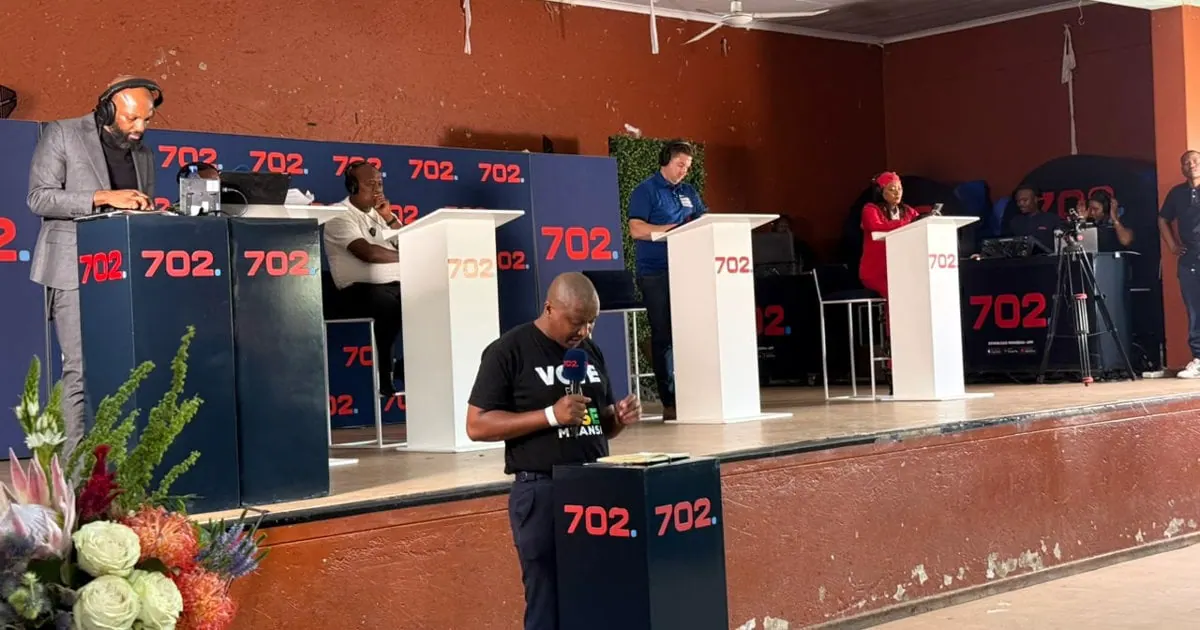
EFF mayoral candidate Omphile Maotwe addressed the issue at 702's mayoral debate on Thursday, emphasizing that the city is struggling to keep up with the growing number of informal settlements. Maotwe highlighted the need for the city to identify available land for relocation and to provide basic services such as sanitation and waste management to residents in these areas.
Residents in some informal settlements have been waiting for relocation for years, with some areas having existed for decades. A Mamelodi resident raised concerns about the conditions in the Nkandla squatter camp, which has been in existence for over ten years. The resident described the toilets as acidic and highlighted the issue of illegal dumping in the area.
In response to the concerns, Maotwe suggested that the city should occupy available land to provide housing for its residents. She emphasized that residents should not be cramped in squatter camps and that the city should take proactive steps to address the issue. However, the city has previously stated that it would require R28 billion to eradicate informal settlements.
The issue of informal settlements is a pressing concern in Tshwane, with many residents lacking access to basic services and infrastructure. The city's inability to keep up with the rapid growth of informal settlements has raised questions about its ability to provide adequate services to its residents. The EFF's concerns are likely to feature prominently in the lead-up to the local government elections.
The City of Tshwane has been facing various challenges, including a recent water contamination issue in Bronkhorstspruit. The city's mayor has ordered a probe into the issue, and the metro has assured residents that tap water in the CBD is safe to drink. However, the issue of informal settlements remains a significant challenge for the city.
The EFF's call for action on informal settlements is likely to resonate with many residents in Tshwane who are affected by the issue. The party's proposal to occupy available land for housing is one possible solution, but it remains to be seen how the city will address the issue in the long term.
Key points
- The number of informal settlements in Tshwane has more than doubled from 220 in 2020 to 502 this year.
- The EFF has called for the city to occupy available land to provide housing for its residents.
- The city has previously stated that it would require R28 billion to eradicate informal settlements.