President Felix Tshisekedi of the Democratic Republic of the Congo has sparked controversy with his recent comments criticizing the country's constitution. On October 24, 2026, Tshisekedi stated before parliamentarians and cadres of the Union sacrée that he does not like the constitution. This statement has been met with mixed reactions from the political class, with many leaders remaining silent or offering muted responses.
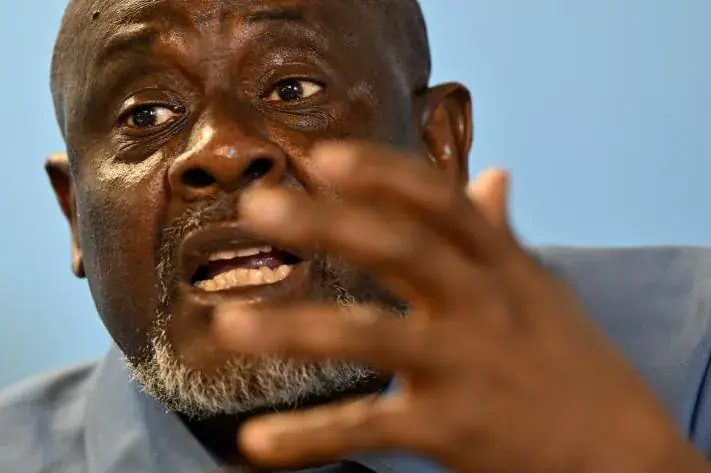
Franck Diongo Shamba, president of the Mouvement Lumumbiste Progressiste, has strongly criticized Tshisekedi's comments, saying that by declaring his dislike for the constitution, he has essentially committed "constitutional hari kiri." Diongo Shamba drew parallels between Tshisekedi's statement and former President Mobutu Sese Seko's 1990 speech, in which he renounced his position as head of the MPR party.
Tshisekedi's comments have also been criticized for being at odds with his oath of office, in which he swore to respect and defend the constitution. Many have questioned how an individual who has sworn to uphold the constitution can now claim to be working against it. The constitution, which was adopted in 2006, provides a framework for the country's governance and protects the republic against personal ambitions.
The controversy surrounding Tshisekedi's comments comes at a time when the country is grappling with security challenges, particularly in the east. Some have argued that changing the constitution could be part of the necessary reforms to address these challenges. However, others have expressed concerns that Tshisekedi's comments could be a ploy to extend his stay in power or undermine the country's democratic institutions.
Article 220 of the constitution protects the number and duration of presidential mandates from revision, a provision that has been seen as a safeguard against the concentration of power. Diongo Shamba and others have called for a national dialogue to address the country's challenges and ensure that the constitution is upheld. They have also urged citizens to come together to defend the country's sovereignty and promote national cohesion.
The reaction to Tshisekedi's comments has been muted, with many leaders seemingly reluctant to speak out against the president. However, some have argued that this silence is a result of fear of the "tontons macoutes," a reference to the feared security forces of former President Mobutu.
As the controversy continues to unfold, many are calling for calm and urging leaders to prioritize the country's interests. The situation remains tense, with the country's future hanging in the balance.
Key points
- Tshisekedi's comments have sparked controversy and raised concerns about his commitment to upholding the constitution.
- The opposition has called for a national dialogue to address the country's challenges and ensure that the constitution is upheld.
- The situation remains tense, with many calling for calm and urging leaders to prioritize the country's interests.